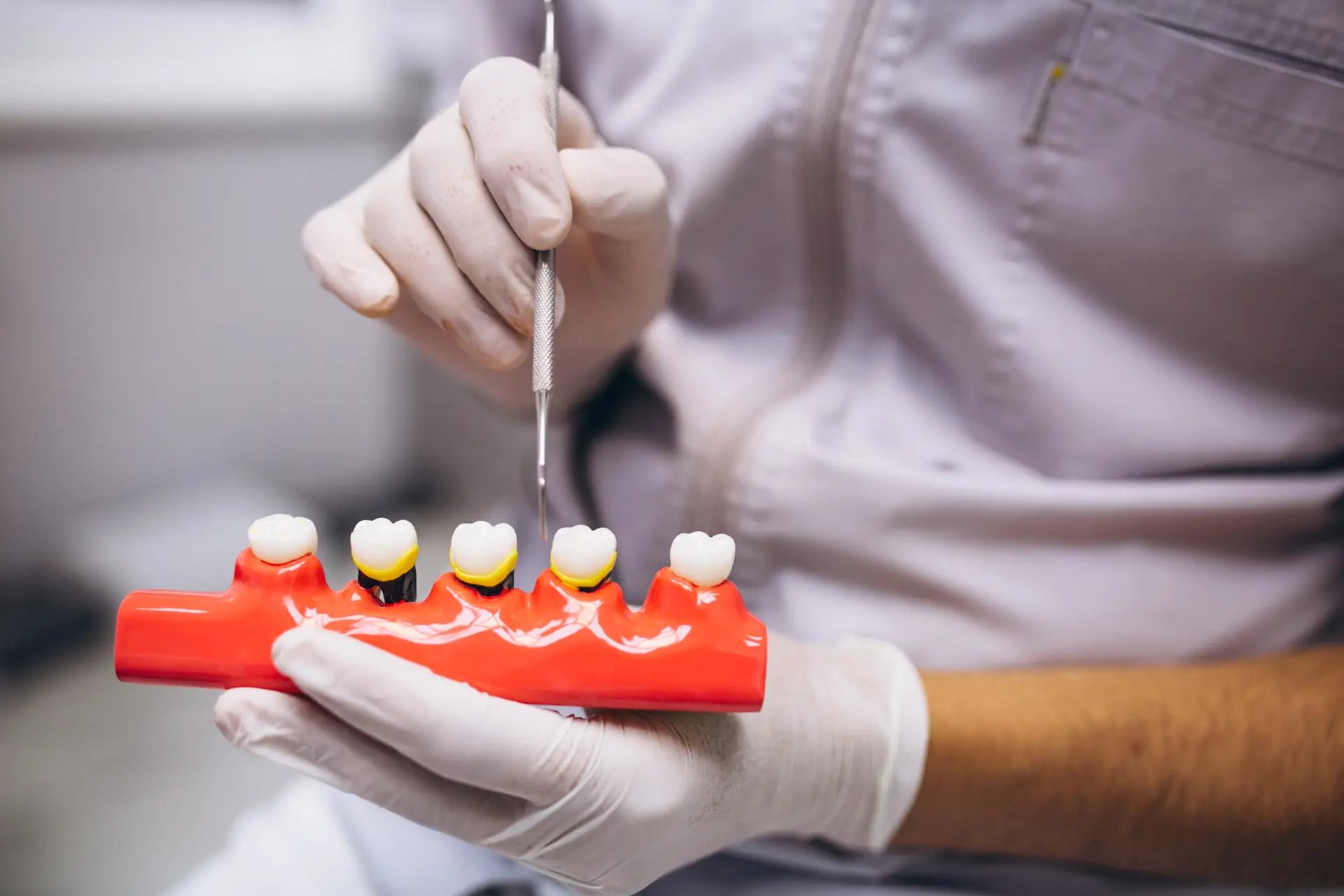
An itchy sensation in the gums may seem like a minor annoyance, but it can sometimes be your body’s way of signaling that something is not quite right.
Many people experience occasional irritation, tingling, or an urge to scratch their gums. While the cause is often harmless, such as mild irritation or allergies, persistent discomfort can indicate an underlying oral health issue that deserves attention.
Healthy gums play a crucial role in protecting your teeth and supporting your overall oral health. Ignoring unusual symptoms may allow minor problems to develop into more serious conditions over time.
If you are experiencing ongoing gum discomfort or other oral health concerns, seeking advice from a trusted dental professional is important.
In this guide, we’ll explore the most common reasons for gum itching, associated symptoms, treatment options, prevention strategies, and when it’s time to schedule a dental appointment.
What Does It Mean When Your Gums Feel Itchy?
An itchy feeling in the gums can occur when the tissues become irritated, inflamed, or sensitive.
Unlike skin, gums cannot truly be scratched. As a result, the sensation often feels frustrating and persistent.
The feeling may affect a small area or the entire gum line. Some individuals describe it as tingling, burning, or a mild crawling sensation around the teeth.
In many cases, the cause is temporary and manageable. However, when itching continues or occurs alongside other symptoms, professional evaluation may be necessary.
Common Causes of Gum Itching
Several factors can contribute to irritated gum tissue.
Understanding the cause is the first step toward finding the right solution.
Plaque and Bacteria Build-Up
One of the most common causes of gum irritation is plaque accumulation.
Plaque is a sticky film of bacteria that forms on teeth throughout the day. If it is not removed through brushing and flossing, it can irritate the gums and trigger inflammation.
Early gum irritation often begins with mild symptoms, including tenderness, redness, and itching.
Over time, untreated plaque can increase the risk of more significant periodontal problems.
Allergic Reactions
Some people develop gum irritation due to allergies.
Common triggers include:
- Certain foods
- Toothpaste ingredients
- Mouthwash products
- Dental materials
- Medications
If symptoms appear shortly after exposure to a new product, an allergic reaction may be a contributing factor.
Healing After Dental Procedures
Itching can sometimes occur during the healing process.
After procedures such as professional cleanings, tooth extractions, or periodontal treatments, the gums may temporarily feel sensitive or irritated as tissues repair themselves.
This sensation typically improves as healing progresses.
Dry Mouth
Saliva helps protect oral tissues from irritation and bacterial growth.
When saliva production decreases, the mouth can become dry, leading to discomfort and sensitivity in the gums.
Common causes of dry mouth include:
- Dehydration
- Certain medications
- Smoking
- Mouth breathing
Hormonal Changes
Hormonal fluctuations can influence gum health.
Some individuals notice increased sensitivity during:
- Pregnancy
- Puberty
- Menopause
- Menstrual cycles
Changes in hormone levels may make gum tissue more reactive to bacteria and plaque.
Early Gum Disease
Persistent itching may sometimes indicate the early stages of gum disease.
When bacteria accumulate along the gum line, the body’s immune response can cause inflammation.
This condition may begin with subtle symptoms before progressing into more serious periodontal concerns.
Can Itchy Gums Be a Sign of Gum Disease?
Yes, in some cases.
Gum disease often begins with a condition known as gingivitis.
During this stage, plaque irritates the gum tissue and triggers inflammation.
Symptoms may include:
- Gum tenderness
- Redness
- Swelling
- Mild bleeding
- Persistent irritation
The good news is that gingivitis is often reversible with proper oral hygiene and professional dental care.
If left untreated, it can progress into more advanced periodontal disease, which may affect the supporting structures around the teeth.
Other Symptoms That May Occur Alongside Gum Irritation
An itchy sensation rarely occurs alone.
Additional symptoms can provide important clues about the underlying cause.
Bleeding Gums
Bleeding while brushing or flossing is one of the most common signs of gum inflammation.
Occasional bleeding may occur due to aggressive brushing, but frequent bleeding should not be ignored.
It often indicates irritation or infection that requires attention.
Swollen or Red Gums
Healthy gums typically appear firm and pink.
Inflamed gums may become swollen, tender, or darker in color.
This response is often caused by bacterial accumulation or irritation.
Persistent Gum Inflammation
When inflammation remains for an extended period, it can signal a more significant oral health concern.
Persistent gum inflammation may increase the risk of tissue damage if left untreated.
Regular dental evaluations can help identify the cause before complications develop.
Bad Breath
Bacteria associated with gum irritation may produce unpleasant odors.
Chronic bad breath that does not improve with brushing and flossing can sometimes indicate an underlying gum problem.
Tooth Sensitivity
Inflamed gums may expose areas of the tooth that are normally protected.
As a result, hot, cold, sweet, or acidic foods can trigger discomfort.
Tooth Root Inflammation
In some cases, infection or irritation can extend deeper into the supporting structures of the tooth.
Tooth root inflammation may cause discomfort, pressure, or increased sensitivity around the affected area.
Prompt evaluation is important when symptoms persist.
Why Does a Tooth Hurt When Gum Problems Are Present?
Many people wonder why a tooth hurts when the issue appears to involve the gums.
The answer often lies in the close relationship between teeth and surrounding tissues.
Inflamed gums can expose sensitive tooth surfaces.
Infections affecting gum tissue may also spread to nearby structures.
Pressure from swollen tissues can further contribute to discomfort.
As a result, gum problems sometimes create symptoms that feel like tooth pain even when the tooth itself is healthy.
A thorough dental examination can determine the true source of discomfort.
How Dentists Diagnose the Underlying Cause
Accurate diagnosis is essential for effective treatment.
A dentist may evaluate:
- Gum appearance
- Plaque accumulation
- Bleeding tendencies
- Pocket depth around teeth
- Signs of infection
- Oral hygiene habits
- Medical history
In some situations, dental X-rays may be recommended to assess structures beneath the gum line.
This comprehensive evaluation helps identify the most appropriate treatment approach.
Effective Treatment Options
Treatment depends on the underlying cause.
Addressing the root issue usually provides the most effective relief.
Professional Dental Cleaning
Professional cleanings remove plaque and tartar that cannot be eliminated through brushing alone.
This is often one of the most effective ways to reduce irritation caused by bacterial build-up.
Patients seeking preventive care often research the best dentist clinic in Pendik to receive comprehensive evaluations, early diagnosis of oral health issues, and personalized treatment recommendations tailored to their individual needs.
Improved Oral Hygiene
Daily oral care remains one of the most important defenses against gum problems.
Effective habits include:
- Brushing twice daily
- Using fluoride toothpaste
- Flossing every day
- Cleaning along the gum line
- Replacing worn toothbrushes regularly
Consistency is key.
Managing Allergies
If allergies are contributing to symptoms, identifying and avoiding triggers may help reduce irritation.
Your dentist may recommend alternative oral care products when appropriate.
Treating Infections
When bacterial infection is present, professional treatment may be required.
Early intervention helps prevent complications and supports long-term oral health.
Addressing Dry Mouth
Increasing hydration and managing underlying causes of dry mouth may help improve comfort.
Some individuals benefit from saliva-stimulating products recommended by dental professionals.
Home Remedies That May Help Relieve Discomfort
While professional care is important when symptoms persist, several simple measures may help reduce temporary irritation.
Rinse With Warm Salt Water
Salt water rinses can help soothe irritated tissues.
Mix a small amount of salt into warm water and rinse gently.
Stay Hydrated
Adequate water intake supports saliva production and overall oral health.
Maintain Gentle Oral Hygiene
Continue brushing and flossing regularly, but avoid excessive force that could worsen irritation.
Avoid Potential Irritants
Spicy foods, tobacco products, and harsh oral care products may aggravate sensitive tissues.
Reducing exposure may provide relief.
How to Prevent Future Gum Problems
Prevention is often easier than treatment.
Healthy habits can significantly reduce the risk of recurring irritation.
Brush Correctly
Use a soft-bristled toothbrush and gentle circular motions.
Aggressive brushing can damage gum tissue over time.
Floss Daily
Flossing removes plaque and food particles from areas that toothbrushes cannot easily reach.
Schedule Regular Dental Visits
Routine examinations allow dental professionals to identify concerns before they become more serious.
Follow a Balanced Diet
Nutrient-rich foods support healthy gums and overall oral health.
Avoid Tobacco Products
Smoking and tobacco use can negatively affect gum health and healing.
When Should You See a Dentist?
Occasional mild irritation may resolve on its own.
However, professional evaluation is recommended if you experience:
- Symptoms lasting longer than two weeks
- Persistent bleeding
- Significant swelling
- Severe pain
- Tooth mobility
- Pus around the gums
- Ongoing bad breath
- Signs of infection
Early diagnosis often leads to simpler and more effective treatment.
Conclusion
An itchy sensation in the gums may seem harmless, but it should not be ignored when it becomes persistent or is accompanied by other symptoms.
Common causes range from plaque accumulation and allergies to dry mouth and early gum disease.
Recognizing warning signs such as bleeding gums, persistent gum inflammation, tooth sensitivity, or tooth root inflammation can help you seek care before complications develop.
Maintaining good oral hygiene, staying hydrated, and attending regular dental checkups remain the most effective ways to protect your gums and overall oral health.
If symptoms continue despite home care, consulting a qualified dental professional is the best way to identify the underlying cause and receive appropriate treatment.