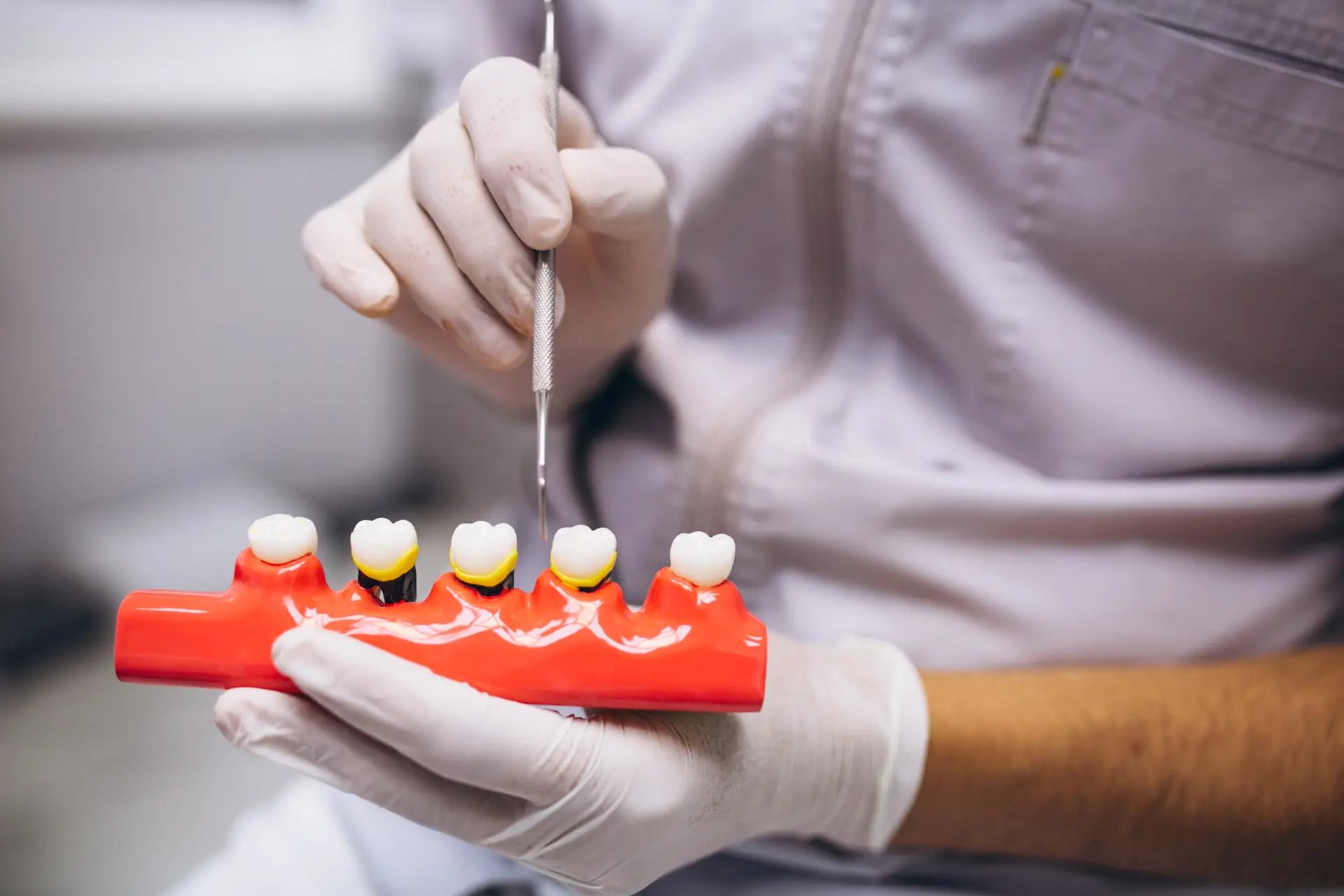
A tooth may look healthy on the surface while a problem develops deep below the gum line. One common issue that can affect the inner structures of a tooth is tooth root inflammation.
This condition can cause discomfort, sensitivity, swelling, and even serious dental complications if left untreated. Because the roots of your teeth are hidden beneath the gums and jawbone, many people do not realize there is a problem until symptoms become difficult to ignore.
Understanding the warning signs and causes can help you seek treatment before the condition worsens.
In this guide, you will learn what happens when a tooth root becomes inflamed, why it occurs, how dentists treat it, and what you can do to reduce your risk in the future.
What Is Tooth Root Inflammation?
Tooth root inflammation occurs when the tissues surrounding the root of a tooth become irritated or infected.
The root is the portion of the tooth located beneath the gums. It anchors the tooth securely within the jawbone and contains pathways that connect the tooth’s inner tissues to the surrounding structures.
When bacteria, injury, or irritation affect this area, the body’s immune response triggers inflammation. This can lead to pain, swelling, sensitivity, and damage to nearby tissues.
Quick Answer
Tooth root inflammation is a condition in which the tissues around a tooth’s root become irritated or infected, often causing pain, swelling, sensitivity, and discomfort while chewing.
Common Symptoms of Tooth Root Inflammation
The symptoms can vary depending on the severity and cause of the inflammation.
Some people experience mild discomfort, while others develop intense pain that interferes with daily activities.
Common signs include:
- Persistent toothache
- Pain when biting or chewing
- Sensitivity to hot or cold foods
- Swollen or tender gums
- Redness around the affected tooth
- A feeling of pressure inside the tooth
- Swelling in the face or jaw
- Bad taste in the mouth
- Persistent bad breath
- Tooth discoloration
In some cases, symptoms may come and go. This can create a false impression that the problem has resolved itself when the underlying condition is still present.
What Causes Tooth Root Inflammation?
Several dental problems can trigger inflammation around the root of a tooth.
Deep Tooth Decay
Cavities that are left untreated can gradually extend deeper into the tooth.
When bacteria reach the inner pulp, infection and irritation may spread toward the root area, causing inflammation.
Gum Disease
Advanced gum disease can damage the tissues and bone that support the teeth.
As bacteria accumulate beneath the gum line, the structures surrounding the root can become inflamed and infected.
Dental Trauma
A fall, sports injury, or accident can damage a tooth even if there are no visible cracks.
The impact may affect the nerve and tissues around the root, leading to inflammation over time.
Cracked or Fractured Teeth
Tiny cracks can allow bacteria to enter deeper layers of the tooth.
This bacterial invasion may eventually reach the root area and trigger an inflammatory response.
Failed Dental Restorations
Old fillings, crowns, or other restorations can sometimes develop gaps.
These openings may allow bacteria to enter and affect the internal structures of the tooth.
Tooth Grinding
Chronic grinding or clenching places excessive pressure on teeth.
Over time, this stress can irritate the tissues surrounding the roots and contribute to inflammation.
Risk Factors That Increase the Chances of Root Problems
Certain factors make some individuals more vulnerable than others.
These include:
- Poor oral hygiene
- Smoking and tobacco use
- Frequent consumption of sugary foods and drinks
- Untreated cavities
- Advanced gum disease
- Dry mouth
- Previous dental injuries
- Infrequent dental checkups
- Teeth grinding habits
Reducing these risk factors can help lower the likelihood of future dental complications.
How Dentists Diagnose Tooth Root Inflammation
Accurate diagnosis is essential because many dental conditions can cause similar symptoms.
A dentist will usually begin with a detailed examination of your teeth and gums.
Clinical Examination
The dentist may check for:
- Swelling
- Gum tenderness
- Tooth mobility
- Signs of decay
- Visible cracks
Dental X-rays
X-rays allow dentists to view structures hidden beneath the gums.
These images can reveal:
- Bone loss
- Infection around the root
- Deep cavities
- Hidden fractures
Sensitivity Testing
Special tests may be used to determine whether the tooth’s nerve is healthy or damaged.
Combining these methods helps identify the source of the problem and determine the most suitable treatment plan.
Treatment Options for Tooth Root Inflammation
Treatment depends on the cause and severity of the condition.
Root Canal Treatment
A root canal is often recommended when infection has reached the inner pulp of the tooth.
During the procedure:
- The infected tissue is removed.
- The root canals are cleaned and disinfected.
- The space is sealed.
- A restoration is placed to protect the tooth.
This treatment can eliminate infection while preserving the natural tooth.
Treatment for Gum Disease
If gum disease is contributing to the inflammation, professional cleaning procedures may be required.
These treatments remove plaque, tartar, and bacteria from below the gum line.
Dental Crowns
When a tooth is weakened by decay or cracks, a crown may be used to restore strength and function.
Bite Adjustment
If grinding or bite problems are causing excessive pressure, the dentist may recommend bite correction or a custom night guard.
Tooth Extraction
In severe cases where the tooth cannot be saved, extraction may be the safest option.
The dentist can then discuss suitable tooth replacement solutions.
Can Tooth Root Inflammation Heal on Its Own?
Many people hope the discomfort will disappear without treatment.
Unfortunately, true inflammation involving infection rarely resolves completely on its own.
Symptoms may temporarily improve, but the underlying cause often remains.
Without professional care, the condition can continue to progress and may eventually lead to more serious complications.
Seeking dental evaluation early provides the best opportunity to preserve the affected tooth and avoid extensive treatment.
What Happens If It Is Left Untreated?
Ignoring symptoms can allow inflammation to spread beyond the tooth itself.
Potential complications include:
Dental Abscess
An abscess is a pocket of infection that develops around the root.
It can cause severe pain, swelling, and drainage of pus.
Bone Loss
Chronic inflammation may gradually damage the jawbone supporting the tooth.
Tooth Loss
As surrounding structures weaken, the tooth may eventually become loose and require removal.
Spread of Infection
In some situations, infection can extend into nearby tissues and create more serious health concerns.
Early intervention significantly reduces these risks.
Home Care Tips During Recovery
Professional treatment addresses the underlying cause, but good home care supports healing.
Helpful practices include:
- Brush twice daily with fluoride toothpaste
- Floss every day
- Use an antibacterial mouth rinse if recommended
- Avoid extremely hot or cold foods when sensitivity is present
- Drink plenty of water
- Limit sugary snacks and beverages
- Follow all instructions provided by your dentist
Consistency plays an important role in maintaining oral health after treatment.
How to Prevent Tooth Root Inflammation
While not every case can be prevented, many can be avoided through proper dental care habits.
Brush Properly
Brush your teeth at least twice each day using a soft-bristled toothbrush and fluoride toothpaste.
Floss Daily
Flossing removes plaque and food particles from areas your toothbrush cannot reach.
Schedule Regular Dental Visits
Routine examinations allow dentists to identify problems before they become serious.
Many patients visit the Airport Dent a Pendik Private Dental Clinic for preventive care and professional evaluations that help maintain long-term oral health.
Wear Protective Equipment
Use a mouthguard during contact sports to reduce the risk of dental injuries.
Address Dental Problems Early
Small cavities and minor gum issues are often easier to treat before they affect deeper structures.
When Should You See a Dentist?
You should schedule a dental appointment if you experience:
- Persistent tooth pain
- Swelling around a tooth
- Pain while chewing
- Gum tenderness
- Unexplained sensitivity
- A bad taste that does not go away
- Facial swelling
Frequently Asked Questions
Is tooth root inflammation always caused by infection?
No. While infection is a common cause, inflammation may also result from trauma, excessive biting pressure, or tooth grinding.
Can antibiotics cure tooth root inflammation?
Antibiotics may help control bacterial infection in some cases, but they often do not eliminate the source of the problem. Additional dental treatment may still be necessary.
Is tooth root inflammation painful?
Many people experience pain, but symptoms vary. Some cases produce mild discomfort while others cause severe throbbing pain.
Can a tooth with root inflammation be saved?
In many situations, yes. Early diagnosis and appropriate treatment can often preserve the natural tooth.
How long does recovery take?
Recovery time depends on the cause, severity, and treatment performed. Your dentist can provide a more accurate timeline based on your specific situation.
Conclusion
Tooth root inflammation is a common dental problem that should never be ignored. Whether it develops because of decay, gum disease, injury, or excessive pressure on the teeth, early attention can help prevent more serious complications.
Recognizing symptoms such as pain, swelling, sensitivity, and discomfort while chewing allows you to seek care before lasting damage occurs.
Regular dental checkups, good oral hygiene habits, and prompt treatment of dental issues remain the most effective ways to protect your teeth and gums.
By taking action early, you can improve your chances of preserving your natural teeth and maintaining a healthy, confident smile for years to come.