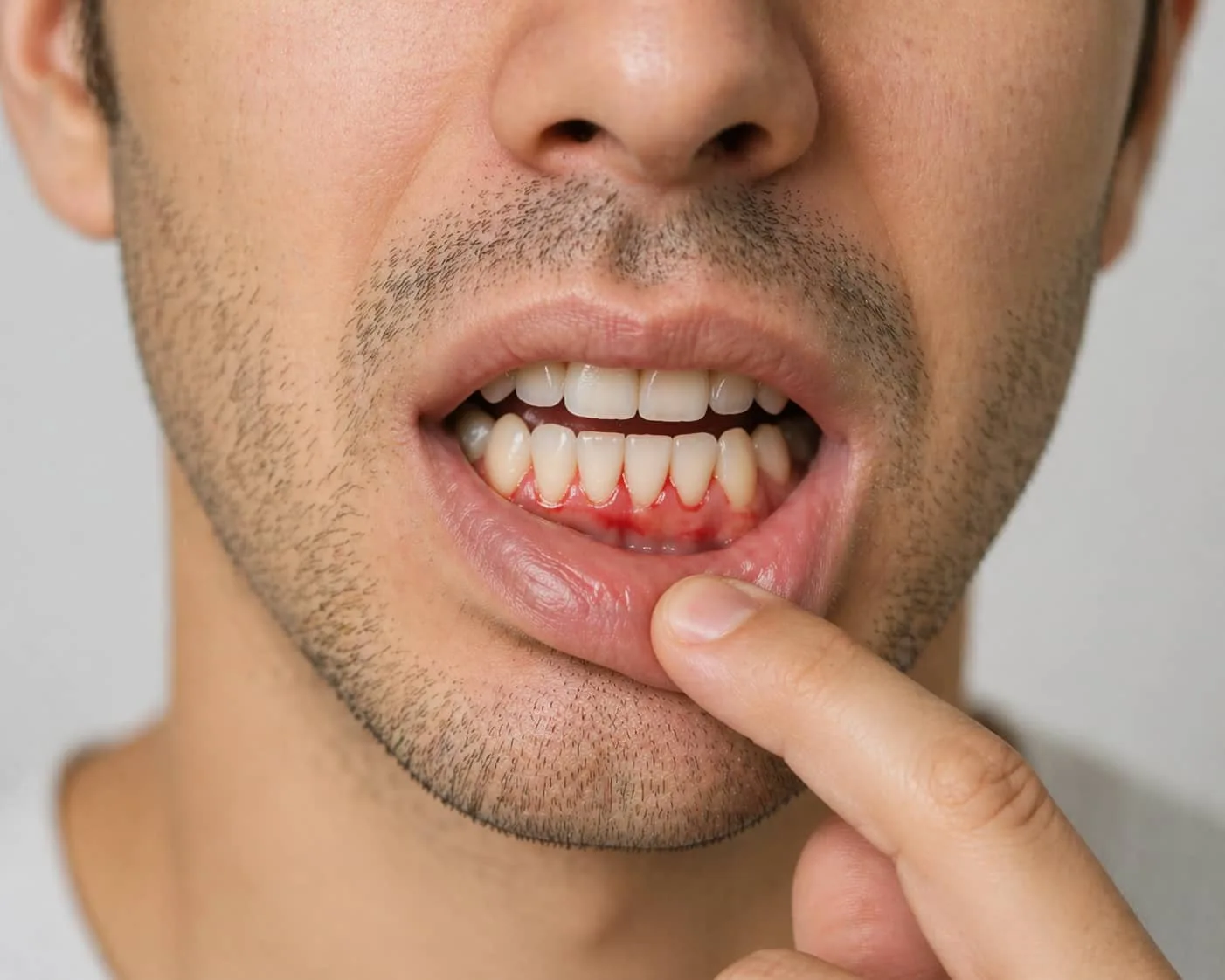
Noticing blood when you brush or floss your teeth can feel alarming.
Many people ignore it at first, thinking it is not a big problem. But this early sign can point to issues that need attention.
Healthy gums should not bleed during daily oral care. If they do, it is often your body telling you something is wrong.
In this guide, you will learn what causes this condition, how to treat it, and what simple steps you can take to protect your oral health.
If you are looking for trusted dental care, you can explore services at Airport Dent to learn more about professional support.
What Are Bleeding Gums?
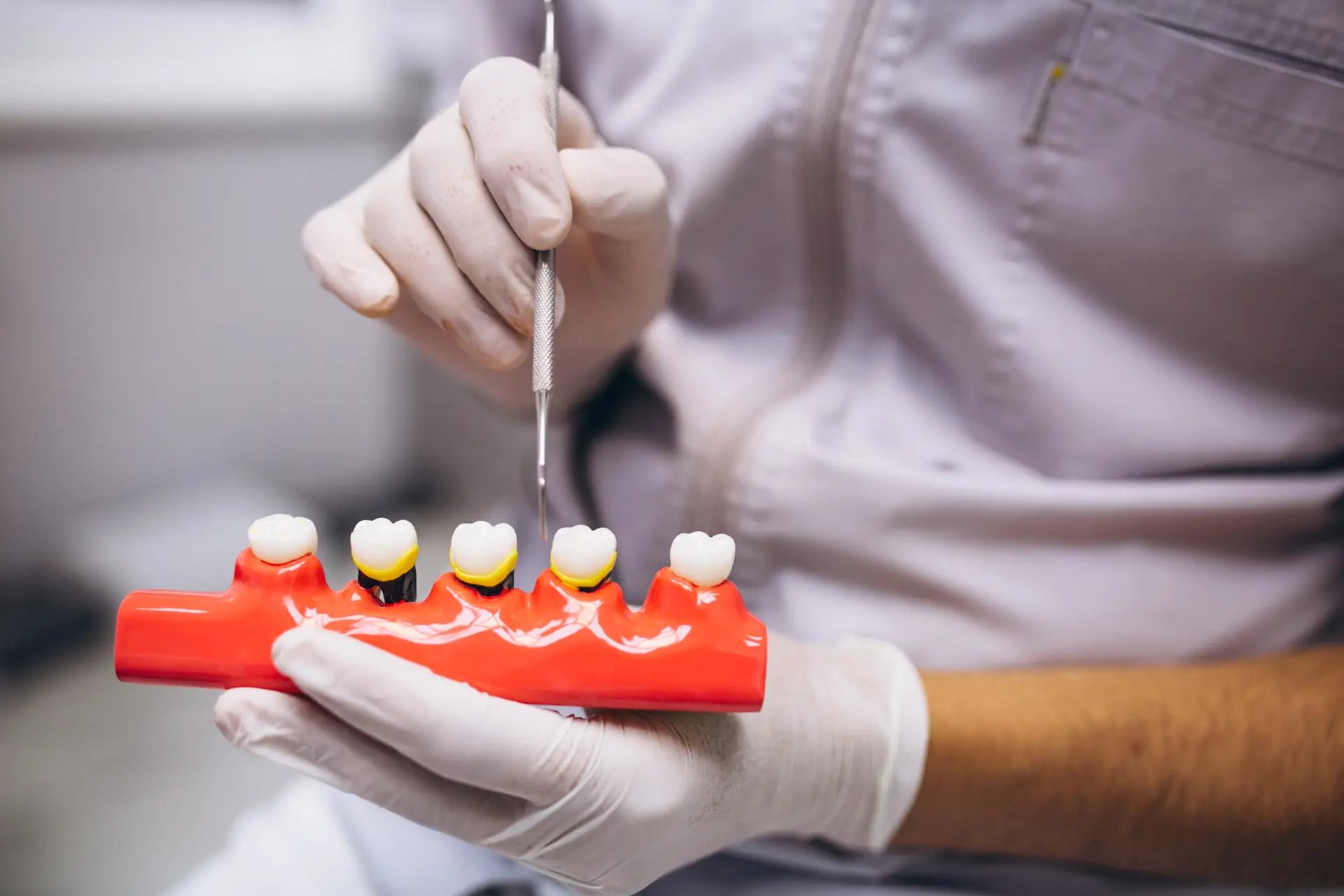
Bleeding gums happen when the soft tissue around your teeth becomes irritated or inflamed.
This can occur during brushing, flossing, or even when eating hard foods.
In many cases, it is one of the first signs of gum disease. However, it can also result from daily habits or temporary conditions.
Quick Answer for Featured Snippet
Bleeding gums are usually caused by plaque buildup, gum disease, or improper oral hygiene. They can be treated with better brushing, flossing, and professional dental care.
Common Causes of Bleeding Gums
Understanding the cause is the first step to solving the problem.
1. Plaque Buildup
Plaque is a sticky layer of bacteria that forms on your teeth.
If it is not removed, it irritates the gums and causes inflammation.
Over time, this can lead to gum disease and frequent bleeding.
2. Gingivitis
Gingivitis is the early stage of gum disease.
It causes redness, swelling, and bleeding during brushing or flossing.
The good news is that it can be reversed with proper care.
3. Poor Brushing Technique
Brushing too hard or using a hard toothbrush can damage your gums.
Gentle brushing with a soft toothbrush is always the better choice.
4. Lack of Flossing
When you skip flossing, food particles stay between your teeth.
This leads to plaque buildup and gum irritation.
5. Vitamin Deficiency
Low levels of vitamin C and vitamin K can affect gum health.
These nutrients help keep your gums strong and healthy.
6. Hormonal Changes
Hormonal shifts during pregnancy or puberty can make gums more sensitive.
This increases the chance of bleeding.
7. Smoking
Smoking weakens your immune system.
This makes it harder for your gums to heal and fight infection.
Signs You Should Not Ignore
Bleeding is not the only symptom to watch for.
Look out for these warning signs:
- Red or swollen gums
- Bad breath that does not go away
- Receding gums
- Loose teeth
If you notice any of these, it is best to seek help from a dental professional.
You can explore treatments under general dentistry to find the right care.
How to Treat Bleeding Gums
Treatment depends on the cause, but most cases can improve with simple steps.
Improve Your Oral Hygiene
Brush your teeth twice a day using a soft toothbrush.
Make sure to clean along the gum line gently.
Start Flossing Daily
Flossing removes plaque where your toothbrush cannot reach.
It may cause slight bleeding at first, but this usually improves in a few days.
Use an Antibacterial Mouthwash
A good mouthwash can help reduce bacteria and support healing.
Visit a Dentist
Professional cleaning removes hardened plaque called tartar.
Visiting a trusted provider like Pendik Private Dental Clinic allows your dentist to check for early signs of gum disease and keep your oral health on track.
Stay Hydrated
Drinking enough water helps wash away food particles and bacteria.
Home Remedies That Can Help
Some simple home care methods can support gum health.
Salt Water Rinse
Rinsing with warm salt water can reduce inflammation.
Cold Compress
Applying a cold compress can help reduce swelling and discomfort.
Healthy Diet
Eating fruits and vegetables rich in vitamins supports your gums.
How to Prevent Bleeding Gums
Prevention is always easier than treatment.
Maintain Daily Oral Care
Brush and floss regularly to keep plaque under control.
Choose the Right Tools
Use a soft-bristle toothbrush and replace it every three months.
Eat a Balanced Diet
Include foods rich in vitamins and minerals.
Avoid Smoking
Quitting smoking improves your gum health and overall well-being.
Schedule Regular Checkups
Routine dental visits help detect problems early.
When to See a Dentist
If bleeding continues for more than a week, it is time to seek professional care.
You should also visit a dentist if you experience pain, swelling, or loose teeth.
Early treatment can prevent serious problems.
Practical Tips for Healthier Gums
- Brush gently for two minutes
- Floss once a day
- Drink plenty of water
- Eat fresh fruits and vegetables
- Avoid sugary snacks
These simple habits can make a big difference over time.
Conclusion
Bleeding gums are a common issue, but they should never be ignored.
They often signal early gum problems that can be treated with the right care.
By improving your daily routine and visiting a dentist regularly, you can protect your smile and prevent future issues.
Taking action early is the best way to keep your gums healthy and strong.
If you are unsure about your symptoms, professional advice is always the safest choice.