Missing or damaged teeth can affect more than just your smile.
They can make it hard to eat, speak, and feel confident in daily life.
This is where dental prosthesis comes in.
A dental prosthesis helps replace missing teeth and restore normal function. It also improves appearance and supports overall oral health.
At Airport Dent, patients can explore modern solutions that bring comfort and natural-looking results.
In this guide, we will explain everything in simple terms so you can make informed decisions.
What Is a Dental Prosthesis?
A dental prosthesis is an artificial replacement for missing or damaged teeth.
It is designed to restore both function and appearance.
These restorations are custom-made to fit your mouth and match your natural teeth.
They can be fixed in place or removable, depending on your needs.
Why Do People Need a Dental Prosthesis?
There are many reasons why someone may need it.
Tooth loss is one of the most common reasons.
This can happen due to decay, injury, or gum disease.
Some people also need prosthetic solutions when teeth are severely worn or broken.
Here are some common situations:
Tooth Loss Due to Decay
When cavities are not treated in time, they can damage the tooth beyond repair.
In such cases, replacement becomes necessary.
Gum Disease
Advanced gum problems can weaken the support of teeth, leading to tooth loss.
Injury or Trauma
Accidents can cause teeth to break or fall out completely.
Aging
Over time, teeth can wear down or become weak, requiring support or replacement.
Types of Dental Prosthesis
There are several types available.
Each type is designed for a specific condition.
Dental Crowns
Crowns are caps placed over damaged teeth.
They restore shape, strength, and appearance.
They are often used when a tooth is cracked or weakened.
Dental Bridges
Bridges fill the gap created by one or more missing teeth.
They are supported by nearby natural teeth or implants.
Dentures
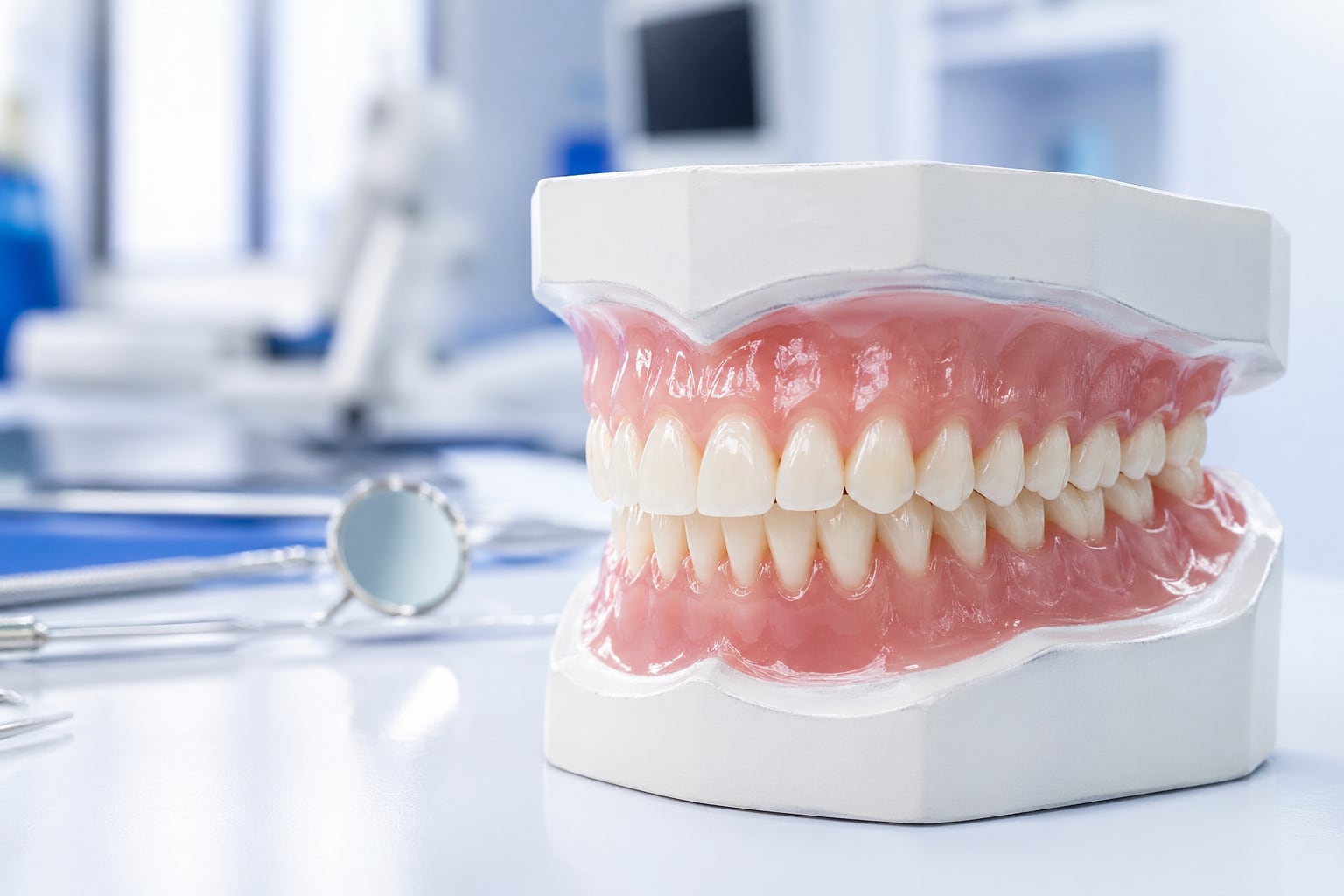
Dentures are removable appliances used to replace multiple missing teeth.
They can be full or partial.
Full dentures replace all teeth, while partial dentures replace only a few.
Dental Implants
Implants are a long-term solution.
They involve placing a titanium post into the jawbone.
A crown is then attached to it, creating a natural-looking tooth.
Dental implants are considered one of the most durable forms of dental prosthesis.
Fixed vs Removable Dental Prosthesis
Understanding the difference between fixed and removable options is important.
Fixed Options
These include crowns, bridges, and implants.
They stay in place and cannot be removed by the patient.
They feel more like natural teeth.
Removable Options
These include dentures.
They can be taken out for cleaning.
They are often more affordable and suitable for multiple missing teeth.
Benefits of Dental Prosthesis
Choosing a dental prosthesis offers many benefits.
Improved Appearance
A complete smile boosts confidence and self-esteem.
Better Chewing Ability
You can eat a wider range of foods comfortably.
Clear Speech
Missing teeth can affect how you speak.
Replacement helps restore clear pronunciation.
Support for Facial Structure
Teeth help maintain the shape of your face.
Replacing them prevents a sunken appearance.
Improved Oral Health
Filling gaps prevents nearby teeth from shifting.
The Procedure: What to Expect
The process of getting a dental prosthesis may vary based on the type.
However, most treatments follow similar steps.
Consultation
Your dentist will examine your teeth and gums.
They may take X-rays or digital scans.
Treatment Planning
A personalized plan is created based on your needs.
Preparation
This may involve shaping teeth or placing implants.
Fitting
The prosthesis is carefully fitted to ensure comfort and function.
Follow Up
Regular checkups help ensure long-term success.
How to Care for Your Dental Prosthesis
Proper care is essential to keep your dental prosthesis in good condition.
Daily Cleaning
Brush and clean your prosthetic teeth just like natural teeth.
Regular Dental Visits
Routine checkups help detect issues early.
Avoid Hard Foods
Hard foods can damage prosthetic materials.
Use Proper Cleaning Products
Follow your dentist’s advice on cleaning solutions.
Common Problems and How to Avoid Them
Even though dental prosthesis is highly effective, some issues may occur.
Discomfort
This may happen if the fit is not perfect.
Regular adjustments can solve this.
Gum Irritation
Poor hygiene can lead to irritation.
Keeping your mouth clean helps prevent this.
Damage or Wear
Over time, prosthetic teeth may wear down.
Regular checkups help maintain them.
Who Is a Good Candidate?
Most people with missing or damaged teeth can benefit from dental prosthesis.
However, good oral health is important before starting treatment.
Healthy gums and sufficient bone support are key factors.
Your dentist will evaluate your condition to decide the best option.
Dental Prosthesis and Overall Oral Health
Replacing missing teeth is not just about looks.
It plays a major role in maintaining oral health.
Gaps in the mouth can lead to shifting teeth, bite problems, and jaw issues.
Dental prosthesis helps prevent these complications.
Practical Tips Before Choosing a Dental Prosthesis
Making the right choice requires careful thought.
Here are some useful tips:
Understand Your Options
Learn about different types and their benefits.
Discuss with Your Dentist
Professional advice helps you choose the best solution.
Consider Long Term Care
Think about maintenance and durability.
Maintain Good Oral Hygiene
Healthy habits improve treatment success.
Conclusion
A dental prosthesis is a reliable way to restore your smile and improve your quality of life.
It helps you eat, speak, and feel confident again.
With modern advancements, treatments are more comfortable and natural looking than ever before.
By understanding your options and taking proper care, you can enjoy long lasting results.
If you are considering treatment, consulting with a qualified dental professional is the best first step toward a healthier smile.