Losing teeth can feel overwhelming.
It can affect how you eat, how you speak, and even how confident you feel when you smile.
But the good news is that modern dentistry offers reliable solutions to restore both function and appearance.
One of the most common and effective options is dentures.
If you have ever wondered what dentures are, how they work, and whether they are right for you, this guide will walk you through everything in simple terms.
At the same time, if you are looking for professional dental care and guidance, you can explore trusted services at Airport Dent.
What Are Dentures? Simple Explanation That Makes It Easy to Understand
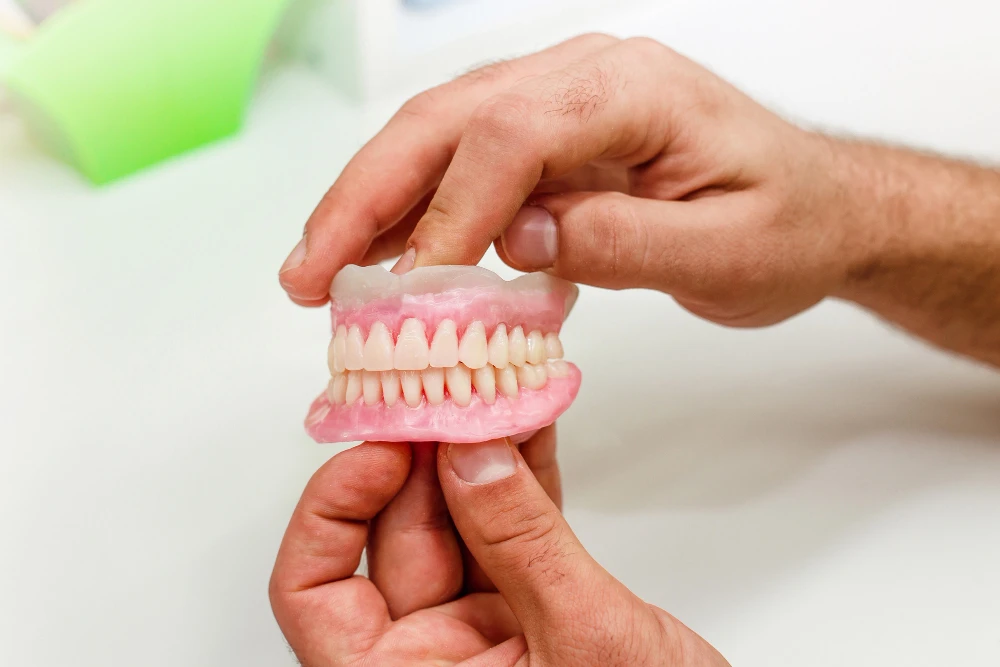
Dentures are removable dental appliances designed to replace missing teeth and surrounding tissues.
They are custom-made to fit your mouth and help restore your ability to eat, speak, and smile with confidence.
Dentures are usually made from materials like acrylic, resin, or metal. They are shaped to look like natural teeth and gums.
In simple words, dentures act as artificial teeth that sit comfortably in your mouth and restore normal function.
Why Do People Need Dentures?
People may need dentures for several reasons.
Tooth loss can happen due to decay, gum disease, injury, or aging.
When teeth are missing, it can lead to several problems, such as:
- Difficulty chewing food
- Changes in speech
- Shifting of remaining teeth
- Loss of facial shape
- Reduced confidence
Dentures help solve these problems by filling the gaps and supporting the structure of your face.
Types of Dentures
There are different types of dentures available depending on your needs.
Understanding each type can help you make the right decision.
Full Dentures
Full dentures are used when all teeth in the upper or lower jaw are missing.
They rest directly on the gums and are designed to fit snugly.
There are two main types of full dentures:
- Conventional dentures: These are made after the gums have healed following tooth removal.
- Immediate dentures: These are placed right after the teeth are removed.
Full dentures help restore complete function and improve facial appearance.
Partial Dentures
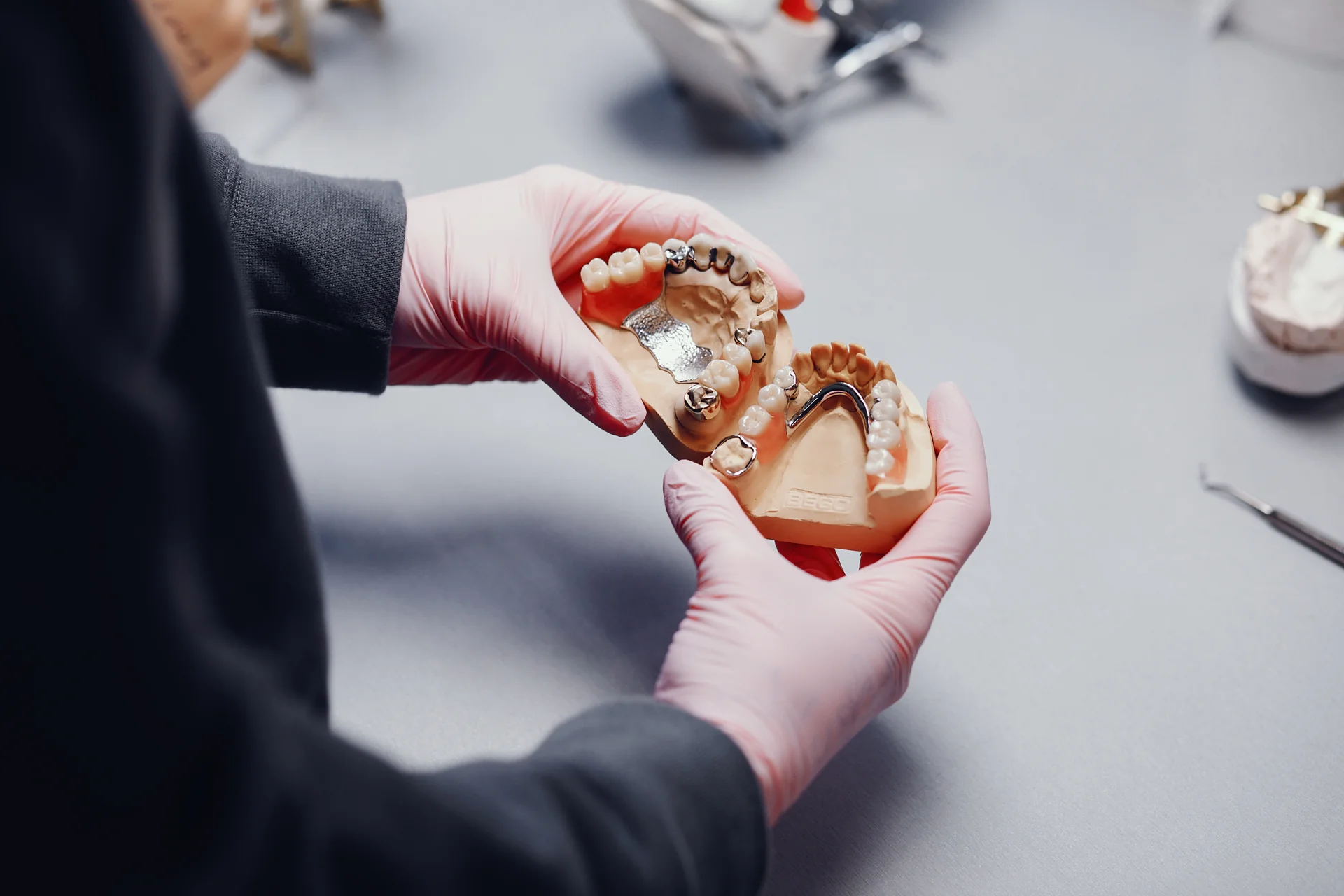
Partial dentures are used when some natural teeth are still present.
They consist of replacement teeth attached to a metal or plastic base.
Partial dentures are often secured using clasps that attach to your natural teeth.
They help prevent remaining teeth from shifting and improve chewing ability.
Implant-Supported Dentures
These dentures are supported by dental implants placed in the jawbone.
They offer better stability compared to traditional dentures.
Implant-supported dentures do not slip or move easily, making them more comfortable for many patients.
They are a great option for people looking for a more secure solution.
Flexible Dentures
Flexible dentures are made from soft materials instead of rigid acrylic.
They are lightweight and more comfortable to wear.
They also adapt better to the shape of your mouth.
Flexible dentures are often used for partial replacements.
Benefits of Dentures
Dentures offer many advantages for people with missing teeth.
Here are some of the main benefits:
Restore Your Smile
Dentures help bring back a natural-looking smile.
They are designed to match the shape and color of real teeth.
Improve Eating Ability
With dentures, you can chew food more easily.
This allows you to enjoy a wider range of foods and maintain better nutrition.
Support Facial Structure
Missing teeth can cause the face to appear sunken.
Dentures help support the cheeks and lips, giving a fuller and healthier appearance.
Boost Confidence
A complete smile can improve your self-esteem.
Dentures help you feel more confident in social situations.
Affordable Tooth Replacement Option
Compared to some other treatments, dentures are often more accessible.
They provide a practical solution for many people.
Are Dentures Comfortable?
It is normal to feel some discomfort when you first start wearing dentures.
Your mouth needs time to adjust to the new appliance.
You may notice:
- Slight soreness
- Increased saliva
- Minor difficulty speaking
These issues usually improve within a few weeks.
Proper fitting and adjustments by your dentist can make dentures more comfortable.
How Do Dentures Stay in Place?
Dentures stay in place using a combination of suction, muscle control, and sometimes adhesives.
Upper dentures often rely on suction from the roof of the mouth.
Lower dentures may need additional support because they sit on a smaller area.
In some cases, dental adhesives are used to improve stability.
Implant-supported dentures provide the strongest hold.
How to Care for Dentures
Proper care is essential to keep your dentures clean and long-lasting.
Here are some simple tips:
Clean Them Daily
Remove your dentures and clean them every day.
Use a soft brush and a denture cleaner.
Avoid regular toothpaste as it can be too harsh.
Soak Overnight
Dentures need to stay moist to keep their shape.
Soak them in water or a special solution overnight.
Handle with Care
Dentures can break if dropped.
Always clean them over a soft surface or a sink filled with water.
Maintain Oral Hygiene
Even if you wear dentures, you should still clean your gums, tongue, and any remaining teeth.
This helps prevent infections and bad breath.
Visit Your Dentist Regularly
Regular checkups are important to ensure your dentures fit well.
Your dentist can make adjustments if needed.
How Long Do Dentures Last?
Dentures are durable but not permanent.
They usually last between 5 to 10 years.
Over time, your mouth changes shape, which can affect the fit.
You may need adjustments, relining, or replacement.
Common Problems with Dentures
While dentures are helpful, some users may face challenges.
These can include:
- Loose fit over time
- Gum irritation
- Difficulty eating certain foods
- Speech changes
Most of these issues can be managed with proper care and dental support.
Tips for First-Time Denture Wearers
If you are new to dentures, these tips can help:
Start with Soft Foods
Eat soft foods at first while your mouth adjusts.
Gradually return to your normal diet.
Practice Speaking
You may need time to adjust your speech.
Practice reading out loud to improve clarity.
Wear Them Regularly
Consistent use helps your mouth adapt faster.
Be Patient
Adjustment takes time.
Do not get discouraged during the early days.
Dentures vs Other Tooth Replacement Options
Dentures are not the only solution for missing teeth.
Other options include dental implants and bridges.
Dentures are removable, while implants and bridges are fixed.
Each option has its own advantages.
Your dentist can help you choose what suits your needs best.
When Should You Consider Dentures?
You may consider dentures if:
- You have multiple missing teeth
- Your remaining teeth are weak or damaged
- You want to improve your smile and function
A dental consultation can help determine the right treatment plan.
Final Thoughts
Dentures are a trusted and effective way to replace missing teeth.
They help restore function, improve appearance, and boost confidence.
Modern dentures are more comfortable and natural-looking than ever before.
With proper care and regular dental visits, they can serve you well for many years.
If you are thinking about dentures, speaking with a dental professional is the best first step.
Taking action today can help you enjoy a healthier and more confident smile tomorrow.