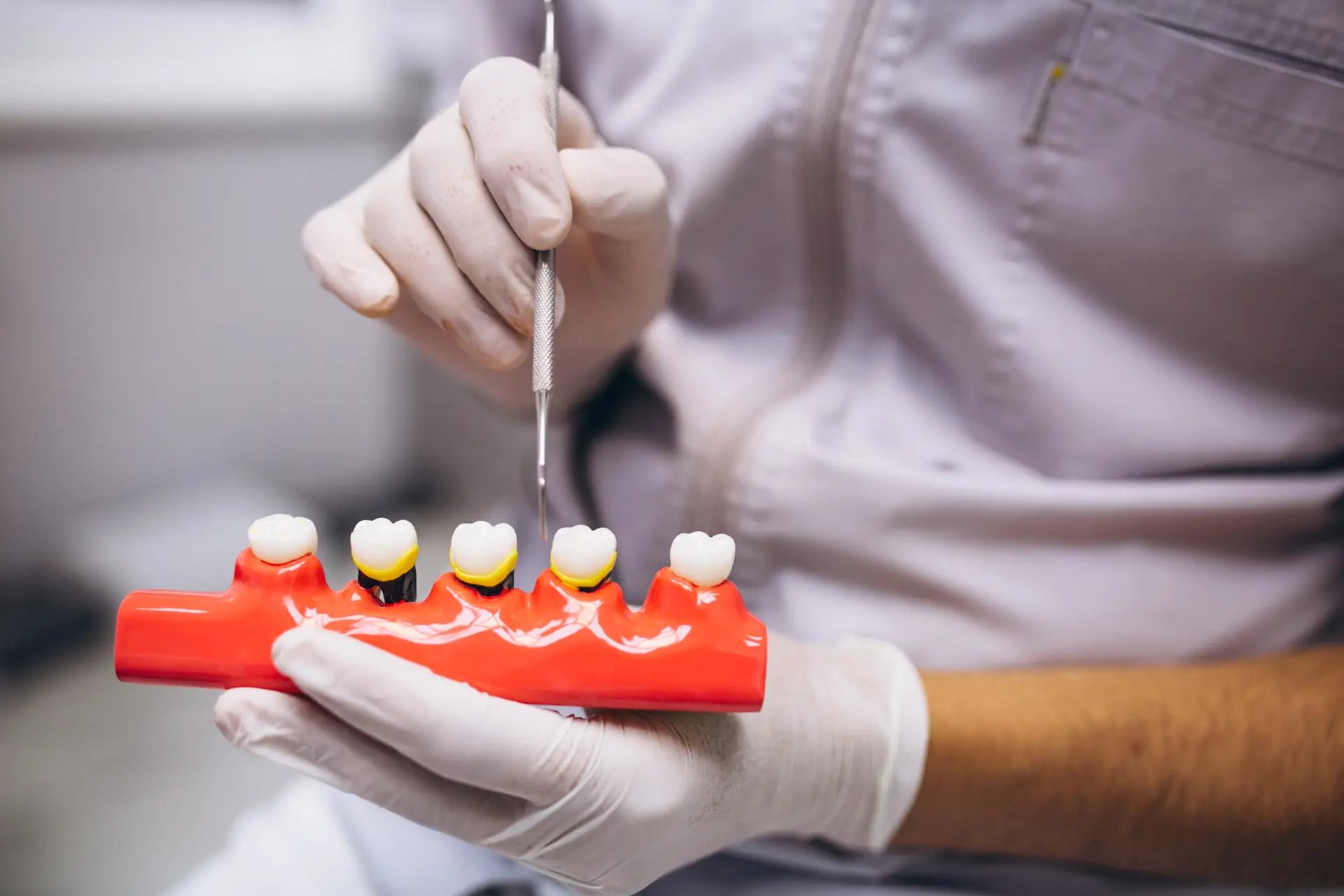
Bone loss around the teeth can develop gradually, sometimes without causing noticeable pain in its early stages. Many people only become aware of a problem when they notice gum recession, loose teeth, or discomfort while chewing.
The most common dental cause is periodontitis, a serious form of periodontal disease that can damage the gums, periodontal ligament, and alveolar bone supporting the teeth. Early evaluation can help identify changes before it’s too late.
If you notice persistent changes in your gums or teeth, it may be one of the signs of bone loss in teeth. An evaluation by a trusted dental team, such as Airport Dent, can help determine whether you need further periodontal assessment.
What Is Bone Loss Around the Teeth?
The alveolar bone is the part of the jawbone that surrounds and supports your teeth. Together with the gingiva, periodontal ligament, and cementum, it forms the periodontium, which helps anchor each tooth securely.
Alveolar bone loss occurs when this supporting bone is gradually destroyed or resorbed. Periodontitis is a major cause because persistent inflammation associated with periodontal disease can damage the tissues and bone around affected teeth.
The process often begins with dental plaque, a bacterial biofilm that forms on teeth. Plaque can harden into dental calculus, commonly called tartar. Calculus can contribute to persistent inflammation and periodontal disease.
Signs of Bone Loss in Teeth
Bone loss cannot always be seen by looking in a mirror. However, several changes can indicate that the tissues supporting your teeth need professional evaluation.
1. Loose or Shifting Teeth
Tooth mobility can be an important warning sign of advanced periodontal damage. Teeth are stabilized by the periodontal ligament and surrounding alveolar bone.
When supporting tissues are destroyed, a tooth may begin to feel loose or shift position. Spaces between teeth may also appear or become more noticeable.
However, loose teeth can also result from trauma and excessive biting forces. A dental examination is therefore necessary to determine the underlying problem.
2. Receding Gums
Gingival recession occurs when gum tissue pulls away from the tooth, exposing more of the tooth. It can expose part of the tooth root and may cause increased sensitivity.
Recession does not mean that bone loss is present. It can have several causes, but when it occurs alongside bleeding gums, periodontal pockets, or tooth mobility, periodontal disease should be considered.
3. Red, Swollen, or Bleeding Gums
Healthy gums should not routinely bleed during normal brushing or flossing. Redness, swelling, tenderness, and bleeding can indicate gingival inflammation.
Gingivitis is an early form of gum disease that does not involve the loss of bone or connective tissue supporting the teeth.
Periodontitis differs in that inflammation can extend deeper, leading to destruction of periodontal tissues and alveolar bone.
4. Deep Periodontal Pockets
Periodontal pockets are spaces that develop between the gums and teeth when supporting tissues become damaged.
During periodontal probing, a dentist or dental hygienist uses a small measuring instrument to determine pocket depth.
Deeper pockets can be a sign of periodontal disease and may indicate that bacteria and plaque are accumulating below the gumline.
5. Pain or Difficulty Chewing
Bone loss itself does not always cause significant pain. However, advanced periodontal disease can be associated with pain, tenderness, difficulty chewing, and tooth mobility.
If chewing suddenly feels uncomfortable, it is important not to assume that bone loss is the cause. Problems such as decay, cracks, or fractures can also produce discomfort.
Understanding common causes of tooth fracture can help you recognize why a professional examination is important when chewing becomes painful.
6. Persistent Bad Breath
Persistent bad breath, or halitosis, can occur when bacteria accumulate around the teeth and gums.
Bad breath by itself does not confirm bone loss. But when it occurs with gum bleeding, swelling, recession, deep pockets, or loose teeth, it can be a reason to arrange a dental evaluation.
7. Changes Seen on Dental X-Rays
Some cases of bone loss are difficult to identify through a visual examination alone. Dental X-rays can help reveal changes in the bone supporting the teeth.
Dental professionals may compare radiographs over time to evaluate changes in the alveolar bone and determine the extent of periodontal destruction.
What Causes Bone Loss Around Teeth?
Periodontitis is one of the most important causes of alveolar bone loss. The disease involves a complex interaction between bacterial biofilm and the body’s inflammatory response.
As plaque accumulates, the oral microbiota can become imbalanced. Certain periodontal bacteria contribute to inflammation that damages the tissues supporting the teeth.
The body’s immune response also plays an important role in the destruction of periodontal tissue and bone.
Risk factors can include:
- Smoking or tobacco use
- Diabetes mellitus
- Poor plaque control
- Genetic susceptibility
- Previous periodontal disease
- Certain systemic conditions
Smoking is a major risk factor for periodontal disease, while people with diabetes have a higher risk of developing gum disease and may experience slower healing.
How Is Bone Loss Diagnosed?
A dentist does not diagnose bone loss based on symptoms alone. Several clinical findings are considered together.
Periodontal Probing
Periodontal probing measures the depth of spaces around the teeth. A dentist may also assess bleeding on probing, gum recession, tooth mobility, and clinical attachment loss.
Clinical attachment loss provides important information about the amount of supporting tissue lost around a tooth.
Periodontal findings are considered alongside radiographic evidence when evaluating periodontitis.
Dental X-Rays
Dental X-rays can show changes in the alveolar bone that may not be visible during a routine examination.
Dentists may use intraoral radiography or other imaging techniques. Radiographs can help identify the location and extent of bone loss and support decisions about periodontal treatment.
Periodontitis can also be classified through staging and grading systems that consider factors such as severity, complexity, extent of bone loss, progression risk, smoking, and diabetes.
Can Bone Loss Around Teeth Be Treated?
Treatment depends on the severity of periodontal disease, the condition of the affected teeth, and the type of bone defect present.
Initial treatment may focus on controlling the bacterial infection and removing plaque, biofilm, and calculus. Scaling and root planing can be used to clean affected tooth surfaces.
More advanced cases may require periodontal surgery. These treatments include procedures designed to reduce periodontal pockets or regenerative approaches such as guided tissue regeneration and bone grafting.
Bone grafting uses graft material to help support bone regeneration in selected areas. Guided tissue regeneration can use a barrier membrane to help create conditions that support regeneration of periodontal tissues.
If a tooth cannot be preserved and is eventually lost, dental implants may be considered as a restorative option. The amount and quality of available bone are important considerations when planning implant treatment.
How Can You Help Prevent Further Bone Loss?
Good daily oral hygiene is one of the most important ways to control dental plaque and support periodontal health.
Helpful habits include:
- Brush twice daily with fluoride toothpaste.
- Clean between your teeth regularly with floss or an appropriate interdental cleaner.
- Attend routine dental examinations and professional cleanings.
- Avoid smoking and tobacco products.
- Manage diabetes with appropriate medical care.
- Follow your dentist’s recommended periodontal maintenance schedule.
People who have experienced periodontitis may require ongoing periodontal maintenance because controlling the disease requires continued attention to plaque and inflammation.
If tooth decay has also affected the tooth’s structure, restorative treatment may be recommended when appropriate. For example, a Pendik dental filling may be used to restore a tooth affected by decay, depending on the extent of damage.
Frequently Asked Questions
Can you have bone loss around the teeth without pain?
Yes. Periodontal bone loss can develop without obvious pain, particularly in the early stages. This is why regular dental examinations can be important even when your teeth do not hurt.
What is the biggest warning sign of bone loss?
Loose or increasingly mobile teeth can be a significant warning sign because tooth stability depends on healthy supporting tissues and alveolar bone.
Can dental X-rays show bone loss?
Yes. Dental X-rays can show changes in the bone supporting teeth that may not be visible during a visual examination. They are used together with periodontal measurements and other clinical findings.
Can lost bone around teeth grow back?
Certain periodontal regenerative procedures may help regenerate lost supporting tissue and bone in carefully selected cases.
The potential for regeneration depends on factors such as the location and shape of the bone defect, as well as the patient’s age and periodontal health.
Does gum recession always mean bone loss?
No. Gum recession can occur for several reasons and does not automatically indicate alveolar bone loss. A dental professional can assess the gums, periodontal tissues, and supporting bone to determine what is happening.
Key Takeaways
- Alveolar bone provides important support for the teeth.
- Periodontitis is a major cause of bone loss around teeth.
- Loose teeth, gum recession, bleeding, deep periodontal pockets, and chewing problems can be warning signs.
- Bone loss may develop without noticeable pain.
- Periodontal probing and dental X-rays help identify changes in supporting tissues and bone.
- Smoking and diabetes can increase periodontal disease risk.
- Treatment may include scaling and root planing, periodontal surgery, bone grafting, or regenerative procedures depending on the case.
- Consistent oral hygiene and professional periodontal care can help control gum disease and protect the tissues supporting your teeth.
Conclusion
Recognizing possible signs of bone loss in teeth can help you seek appropriate dental care before periodontal problems become more advanced.
Loose teeth, persistent gum bleeding, recession, deep periodontal pockets, changes in chewing, and abnormal findings on dental X-rays all deserve professional attention.
These symptoms do not automatically indicate bone loss. Several dental conditions can produce similar changes, which is why an accurate diagnosis requires a combination of clinical examination, periodontal measurements, and appropriate imaging.
At Airport Dent, transparent communication and compassionate care can help patients understand their oral health, discuss appropriate treatment options, and feel more confident about their dental decisions.
Early professional evaluation can be an important step toward protecting the tissues that support your teeth and maintaining a healthy smile.