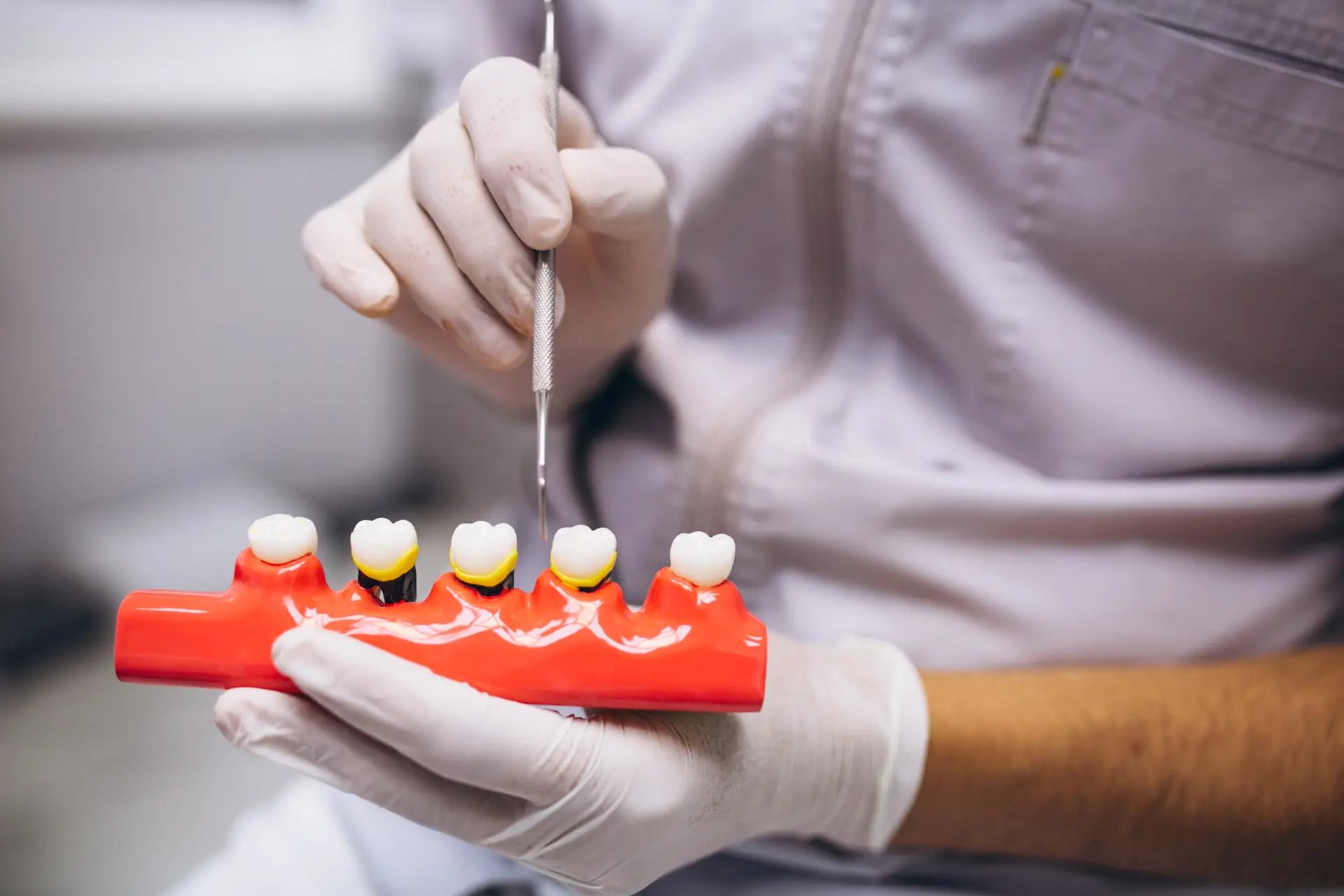
Seeing a swollen area on the gums can be concerning, even without pain. Painless gum swelling does not always indicate a harmless condition.
Certain oral diseases, especially gum disease, can progress without obvious discomfort before more severe symptoms develop.
Swelling can be localized to a single tooth or extend across a broader region of the gums. Common causes include dental plaque, gingivitis, periodontitis, gum irritation, tooth decay, wisdom teeth, and localized dental infections.
Understanding the underlying causes of gum swelling can help you determine whether home care is sufficient or whether a professional dental evaluation is warranted.
For those seeking expert advice, additional information about the Pendik Kurtköy dental clinic and its patient-centered approach to oral health assessment is available.
What Causes Painless Gum Swelling?
Several conditions can cause swollen gum tissue without significant pain. The appearance, location, duration, and other symptoms can offer useful clues, but only a dental examination can confidently determine the underlying cause.
Gingivitis and Dental Plaque
One of the most common causes is gingivitis, the early stage of gum disease.
Dental plaque is a sticky film containing bacteria that continuously forms on teeth. When plaque is not removed effectively, it can irritate the gingiva, causing inflammation, redness, swelling, and bleeding.
Gingivitis may be painless, which means a person can have noticeable gum changes without feeling that anything is wrong. The condition is generally manageable when identified early and supported by effective oral hygiene.
Periodontitis
If gum inflammation worsens, it can develop into periodontitis, a more serious gum disease. The gums may pull away from the teeth, forming pockets where plaque and bacteria can build up.
Over time, periodontitis can harm the tissues and bone that support your teeth. Watch for swollen or bleeding gums, receding gums, persistent bad breath, and loose teeth.
Periodontal disease can be painless, so do not ignore it just because it does not hurt.
Dental Calculus or Tartar
If plaque stays on your teeth, it can harden into dental calculus, also known as tartar. Unlike soft plaque, tartar cannot be removed with regular brushing.
Tartar near the gums can continue to cause irritation and gingivitis. If you have hardened deposits, your dentist may recommend a professional cleaning.
Gum Irritation
Swelling in one spot can sometimes occur due to irritation or a minor injury. Brushing too hard, food stuck between your teeth, or irritation from dental devices can affect your gums.
Watch the swelling and avoid further irritation. If the swelling does not go away or gets worse, see a dentist.
Wisdom Teeth and Pericoronitis
When a wisdom tooth only partly comes in or is stuck, it can be hard to clean the area. This lets bacteria build up, and the gum around the tooth can become inflamed, a condition called pericoronitis.
Swelling near a wisdom tooth can happen with or without pain. Your dentist may examine the area and use dental X-rays to assess the tooth’s position and surrounding structures.
Can a Dental Abscess Cause Swelling Without Pain?
Yes. A gum abscess, periodontal abscess, or tooth infection can sometimes show up as swelling in one spot. An abscess may have pus and can form around the gum or near the tooth root.
Tooth decay can spread deeper and cause a dental infection or an abscess at the tooth root. Abscesses often hurt, but symptoms can vary, so a lack of pain does not mean there is no infection.
Signs that make an infection more concerning include:
- A localized lump or swelling
- Pus or drainage
- Bad taste in the mouth
- Persistent bad breath
- Tooth sensitivity
- Fever or feeling unwell
- Increasing facial or jaw swelling
- A loose or increasingly mobile tooth
A dentist should check for any dental infection. Antibiotics are not always the right treatment for every dental swelling.
The American Dental Association (ADA) says dental treatment should come first for most local dental problems, and antibiotics are usually reserved for cases with other health concerns.
How Is Painless Gum Swelling Diagnosed?
A dentist usually starts by looking at your gums and teeth. They check for plaque, tartar, bleeding, gums pulling back, deep pockets, tooth decay, pus, and any changes around your teeth.
A dental X-ray might be needed if the swelling could be linked to a tooth root, an impacted wisdom tooth, bone changes, or something else that cannot be seen just by looking.
Your dentist may also measure the spaces between your teeth and gums to check the health of the tissues that support your teeth. This helps them decide whether it’s mild gum inflammation or if you need more advanced treatment.
How Is Swollen Gum Tissue Treated?
The right treatment depends on what is causing the swelling, not just the swelling itself.
If plaque causes gingivitis, a professional dental cleaning and better oral hygiene may be enough. Brush every day with fluoride toothpaste and clean between your teeth with floss or another suitable tool to help control plaque.
If you have periodontitis, you may need more advanced gum care.
Scaling and root planing is a deep cleaning that removes plaque and tartar below the gum line and smooths the tooth roots. This is often needed when pockets are too deep for regular cleaning to be effective.
If the infection starts inside a tooth, you might need a root canal or another procedure to remove the infection. Sometimes, if the tooth cannot be saved, it may need to be taken out.
If you have a dental emergency involving significant swelling, infection, or a tooth that cannot be saved, you may need urgent treatment. If you are considering it, you can learn more about emergency tooth extraction.
What Can You Do at Home?
Good oral hygiene matters, but if swelling doesn’t go away, see a dentist rather than relying solely on home care.
Helpful habits include:
- Brush twice a day gently with fluoride toothpaste.
- Clean between your teeth every day.
- Avoid aggressive brushing around swollen tissue.
- Keep the area clean, and carefully remove trapped food.
- Follow professional recommendations for mouthwash if one is advised.
- Avoid smoking and tobacco products.
- Attend regular dental examinations and professional cleanings.
If your swollen gums also have recession, it helps to know how inflammation and exposed tooth surfaces are connected. Our guide to gum recession provides additional information about this condition.
When Should You See a Dentist?
Book a dental appointment if the swelling doesn’t improve, keeps coming back, or happens with bleeding gums, bad breath, gum recession, sensitive teeth, or loose teeth.
Get urgent dental care if the swelling is getting bigger or spreading, especially if you also have a fever, feel sick, have trouble swallowing or breathing, or notice swelling in your face. Swelling that spreads in your mouth or face needs quick attention.
A painless lump that persists should also be evaluated, not ignored. Early assessment can help identify the cause before a potentially manageable problem becomes more complicated.
Frequently Asked Questions
Is painless gum swelling normal?
Mild swelling can sometimes result from temporary irritation, but persistent swelling should not be ignored. Gum disease can be painless, so professional assessment may be appropriate if the change continues.
Can gingivitis cause painless swelling?
Yes. Gingivitis can cause swollen, inflamed gums without much pain. Plaque buildup is a major cause, and effective oral hygiene can help control early gum inflammation.
Can a gum abscess be painless?
An abscess may initially cause only a few symptoms, although pain and tenderness are common. A dentist should assess swelling, pus, bad taste, or a localized lump.
Does painless swelling mean there is no infection?
No. Pain is only one possible symptom. Dental and periodontal infections can present differently from person to person, so you should have persistent swelling evaluated.
Can swollen gums go away on their own?
Temporary irritation may settle after you remove the cause, but swelling from gum disease, calculus, an abscess, tooth decay, or an impacted wisdom tooth generally requires appropriate dental management.
Key Takeaways
- Painless gum swelling can be caused by gingivitis, periodontitis, plaque, tartar, irritation, wisdom teeth, or dental infection.
- Gum disease can progress with little or no pain, so regular dental exams are important.
- Dental calculus requires professional removal because ordinary brushing cannot effectively eliminate hardened deposits.
- Persistent swelling, pus, bleeding, bad breath, loose teeth, or gum recession should be evaluated by a professional.
- Treatment depends on the underlying cause and may range from professional cleaning to periodontal treatment, root canal treatment, or extraction.
- Good oral hygiene helps reduce plaque and supports healthier gums.
Conclusion
Painless gum swelling is easy to overlook because you may not feel enough discomfort to seek care.
However, swelling can be an early sign of gingivitis, periodontal disease, irritation, an impacted wisdom tooth, or a dental infection.
Watch for changes in your gums, maintain consistent oral hygiene, and schedule a dental exam if swelling persists or is accompanied by other warning signs.
At Airport Dent, transparent communication, compassionate care, and careful diagnosis help patients understand their options and make confident decisions about their oral health.