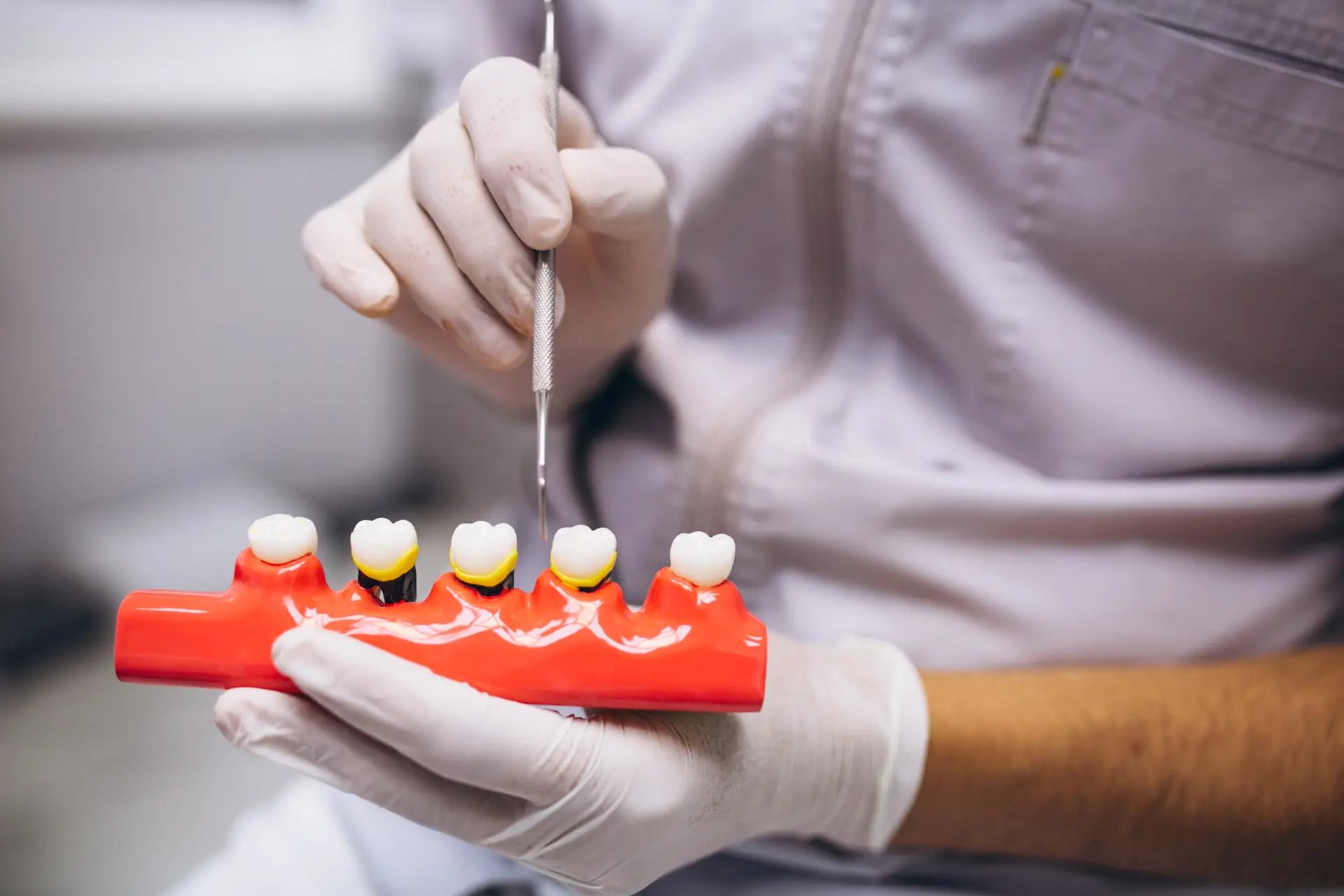
A healthy, well-aligned smile is about more than appearance. Properly positioned teeth can make it easier to chew, speak clearly, and maintain good oral hygiene.
If your teeth are crowded, spaced too far apart, or your bite does not feel comfortable, orthodontic treatment may help improve both function and confidence.
Many people think braces are only for teenagers. In reality, children, teens, and adults can all benefit from orthodontic care when it is recommended by an experienced orthodontist.
Modern treatment options are also more comfortable and discreet than ever before, giving patients greater flexibility to choose a solution that suits their lifestyle.
Choosing the right dental team starts with understanding your treatment options. If you are comparing dental clinics in Kurtköy before scheduling an orthodontic consultation, knowing what to expect can help you move forward with confidence.
At Airport Dent, we combine modern dentistry with clear communication and compassionate care to ensure every patient feels informed and comfortable.
What Is Orthodontic Treatment?
Orthodontic treatment is a specialized area of dentistry that focuses on correcting the position of the teeth, bite, and jaws. The goal is to create a balanced occlusion, improve oral function, and support long-term dental health.
An orthodontist uses carefully planned techniques to move teeth gradually into healthier positions. Gentle, controlled pressure allows the surrounding bone to adapt safely during treatment.
Orthodontic care may address conditions such as
- Crowding
- Spacing between teeth
- Diastema
- Overbite
- Underbite
- Crossbite
- Open bite
- Misaligned dental arches
- Jaw alignment concerns
Every smile is different, which is why a personalized treatment plan is essential for achieving the best possible outcome.
Why Proper Teeth Alignment Matters
Straight teeth offer benefits that extend well beyond aesthetics.
When teeth fit together correctly, everyday activities become easier and more comfortable.
Benefits of proper teeth alignment include:
- Easier brushing and flossing
- Reduced plaque accumulation
- Lower risk of gingivitis
- Improved chewing efficiency
- Better speech in certain cases
- More balanced bite forces
- Reduced wear on tooth surfaces
- Improved smile confidence
Crowded teeth can make cleaning difficult, increasing the chance of dental plaque buildup and enamel demineralization over time. Proper alignment helps patients maintain healthier gums and teeth with regular oral hygiene habits.
Who May Benefit From Orthodontic Treatment?
Orthodontic treatment is suitable for many age groups. While many patients begin treatment during childhood or adolescence, adults are increasingly choosing orthodontic care as well.
Common reasons people seek treatment include:
Children
Early evaluation allows an orthodontist to monitor the development of the maxilla, mandible, and mixed dentition.
Some children may benefit from interceptive treatment using appliances such as a palatal expander or a space maintainer to guide proper jaw growth and preserve space for permanent teeth.
Teenagers
Teen years are often an ideal time for treatment because the jaw is still developing.
Braces or clear aligners can effectively correct crowding, spacing, and bite problems while supporting healthy facial development.
Adults
Many adults choose orthodontic treatment to improve both appearance and oral health.
Modern options such as Invisalign and other clear aligners offer a discreet alternative to traditional braces, making treatment more convenient for working professionals and busy lifestyles.
How Orthodontic Treatment Begins
Every successful orthodontic journey starts with a detailed evaluation.
An orthodontic consultation allows your dental professional to understand your concerns, examine your teeth and bite, and determine whether treatment is appropriate.
The diagnostic process may include:
Clinical Examination
The orthodontist evaluates:
- Tooth position
- Bite relationship
- Jaw alignment
- Facial symmetry
- Overall oral health
Any existing dental conditions should be addressed before orthodontic treatment begins.
Digital Imaging
Modern dental technology provides valuable information for accurate orthodontic diagnosis.
Depending on your needs, your dentist may recommend:
- Dental X-rays
- Panoramic radiographs
- Cephalometric radiographs
- Digital intraoral scanner
- Digital dental impressions
These images allow precise measurements of the teeth, jaws, and surrounding structures, helping create an individualized treatment plan.
Personalized Treatment Planning
After reviewing all findings, your orthodontist develops a customized plan based on factors such as:
- Age
- Type of malocclusion
- Severity of crowding or spacing
- Bite relationship
- Jaw development
- Overall oral health goals
Today, digital orthodontics and 3D treatment planning make it possible to visualize tooth movement before treatment even begins. This technology helps improve precision while giving patients a clearer understanding of their expected treatment journey.
Common Types of Orthodontic Treatment
Several treatment options are available depending on your dental needs and lifestyle preferences.
Traditional Braces
Traditional braces remain one of the most effective solutions for correcting complex orthodontic problems.
They typically include:
- Brackets bonded to each tooth
- An archwire that guides tooth movement
- Ligatures that secure the wire
- Orthodontic bands when additional support is needed
- Elastics or power chains for specific bite corrections
Braces are highly effective for treating severe crowding, significant bite discrepancies, and complex tooth movement.
Clear Aligners
Clear aligners have become increasingly popular because they are nearly invisible and removable. Patients wear a series of custom-made trays that gradually move teeth into their planned positions.
Invisalign is one of the best-known clear aligner systems and is suitable for many mild to moderate alignment concerns. However, not every patient is an ideal candidate, which is why professional evaluation is essential before choosing this option.
Additional Orthodontic Appliances
Some patients require additional devices to achieve the best results.
Depending on your condition, treatment may involve:
- Temporary anchorage devices, also known as TADs
- Palatal expanders
- Space maintainers
- Tooth extraction before alignment when overcrowding is severe
Each appliance serves a specific purpose within the overall treatment plan and is selected only when clinically appropriate.
How Long Does Orthodontic Treatment Take?
Treatment time varies from person to person because every smile is unique. The complexity of the malocclusion, the patient’s age, the type of appliance used, and how well treatment instructions are followed all influence the timeline.
Many patients complete treatment within 12 to 24 months, while more complex cases may require additional time.
Your orthodontist will monitor progress during regular appointments and make adjustments as needed to keep tooth movement on track. Attending scheduled visits and wearing appliances as instructed are important for achieving the planned results.
Caring for Your Teeth During Treatment
Good oral hygiene plays a major role in the success of orthodontic treatment. Brackets, wires, and aligners can create additional areas where food and plaque collect.
Simple daily habits can help keep your teeth and gums healthy throughout treatment.
Oral Hygiene Tips
- Brush after every meal using a soft-bristled toothbrush.
- Clean between teeth with floss or orthodontic cleaning tools.
- Wear clear aligners for the recommended number of hours each day.
- Remove aligners before eating or drinking anything except water.
- Clean aligners regularly according to your orthodontist’s instructions.
- Attend routine dental checkups and professional cleanings.
Maintaining good oral hygiene reduces the risk of plaque buildup, gingivitis, and enamel demineralization during treatment.
If you notice swollen or bleeding gums while wearing braces or aligners, improving your cleaning routine and seeking professional advice can help. You can also learn more about managing gum health in our guide on swollen gums.
Are There Any Limitations or Risks?
Orthodontic treatment is considered safe when planned and supervised by a qualified orthodontist. Like any dental procedure, it has some limitations that patients should understand.
Possible temporary challenges include:
- Mild soreness after adjustments
- Difficulty speaking for a few days with new appliances
- Minor irritation to the cheeks or lips
- Increased cleaning requirements
- Temporary dietary adjustments with fixed braces
Treatment also requires patience. Teeth move gradually, and attempting to speed the process without professional guidance may affect results.
For patients with severe jaw discrepancies, braces or aligners alone may not provide complete correction. In some situations, orthognathic surgery may be recommended alongside orthodontic treatment to improve jaw alignment and overall function.
What Happens After Braces or Aligners Come Off?
Finishing active treatment is an exciting milestone, but maintaining the results is just as important.
The Retention Phase
After teeth have reached their new positions, they need time to stabilize while the surrounding bone and tissues adapt.
This stage is known as the retention phase.
Your orthodontist may recommend:
- A removable retainer
- A fixed retainer bonded behind the teeth
- A combination of both, depending on your needs
Wearing your retainer as instructed helps prevent teeth from gradually shifting back toward their original positions.
Frequently Asked Questions
Is orthodontic treatment only for children?
No. Children, teenagers, and adults can all benefit from orthodontic treatment. Adults often choose braces or clear aligners to improve both oral health and smile appearance.
Do clear aligners work as well as braces?
Clear aligners are effective for many mild to moderate cases. However, more complex tooth movements or bite corrections may still be better treated with traditional braces. Your orthodontist will recommend the most suitable option after a complete evaluation.
Will orthodontic treatment improve my oral health?
Proper teeth alignment can make brushing and flossing easier, reducing plaque buildup and supporting healthier gums. While orthodontic treatment is not a cure for dental disease, it can contribute to better long term oral health when combined with good daily care.
Is orthodontic treatment painful?
Most patients experience mild discomfort for a few days after adjustments or when changing to a new aligner. This temporary soreness usually improves as the teeth begin adapting to the gentle pressure.
Can I whiten my teeth after orthodontic treatment?
Yes. Many patients choose professional whitening after treatment is complete to enhance their new smile. Learn more about Pendik teeth whitening if you are considering cosmetic improvements after orthodontic care.
Key Takeaways
- Orthodontic treatment improves both smile appearance and bite function.
- It can correct crowding, spacing, overbite, underbite, crossbite, and other forms of malocclusion.
- Treatment options include traditional braces, clear aligners, and specialized orthodontic appliances.
- Modern technologies such as digital intraoral scanning and 3D treatment planning improve diagnostic accuracy and personalized care.
- Good oral hygiene and regular appointments help ensure successful treatment.
- Wearing a retainer during the retention phase helps maintain long-term results.
- A personalized evaluation by an experienced orthodontist is the best way to determine the most appropriate treatment approach.
Conclusion
Orthodontic treatment is an investment in both oral health and long-term confidence. By improving teeth alignment, bite function, and overall dental health. It will make everyday activities such as eating, speaking, and maintaining oral hygiene easier and more comfortable.
Every smile is unique, which is why a personalized orthodontic diagnosis and treatment plan are so important. Whether treatment involves traditional braces, clear aligners, or other specialized appliances, modern dental technology allows care to be tailored to each patient’s individual needs.
At Airport Dent, we believe that informed patients make confident decisions. Through transparent communication, compassionate support, and evidence-based dentistry, our team is committed to helping every patient feel comfortable throughout their orthodontic journey.
If you are considering orthodontic treatment, scheduling a professional consultation is the first step toward achieving a healthier, more balanced smile.