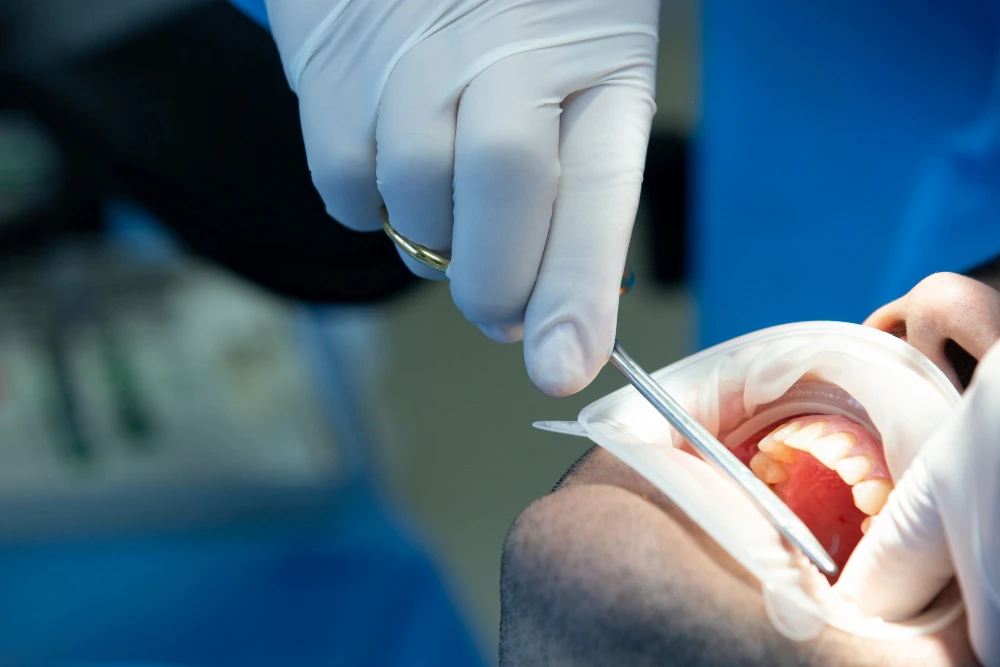
Root canal treatment is one of the most common dental procedures used to save a damaged or infected tooth.
Yet many people feel nervous before their appointment because they are unsure how much time the procedure will take.
The good news is that modern dental techniques have made root canal procedures faster, safer, and more comfortable than many people expect.
In most cases, treatment can be completed in one or two visits. However, the exact time depends on the condition of the tooth, the level of infection, and which tooth is being treated.
If you are searching for professional dental care and treatment guidance, the team at Kurtköy Dental Clinic provides comprehensive dental services and patient-focused care to help people protect their oral health.
This guide explains how long the procedure usually takes, what affects the timeline, and what you can expect before, during, and after treatment.
A standard root canal appointment usually takes between 30 and 90 minutes.
Some simple cases can be completed in a single visit, while more complex cases may require two or more appointments.
Here is a general timeline:
- Front teeth usually take 30 to 60 minutes
- Premolars often take 45 to 90 minutes
- Molars may take 60 to 90 minutes or longer
- Complex infections may need multiple visits
The overall treatment process may also include a follow-up appointment for placing a permanent crown.
What Happens During Root Canal Treatment?
Understanding the process can help you feel more relaxed before your appointment.
A root canal is performed to remove infected or damaged tissue from inside the tooth. The dentist then cleans and seals the tooth to prevent further infection.
Step 1: Examination and X-rays
The dentist first examines the tooth and takes dental X-rays.
These images help identify the infection, the shape of the root canals, and whether the surrounding bone has been affected.
This stage usually takes around 10 to 15 minutes.
Step 2: Numbing the Area
Local anesthesia is used to numb the tooth and surrounding gums.
Most patients feel little to no pain during the procedure after the area becomes numb.
This process generally takes a few minutes.
Step 3: Cleaning the Tooth
The dentist creates a small opening in the tooth to access the infected tissue.
Tiny instruments are used to clean the root canals and remove bacteria.
This is often the longest part of the appointment.
Step 4: Filling and Sealing
After cleaning, the canals are filled with a special material to seal the tooth.
In some cases, a temporary filling is placed until the next appointment.
Step 5: Crown Placement
Many teeth need a dental crown after root canal treatment.
A crown helps protect the tooth from breaking and restores normal function.
Some crowns are placed during a separate visit.
Why Some Root Canals Take Longer Than Others
Not every tooth is the same.
Several factors can affect how long treatment takes.
Type of Tooth
Front teeth usually have one root canal, making them easier and faster to treat.
Molars at the back of the mouth can have three or four canals. These canals are harder to reach and clean, which increases treatment time.
Severity of Infection
A mild infection may be treated quickly.
However, a severe infection may require additional cleaning and medication inside the tooth.
If swelling or pus is present, the dentist may wait before permanently sealing the tooth.
Curved or Narrow Canals
Some people naturally have curved or narrow root canals.
These teeth require more detailed work and careful cleaning.
Previous Dental Work
A tooth that has already received treatment in the past may take longer to manage.
Removing old fillings, crowns, or previous root canal material can increase appointment time.
Need for Multiple Visits
Sometimes the dentist places medication inside the tooth between visits to help remove infection.
In these cases, treatment may be spread across two or more appointments.
Can a Root Canal Be Done in One Visit?
Yes, many root canals can be completed in one visit.
Modern dental technology allows dentists to clean and seal teeth more efficiently than before.
Single-visit treatment is more common when:
- The infection is mild
- The tooth structure is straightforward
- There is no major swelling
- The patient has enough time for a longer appointment
However, some situations still require multiple visits for the best long term results.
How Long Is Recovery After a Root Canal?
Most people recover quickly after treatment.
It is normal to experience mild soreness or sensitivity for a few days.
Many patients return to work or normal activities the same day.
Here is a typical recovery timeline:
- Mild tenderness for 2 to 5 days
- Chewing sensitivity for about one week
- Full comfort usually returns within two weeks
Over-the-counter pain relief is often enough to manage temporary discomfort.
If severe pain or swelling continues, you should contact your dentist.
Signs You May Need Root Canal Treatment
Not every toothache requires a root canal.
Still, some symptoms may indicate infection inside the tooth.
Persistent Tooth Pain
Pain that does not go away may suggest nerve damage or infection.
Sensitivity to Hot or Cold
If pain lingers after eating or drinking something hot or cold, the tooth pulp may be inflamed.
Swollen Gums
Swelling near the affected tooth can be a sign of infection.
Tooth Discoloration
A darkened tooth sometimes indicates damage to the inner tissue.
Pain When Chewing
Pressure while biting may mean the infection has reached deeper structures.
Ignoring these symptoms can allow the infection to worsen over time.
Does a Root Canal Hurt?
Many people believe root canal treatment is painful.
In reality, modern root canal procedures are designed to relieve pain, not cause it.
Local anesthesia keeps the area numb during treatment.
Most patients compare the experience to getting a regular filling.
You may feel pressure or vibration during the procedure, but sharp pain is uncommon.
After treatment, mild soreness is normal while the surrounding tissue heals.
Tips to Make Your Appointment Easier
Preparing properly can help your appointment go more smoothly.
Eat Before Your Appointment
Your mouth may stay numb for a few hours after treatment.
Eating beforehand can make you more comfortable.
Get Enough Rest
Being well rested can help reduce stress during dental procedures.
Follow Your Dentist’s Instructions
Take any recommended medication exactly as directed.
Avoid Hard Foods
If you have a temporary filling, avoid chewing hard foods on that side until the tooth is fully restored.
How Long Does the Entire Process Take?
When people ask about timing, they often mean the full treatment journey.
The total process may include:
- Initial consultation and X-rays
- Root canal appointment
- Healing period
- Crown placement if needed
Although the cleaning procedure itself may only take about an hour, the full restoration process can take a few weeks from start to finish.
This timeline helps ensure the tooth heals properly and stays strong long term.
Can You Delay Root Canal Treatment?
Delaying treatment is generally not recommended.
An untreated tooth infection can spread deeper into the tooth and surrounding tissue.
Over time, the pain may become worse, and the risk of tooth loss can increase.
Early treatment is usually simpler and may help prevent more serious complications.
If you notice ongoing tooth pain or swelling, it is best to schedule a dental evaluation as soon as possible.
When Should You Contact Your Dentist After Treatment?
Most recovery symptoms improve steadily within a few days.
However, you should contact your dentist if you experience:
- Severe swelling
- Fever
- Intense pain that does not improve
- Allergic reaction to medication
- Difficulty biting after treatment
These symptoms may indicate that additional care is needed.
Conclusion
Root canal treatment is a common procedure that helps save infected or damaged teeth.
In many cases, the procedure takes between 30 and 90 minutes, depending on the tooth and the complexity of the infection.
Some patients complete treatment in one visit, while others may need multiple appointments for the best outcome.
Understanding the timeline can help reduce anxiety and make the experience feel more manageable.
With modern dental care, root canal treatment is more comfortable and efficient than many people expect.
If you are experiencing tooth pain, sensitivity, or swelling, seeking professional dental advice early can help protect your smile and prevent further complications.