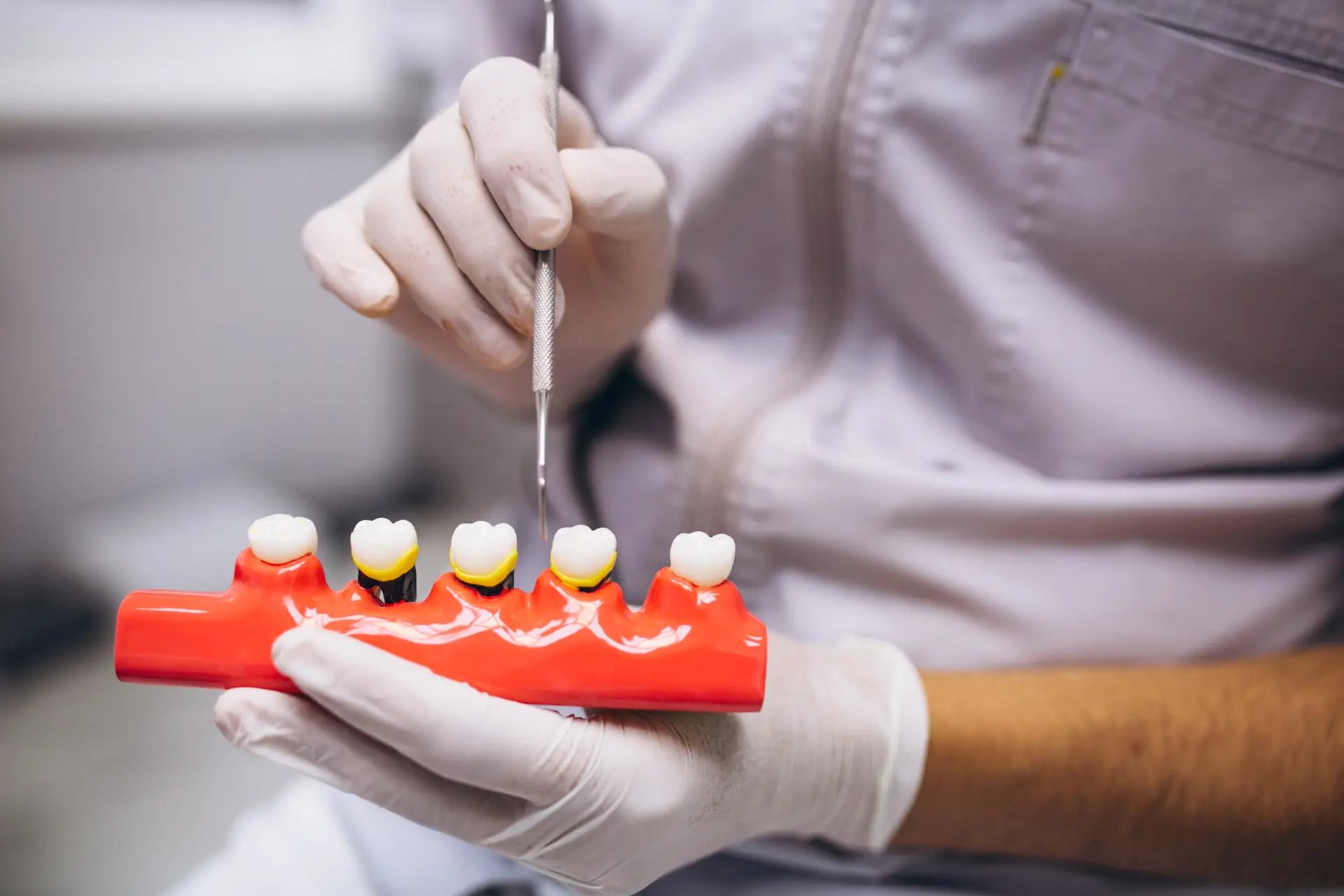

Most people pay close attention to the color of their teeth, but the appearance of the gums is just as important for oral health.
Healthy gums typically have a pink appearance, although natural pigmentation can vary from person to person. When the gums begin to change color unexpectedly, it may signal an underlying issue that deserves attention.
Changes in gum color can occur gradually or suddenly. Some cases are harmless and related to natural pigmentation, while others may indicate inflammation, infection, medication effects, or other oral health concerns.
Understanding the possible causes can help you determine when a color change is normal and when professional evaluation is necessary.
In this guide, you’ll learn what causes gum discoloration, the different colors gums may turn, potential treatment options, and practical steps to maintain healthy gums.
What Is Gum Discoloration?
Gum discoloration is a change in the appearance of gum tissue caused by factors such as pigmentation, inflammation, smoking, medications, injury, infections, or underlying health conditions.
Not every color change indicates a serious problem. However, persistent discoloration should be evaluated to identify the cause and prevent potential complications.
What Do Healthy Gums Look Like?
Healthy gums are generally:
- Firm and resilient
- Pink or naturally pigmented
- Free from swelling
- Free from bleeding during brushing
- Comfortable without pain or tenderness
Natural gum color varies among individuals. Some people naturally have darker gum pigmentation due to genetics and increased melanin production. This type of pigmentation is usually harmless.
The key concern is a change from your normal gum appearance rather than the specific shade itself.
Common Causes of Gum Discoloration
Several factors can contribute to changes in gum color.
Natural Pigmentation
One of the most common reasons for darker gums is natural pigmentation.
Melanin, the same pigment responsible for skin color, can also affect the gums. Individuals with higher melanin levels may naturally have brown, dark brown, or black areas on their gums.
This type of discoloration is typically symmetrical and does not cause pain, swelling, or bleeding.
Gum Inflammation
Inflammation is a frequent cause of red or darkened gums.
When plaque accumulates around the gumline, bacteria can irritate the tissue and trigger an inflammatory response. Increased blood flow to the area often causes redness and swelling.
Persistent gum inflammation should not be ignored because it may progress into more advanced periodontal disease if left untreated.
Smoking and Tobacco Use
Smoking can significantly affect gum appearance.
Long-term tobacco use may stimulate melanin production, leading to darker pigmentation. This condition is sometimes referred to as smoker’s melanosis.
In addition to discoloration, smoking increases the risk of gum disease and can slow healing after dental procedures.
Medication Side Effects
Certain medications can affect gum color.
Some drugs may increase pigmentation, while others can cause changes in blood flow or tissue appearance.
Common examples include specific antimalarial medications, certain antibiotics, and some medications used for chronic medical conditions.
If discoloration develops after starting a new medication, it is worth discussing with your healthcare provider.
Oral Injuries
Physical trauma can temporarily alter gum color.
Accidental bites, aggressive brushing, dental procedures, or impact injuries may cause bruising and localized discoloration.
In many cases, the affected area gradually returns to its normal appearance as healing occurs.
Poor Oral Hygiene
Inadequate oral care allows plaque and bacteria to accumulate around the teeth and gums.
Over time, this buildup can contribute to redness, swelling, and visible changes in gum color. Improving oral hygiene habits often helps restore healthier-looking gum tissue.
Understanding Different Gum Colors
The color of the gums can sometimes provide clues about the underlying cause.
Red Gums
Bright red gums are commonly associated with irritation and inflammation.
Possible causes include:
- Plaque buildup
- Gingivitis
- Aggressive brushing
- Early periodontal disease
Red gums are often accompanied by tenderness or bleeding.
Dark Brown or Black Gums
Dark gums may result from:
- Natural pigmentation
- Smoking
- Certain medications
- Rare medical conditions
If the discoloration appears suddenly or changes rapidly, professional evaluation is recommended.
White Gums
White patches or pale areas may develop due to:
- Fungal infections
- Irritation
- Reduced blood supply
- Certain oral conditions
Persistent white areas should always be examined by a dental professional.
Purple or Bluish Gums
Purple gums can indicate:
- Reduced oxygen supply
- Circulation issues
- Severe inflammation
- Advanced gum disease
This type of discoloration often warrants prompt assessment.
Pale Gums
Pale gums may be linked to:
- Nutritional deficiencies
- Reduced blood flow
- Certain systemic health conditions
If pale gums occur alongside fatigue or other symptoms, medical evaluation may be necessary.
Can Gum Disease Cause Discoloration?
Yes.
One of the most common signs of developing gum disease is a noticeable change in gum color.
During the early stages, the gums often become red and swollen. As inflammation progresses, they may appear darker or develop a purple hue.
Additional signs may include:
- Bleeding gums during brushing
- Persistent bad breath
- Gum tenderness
- Gum recession
- Loose teeth in advanced cases
Because gum disease can progress silently, early intervention is important.
The Connection Between Bleeding Gums and Color Changes
Bleeding gums and discoloration often occur together because both are commonly associated with inflammation.
When bacteria accumulate around the gumline, the body responds by increasing blood flow to the area. This response causes redness and makes the gums more prone to bleeding.
If you notice bleeding while brushing or flossing along with changes in gum color, it may indicate that your gums need professional attention.
Can Tooth Problems Affect Gum Color?
In some situations, yes.
Many patients ask, “Why does a tooth hurt?” while also noticing changes in the surrounding gum tissue.
When a tooth develops an infection, decay, or structural damage, the nearby gums may become inflamed and change color. The affected area can appear red, swollen, or darker than the surrounding tissue.
This is why persistent tooth pain should never be ignored.
Tooth Root Inflammation and Gum Discoloration
Inflammation affecting the root of a tooth can also influence the appearance of nearby gums.
When bacteria reach deeper structures beneath the tooth, the surrounding tissues may react with swelling and discoloration.
Common symptoms may include:
- Localized gum redness
- Tenderness
- Swelling
- Sensitivity while chewing
- Persistent discomfort
Addressing the underlying dental issue is essential for restoring healthy gum tissue.
When Should You See a Dentist?
Some forms of gum discoloration are harmless, but others require professional evaluation.
Consider scheduling an appointment if you experience:
- Sudden changes in gum color
- Persistent discoloration lasting several weeks
- Bleeding gums
- Pain or tenderness
- Swelling
- Loose teeth
- White patches that do not resolve
- Chronic bad breath
Patients who notice ongoing changes in their gum appearance may benefit from a comprehensive assessment at Airport Dent, a Kurtköy Dental Clinic to determine the underlying cause and receive personalized treatment recommendations.
How Dentists Diagnose Gum Discoloration
Diagnosis typically begins with a thorough oral examination.
A dentist may evaluate:
- Gum color and texture
- Signs of inflammation
- Plaque and tartar buildup
- Existing dental restorations
- Medical history
- Current medications
In some cases, additional imaging or tests may be recommended to identify deeper dental or periodontal concerns.
Treatment Options for Gum Discoloration
Treatment depends on the underlying cause.
Professional Dental Cleaning
If plaque and tartar buildup are contributing to inflammation, professional cleaning may help improve gum health and appearance.
Regular cleanings also reduce the risk of future periodontal problems.
Improved Oral Hygiene
Daily brushing and flossing play an essential role in maintaining healthy gums.
Proper oral hygiene helps remove bacterial plaque and supports healthier gum tissue over time.
Smoking Cessation
Reducing or eliminating tobacco use may help prevent further pigmentation changes and improve overall oral health.
Treating Gum Disease
When periodontal disease is present, treatment may include:
- Deep cleaning procedures
- Periodontal therapy
- Improved home care routines
- Ongoing monitoring
Early treatment often leads to better outcomes.
Managing Underlying Conditions
If medication effects, infections, or systemic health conditions contribute to discoloration, treatment focuses on addressing the root cause.
Can Gum Discoloration Be Prevented?
While not all causes can be prevented, many cases are linked to modifiable factors.
Helpful preventive measures include:
- Brushing twice daily
- Flossing every day
- Scheduling routine dental checkups
- Avoiding tobacco products
- Eating a balanced diet
- Staying hydrated
- Addressing dental concerns promptly
Consistent preventive care helps maintain healthier gums and reduces the risk of inflammation.
Practical Takeaways
If you notice a change in gum color:
- Compare it to your normal gum appearance
- Monitor for pain, swelling, or bleeding
- Maintain excellent oral hygiene
- Avoid tobacco products
- Seek professional evaluation if the change persists
Early attention often allows problems to be identified before they become more serious.
Conclusion
Changes in gum color can occur for many reasons, ranging from harmless natural pigmentation to inflammation, infection, smoking, and underlying dental conditions. Understanding the possible causes helps you make informed decisions about your oral health.
While some discoloration is completely normal, persistent or sudden changes should not be overlooked, especially when accompanied by bleeding, swelling, discomfort, persistent gum inflammation, tooth pain, or signs of tooth root inflammation.
Maintaining good oral hygiene, attending regular dental visits, and seeking professional advice when concerns arise are among the best ways to protect your gums and preserve a healthy smile for years to come.