Clenching teeth is a common habit that many people experience during the day or while sleeping. Most individuals do not even realize they are doing it until symptoms begin to appear.
Understanding why it happens is the first step toward protecting your teeth and improving your overall oral health.
If you are looking for trusted dental guidance, resources like Airport Dent can help you learn more about maintaining a healthy smile.
Below is a complete guide to what causes teeth clenching, how it affects your health, and what you can do to stop it.
What Is Clenching Teeth? Understanding the Habit and Its Impact
Clenching teeth refers to tightly pressing the upper and lower teeth together. It often occurs unconsciously and may happen during stressful moments or while you are asleep.
Clenching is closely related to bruxism, which includes both clenching and grinding. While some people experience mild habits, others feel strong pressure that can damage their teeth over time.
This repeated action places stress on the jaw muscles, teeth, and surrounding tissues, eventually leading to discomfort or long-term complications.
Common Causes of Teeth Clenching (Bruxism)
There are several reasons why clenching teeth develops, and many people have more than one contributing factor.
The most common causes include stress, anxiety, misaligned teeth, sleep disorders, and lifestyle habits such as smoking or excessive caffeine.
Some medications may also increase muscle activity during sleep.
If you are unsure what triggers your clenching habits, consider visiting a professional dentist who offers General Dentistry services to evaluate possible causes.
Signs and Symptoms: How to Know If You’re Clenching Your Teeth
Many people do not notice they clench their teeth until symptoms develop.
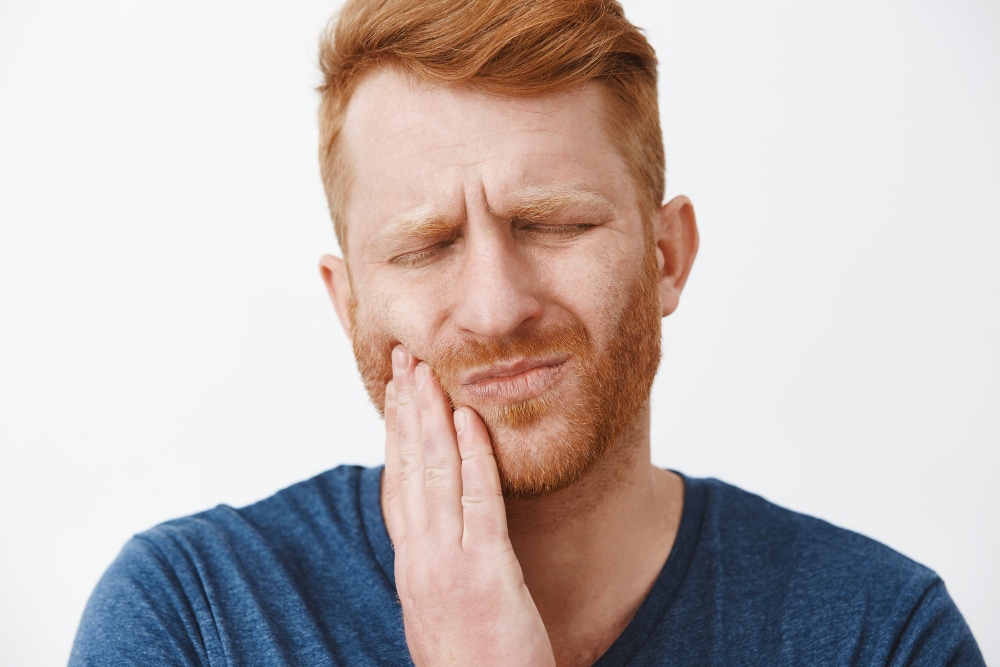
Common signs include jaw soreness, tight facial muscles, worn tooth surfaces, increased tooth sensitivity, and frequent headaches.
Some may wake up feeling tired even after a full night of sleep.
If left untreated, symptoms often become more noticeable and uncomfortable.
Why Teeth Clenching Happens at Night: The Science Behind Sleep Bruxism
Nighttime clenching is harder to detect because it occurs while you are asleep. It is often linked to stress, sleep apnea, or an abnormal bite.
During sleep, the brain may trigger muscle movements in the jaw, causing clenching without conscious control.
Sleep bruxism tends to be stronger than daytime clenching because your brain is unaware of the force being applied.
Health Problems Caused by Clenching Teeth
Clenching teeth may seem harmless at first, but it can lead to several oral health problems.
Common issues include worn enamel, chipped teeth, receding gums, and jaw disorders. Many people also experience chronic headaches and neck pain.
Over time, the pressure can strain the jaw joints and muscles, affecting your ability to chew or speak comfortably.
How Teeth Clenching Affects Your Jaw, Headaches, and Overall Oral Health
Your jaw joints and muscles work together to help you speak, chew, and swallow. When clenching becomes a habit, these structures become overworked.
This can lead to jaw clicking, limited movement, and tension headaches.
Clenching may also affect the alignment of your teeth, increasing the risk of cavities or gum problems.
Early detection helps prevent long-term complications that may require more advanced treatment.
When to See a Dentist for Teeth Clenching
It is important to visit a dentist if you notice persistent jaw pain, chronic headaches, tooth sensitivity, or signs of tooth damage.
A dentist can evaluate your bite, check for enamel wear, and determine whether you need protective treatment.
If your symptoms worsen or interfere with daily activities, contact a professional dentist.
Effective Home Remedies to Stop Clenching Teeth
Several home remedies may help reduce clenching habits.
- Applying warm compresses to the jaw, practicing gentle jaw stretches, and improving sleep habits often help relax the jaw muscles.
- Limiting caffeine, avoiding chewing gum, and maintaining good hydration may also reduce muscle tension.
- Mindfulness exercises can also help you become more aware of daytime clenching.
Professional Dental Treatments for Teeth Clenching (Mouthguards, Botox and More)
Dentists offer several effective treatments to reduce the impact of clenching.
Mouthguards are commonly recommended to protect your teeth from nighttime pressure.
In some cases, dental correction or orthodontic treatment may be needed to improve bite alignment.
For severe muscle tension, some patients may receive Botox injections to relax the jaw muscles.
Your dentist will recommend the most suitable option based on your symptoms and habits.
Lifestyle Changes That Help Prevent Teeth Clenching
Simple lifestyle adjustments can make a big difference.
Reducing stress, getting regular sleep, limiting alcohol, and avoiding hard foods help ease pressure on your jaw.
Practicing relaxation techniques such as meditation or deep breathing may help reduce tension-related clenching.
Tips to Stop Clenching Teeth at Work or During the Day
- Daytime clenching often goes unnoticed because it occurs while you focus on other tasks.
- Try keeping a reminder to relax your jaw throughout the day.
- Maintaining good posture, drinking enough water, and taking short breaks can help reduce tension.
- You can also gently place your tongue between your teeth to prevent clenching.
Long-Term Prevention: How to Protect Your Teeth from Damage
Consistency is key when preventing long-term clenching damage.
Regular dental checkups and early treatment help protect your teeth.
Using mouthguards, managing stress, and avoiding harmful habits can reduce long-term risks.
Following healthy lifestyle routines and seeking guidance from an experienced dental team like Airport Dental, who ensures you maintain strong oral health.
FAQs About Clenching Teeth
Is clenching teeth normal?
Occasional clenching is common, but frequent clenching may indicate a problem.
Can clenching teeth cause headaches?
Yes, the tension from jaw muscles can lead to frequent headaches.
How do I know if I clench at night?
Morning jaw pain, tooth wear, and partner observations are common signs.
Does clenching teeth damage enamel?
Yes, long-term clenching can gradually wear down tooth enamel.Can stress cause clenching?
Stress is one of the most common causes of both daytime and nighttime clenching.