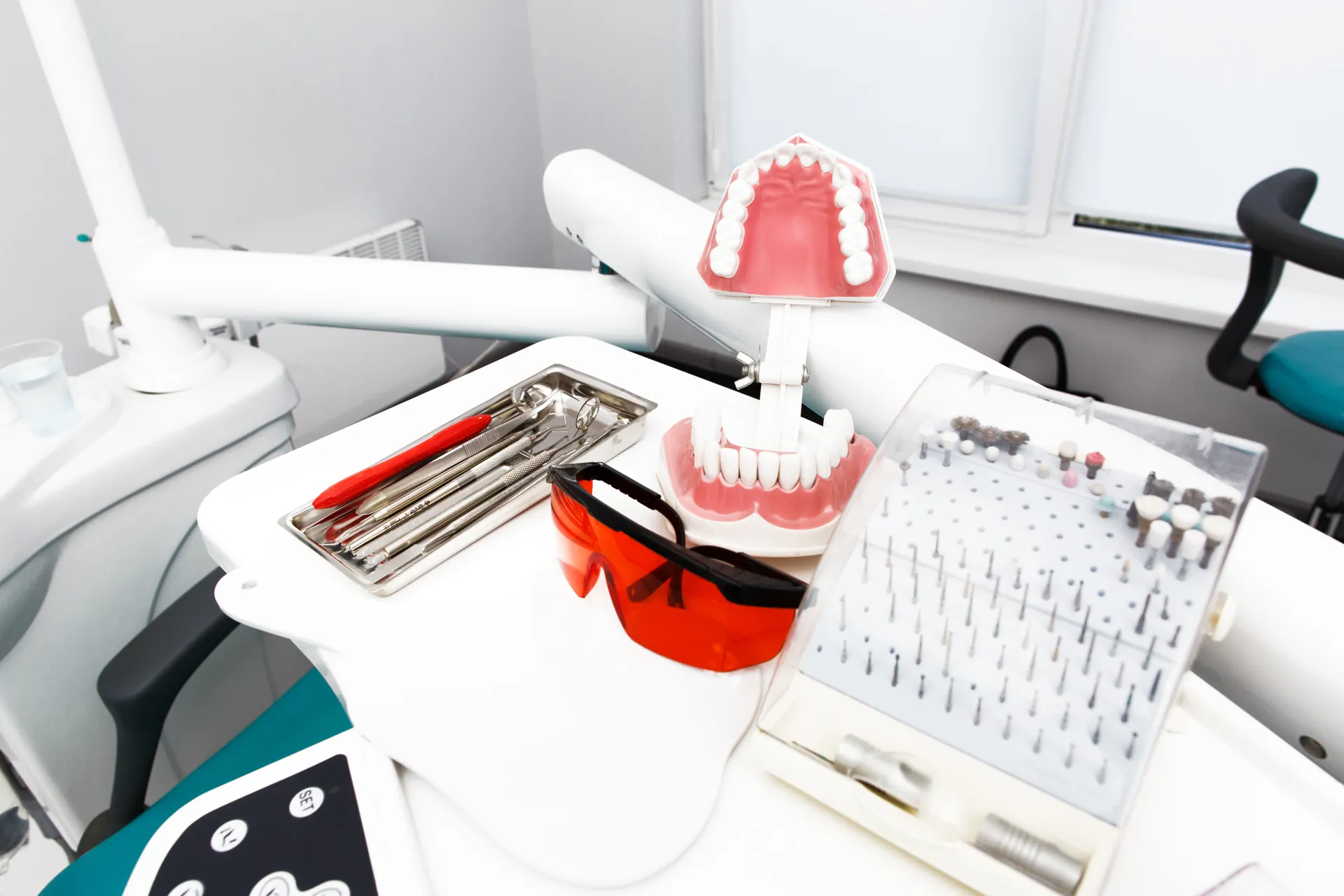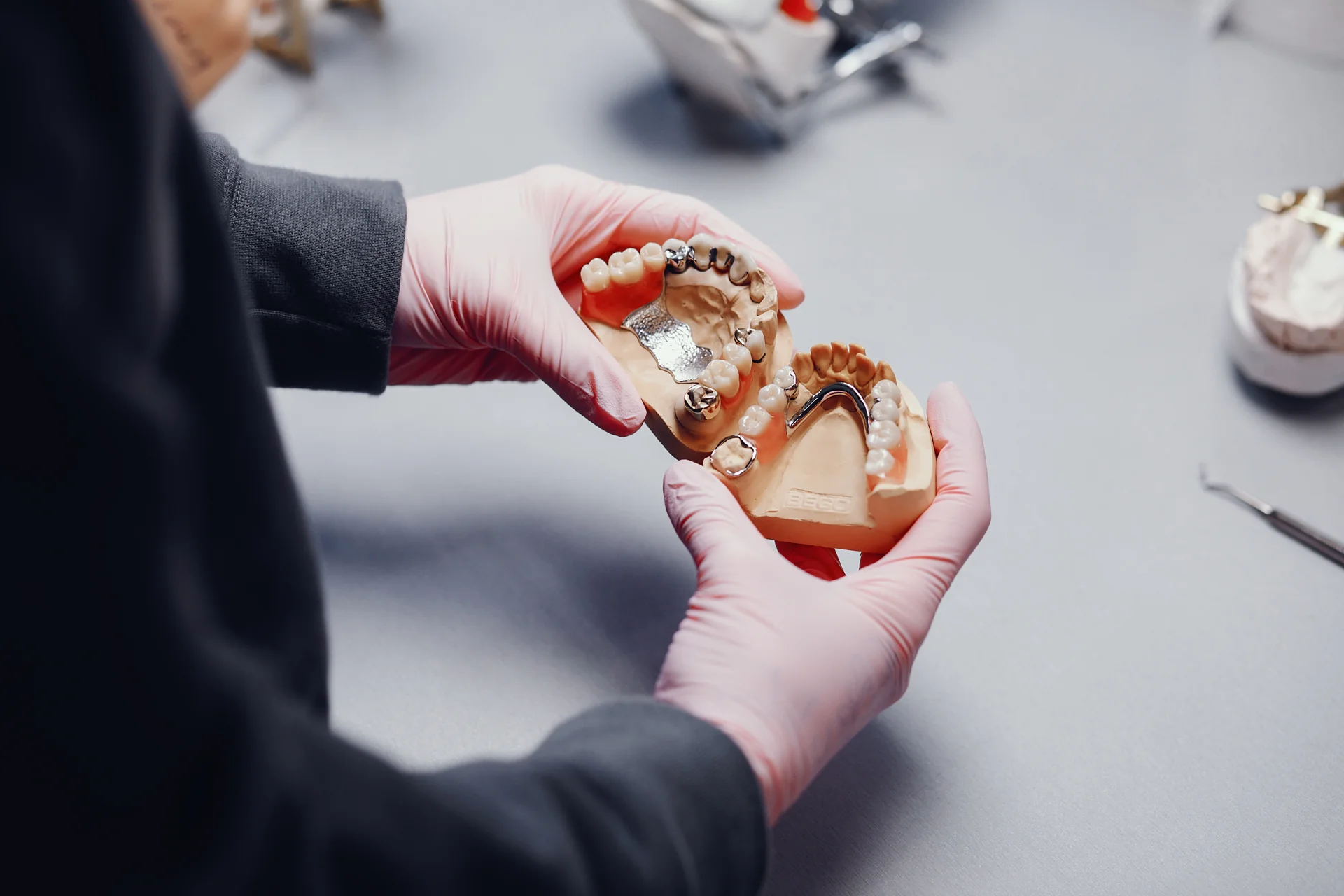
Missing, damaged, or weak teeth can impact more than just your smile. They can make chewing harder, affect your speech, and change how your other teeth work. Thankfully, modern dentistry offers reliable solutions to restore how your mouth looks and functions.
Fixed prosthetic teeth are dental restorations that replace or repair teeth and are not meant to be taken out by the patient. Options include crowns, bridges, or implant-supported restorations, depending on your needs.
The best choice is based on your teeth, gums, jawbone, bite, and overall oral health. At Airport Dent Kurtkoy Clinic, we believe in clear communication during treatment planning.
Knowing your options ahead of time can help you feel more comfortable and confident about your dental care.
What Are Fixed Prosthetic Teeth?
A fixed dental prosthesis is a restoration that stays in place and is attached to your natural teeth, roots, or dental implants. Unlike removable dentures, fixed prostheses are not taken out for cleaning or sleeping.
Common examples include:
- Dental crowns, which cover and restore damaged or weakened teeth.
- Dental bridges replace one or more missing teeth using supporting teeth or implants.
- Implant-supported prostheses, which use dental implants as artificial tooth roots to support crowns or bridges.
- Full-arch fixed prostheses, which can replace most or all teeth in an arch using strategically placed implants.
The goal isn’t just to fill a visible gap. A good restoration also takes into account how you chew, speak, and look, as well as your bite, gum health, and how your upper and lower jaws fit together.
When Might Fixed Prosthetic Teeth Be Recommended?
Fixed restorations may be considered when a tooth is extensively decayed, fractured, heavily restored, or missing entirely.
A crown can protect and restore a tooth when enough healthy tooth structure remains. A bridge may be suitable when one or more teeth are missing and appropriate supporting teeth are available.
Dental implants offer another way to replace missing teeth. An implant fixture is placed into the jawbone and can eventually support a crown, bridge, or other prosthesis.
However, not everyone is a candidate for every option. Issues such as tooth decay, gum disease, insufficient bone, or other oral health problems may need to be treated first.
Types of Fixed Dental Prostheses
Dental Crowns
A dental crown is a custom-made restoration that covers a prepared tooth or, in some cases, an implant. Crowns can restore a damaged tooth’s shape, strength, and appearance.
Before getting a traditional crown, your dentist may prepare the tooth and take an impression. Many dentists now use an intraoral scanner to make a digital model instead.
Dental Bridges
A dental bridge replaces a missing tooth or several adjacent missing teeth. Traditional bridges may use crowns on neighboring teeth as support, while implant-supported bridges are secured to dental implants.
A bridge can fill a gap and help keep your dental arch complete. The right design depends on the size of the gap, the supporting teeth, your bite, and the surrounding tissues.
Implant-Supported Restorations
Dental implants act as artificial tooth roots. After implant placement, the bone gradually bonds with the implant through a process known as osseointegration.
Once healing and integration are adequate, an abutment can connect the implant to a crown or bridge. Depending on the individual case, dental implant treatment can involve several stages and may take months to complete.
Full-Arch Fixed Prostheses
A full-arch fixed prosthesis replaces most or all missing teeth in one dental arch and is securely supported by strategically placed dental implants.
It is considered for patients with extensive tooth loss or severely damaged teeth. Treatment involves implant placement, healing, and osseointegration, followed by attachment of the final restoration via implant abutments.
This type of restoration provides stable chewing function and a fixed alternative to removable dentures. However, suitability depends on jawbone health and overall dental condition.
Materials Used for Fixed Prosthetic Teeth
The material you choose can affect how your tooth looks, how strong it is, how it works, and whether it is right for that tooth.
Standard materials include:
- Zirconia is a strong ceramic frequently used for crowns and fixed restorations.
- Porcelain and ceramic are valued for their tooth-like appearance.
- Porcelain-fused-to-metal, combining a metal substructure with a ceramic outer layer.
- Metal alloys have a long history of use in durable dental restorations.
- Composite resin, which may be used in selected restorative applications.
“The American Dental Association (ADA) says ceramic materials look good and perform well, while metal alloys are known for their strength and longevity.
The best material depends on where the restoration is, how it will be used, how it looks, and your specific needs.
How Are Fixed Prosthetic Teeth Made and Fitted?
Treatment usually starts with a comprehensive dental examination. The dentist evaluates the teeth, gingiva, jawbone, bite, and surrounding oral structures.
Digital dentistry has made this process more accurate and comfortable. An intraoral scanner can create a digital image of your mouth, and CAD/CAM technology helps design and make your restorations.
The dentist takes impressions using an impression tray. The dentist may also record the patient’s bite, known as a bite registration, to help establish appropriate occlusion.
You may get a temporary restoration while your permanent one is being made. The dentist will assess the dental prosthesis for proper fit, appearance, and bite before securely placing it with dental cement.
A dental lab and technician often help design and make the restoration, especially for more complex cases.
Benefits and Limitations
Fixed prosthetic teeth can provide several useful benefits:
- Restore missing or damaged tooth structure.
- Improve chewing and oral function.
- Support a more natural-looking smile.
- Help restore speech affected by missing teeth.
- Provide a stable alternative to removable tooth replacement.
However, fixed restorations still need care. Teeth that support bridges can get decay or gum disease, and implants can get inflamed if you do not keep them clean. Parts of the prosthesis can also wear out or need repairs over time.
For this reason, professional examinations and good daily oral hygiene are important after treatment for natural teeth. However, bridges and implant restorations require special attention in areas where plaque can collect.
A good routine includes:
- Brush twice daily with fluoride toothpaste.
- Clean carefully around the gumline.
- Floss or use appropriate interdental cleaning tools.
- Follow your dentist’s recommendations for cleaning beneath a bridge.
- Attend regular dental examinations and professional cleanings.
- Report looseness, discomfort, bleeding, or changes in your bite promptly.
If you have implants, it is especially important to maintain good oral hygiene. Inflammation around implants can harm the nearby tissues and bone.
FAQs About Fixed Prosthetic Teeth
Are fixed prosthetic teeth removable?
No. Fixed prostheses are made to stay attached to your teeth, roots, or implants.
Are dental implants the same as fixed prosthetic teeth?
Not exactly. The implant replaces the tooth root, while the crown or bridge attached to it replaces the visible tooth structure. Together, they can form an implant-supported fixed restoration.
How long does treatment take?
Treatment time differs considerably. A conventional crown or bridge may require fewer appointments, while implant treatment involves surgical healing and restorative stages. Bone grafting, when necessary, can extend the overall treatment period.
Can anyone get fixed prosthetic teeth?
There is no one-size-fits-all solution. Dentists assess your tooth structure, gum health, bone, bite, oral hygiene, and other factors before recommending treatment.
Do fixed prosthetic teeth require special care?
Yes. Even though they are fixed, these restorations still need daily cleaning and regular dental care.
Key Takeaways
- Fixed prosthetic teeth are non-removable restorations attached to natural teeth, roots, or implants.
- Crowns, bridges, and implant-supported restorations are common types.
- Dental implants can support fixed crowns and bridges when conditions are suitable.
- Restorative dentistry uses zirconia, ceramic, porcelain, metal alloys, and porcelain-fused-to-metal.
- Digital impressions, intraoral scanners, and CAD/CAM technology can support modern restoration planning.
- Gum health, bone condition, tooth structure, and occlusion all affect treatment planning.
- Proper home care and regular dental visits help maintain restorations.
Conclusion
Fixed prosthetic teeth are a reliable way to restore missing, damaged, or weak teeth and help you chew and smile comfortably.
The best option isn’t just about looks. Your dentist will consider your teeth, gums, jawbone, bite, and overall oral health.
Modern prosthodontics uses careful diagnosis, advanced materials, digital tools, lab skills, and customized planning.
Most importantly, you must clearly understand your restoration, its benefits, limits, alternatives, and care needs before starting treatment.
At Airport Dent, we believe honest explanations and caring support help you make confident choices.
If you’re considering a fixed restoration, a thorough examination is the best way to determine which option is right for your smile.