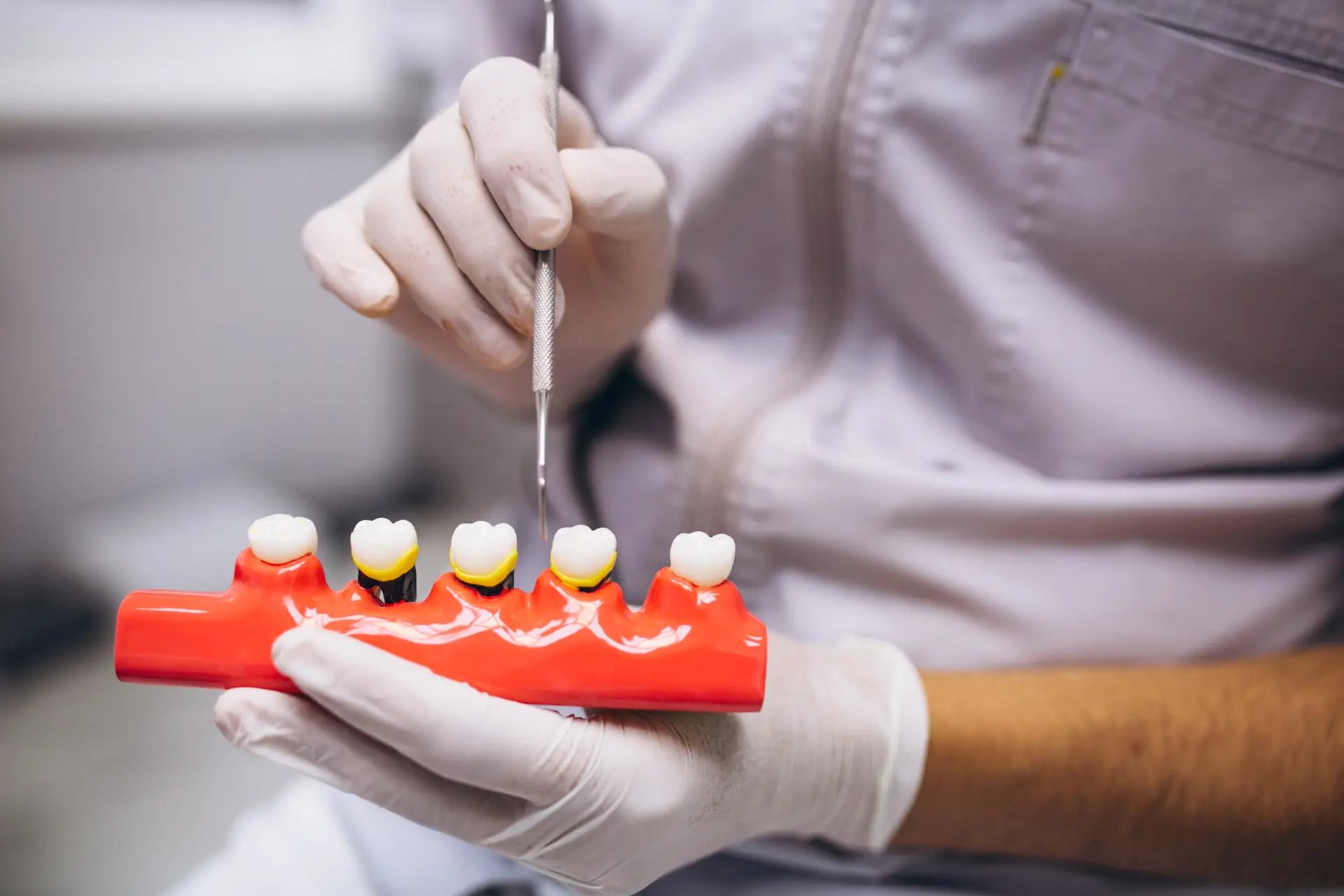

If you’re wondering, “Does tartar removal hurt?” the answer is usually no. A professional dental cleaning is typically comfortable, though you may feel some pressure, vibration, or mild sensitivity, especially if there’s heavy tartar or inflamed gums.
Tartar, also called dental calculus, is hardened plaque that cannot be removed effectively with a toothbrush or floss. A dental professional uses specialized instruments to remove these deposits and protect your teeth and gums.
At a patient-focused practice such as Airport Dent, clear explanations and compassionate communication can make the experience more comfortable. Patients seeking a Pendik private dental clinic can also ask questions before treatment so they know what to expect.
What Does Tartar Removal Feel Like?
During routine dental scaling, a dentist or dental hygienist removes plaque and tartar from tooth surfaces. An ultrasonic scaler creates a buzzing or vibrating sensation, while a hand scaler can produce a light scraping feeling.
You should not normally experience sharp or severe pain during routine scaling. However, some areas may feel more sensitive, particularly around the gumline or teeth with exposed root surfaces.
If you want to understand the buildup itself, our guide to what is tartar explains how plaque hardens and why professional cleaning is necessary.
Why Can Tartar Removal Sometimes Hurt?
Discomfort is more likely when the gums or teeth are already sensitive. Tartar can accumulate around and beneath the gumline, where it can contribute to gum inflammation and periodontal problems.
Common reasons for discomfort include:
- Inflamed or tender gums caused by gingivitis
- Heavy dental calculus buildup
- Tartar located below the gumline
- Gum recession and exposed tooth roots
- Existing tooth sensitivity
- Cavities, cracks, or other dental problems
- A deeper periodontal cleaning rather than a routine cleaning
Sensitive teeth can react to cold water, air, or instruments during cleaning. Exposed dentin or tooth roots can make these sensations more noticeable because those surfaces are more sensitive than protected enamel.
What Happens During a Tartar Removal Appointment?
A professional dental cleaning usually begins with an examination of your teeth and gums. Your dentist or dental hygienist may check for plaque, tartar, gum bleeding, inflammation, periodontal pockets, tooth decay, and signs of gum disease.
Dental X-rays may be used to evaluate areas that cannot be seen directly. Dental X-rays can help identify problems affecting tooth roots, supporting bone, or other structures.
The cleaning commonly involves scaling followed by polishing. During scaling, an ultrasonic scaler or hand scaler removes deposits from tooth surfaces. The teeth may then be polished to remove remaining surface stains and leave the surfaces smoother.
For most people, routine scaling is not painful. Communicating with your dental team is important. If an area feels uncomfortable, tell them so they can adjust the technique, provide a break, or discuss comfort options.
Routine Cleaning vs Deep Cleaning
A routine professional teeth cleaning generally removes plaque and tartar above and around the gumline and helps maintain oral health.
When gum disease has created deeper periodontal pockets, a dentist may recommend scaling and root planing. This deeper cleaning removes plaque and tartar from below the gumline and smooths the root surfaces.
The American Dental Association describes scaling and root planing as a treatment for gum disease that reaches below the gumline.
Because treatment reaches deeper areas, local anesthetic or dental anesthesia may be used.
How Long Does Sensitivity Last After Tartar Removal?
Mild tooth sensitivity or gum discomfort after cleaning is usually temporary. Sensitivity can be more noticeable when significant tartar has been removed or when previously covered root surfaces are exposed.
If discomfort is persistent, severe, worsening, or limited to one tooth, contact your dentist because the cleaning may not be the underlying cause.
Identifying the cause is important rather than assuming every painful sensation is simply a normal part of cleaning.
Can Tartar Removal Make Gums Bleed?
Yes. Bleeding can occur during or after cleaning, especially when the gums are inflamed. Gingivitis commonly causes red, swollen gums that bleed easily during brushing or professional cleaning.
Bleeding is not necessarily a sign that cleaning damaged your gums. In many cases, it reflects existing inflammation associated with plaque and tartar buildup.
However, frequent or heavy gum bleeding should not be ignored. It can be a sign of gum disease and needs professional evaluation.
How Can You Make Tartar Removal More Comfortable?
You can take several practical steps:
- Tell your dentist about previous sensitivity or dental anxiety before treatment.
- Use a soft-bristled toothbrush and gentle brushing technique at home.
- Clean between your teeth daily to reduce plaque buildup.
- Follow personalized aftercare instructions from your dental team.
- Ask whether desensitizing toothpaste is appropriate if sensitivity is a concern.
- Do not attempt to scrape tartar off at home with sharp objects.
Regular oral hygiene helps prevent plaque from hardening into calculus. Once tartar has formed, professional removal is the safe approach.
The American Dental Association recommends brushing and cleaning between teeth as important parts of maintaining oral health and preventing plaque buildup.
For broader preventive, restorative, and routine dental services, patients can explore Airport Dent’s general dentistry care.
When Should You See a Dentist?
Arrange a dental evaluation if you have persistent sensitivity, painful or swollen gums, frequent bleeding, bad breath, loose teeth, or visible tartar that keeps returning.
Pain should also be evaluated if it is sharp, severe, lasts longer than expected, or occurs in one specific tooth. Tooth decay, a cracked tooth, gum recession, or infection can sometimes cause symptoms that become noticeable during or after cleaning.
Gum disease can progress from gingivitis to periodontitis, which can affect the tissues and bone supporting the teeth. Early evaluation can help determine whether routine professional cleaning is sufficient or whether periodontal treatment is needed.
FAQs
Does tartar removal hurt for everyone?
No. Most routine cleanings are comfortable. You may feel pressure, vibration, scraping sensations, or mild sensitivity, especially around sensitive teeth or inflamed gums.
Is tartar removal more painful with gum disease?
It can be. Gum disease may cause tender, inflamed gums and deeper periodontal pockets. Scaling and root planing reaches beneath the gumline and may require local anesthesia.
Can I eat after tartar removal?
Usually, you can eat after a routine cleaning. If your teeth or gums feel sensitive, choose foods and drinks that feel comfortable temporarily.
How can I prevent tartar from coming back?
Brush regularly with fluoride toothpaste, clean between your teeth every day, maintain recommended dental visits, and follow your dentist’s personalized oral hygiene advice. Plaque that remains on teeth can harden into tartar.
Should I worry about bleeding after a cleaning?
A small amount of bleeding can occur when inflamed gums are cleaned. Persistent or heavy bleeding should be discussed with a dentist.
Key Takeaways
- Routine tartar removal is usually comfortable and should not cause significant pain.
- Mild pressure, vibration, scraping sensations, or temporary sensitivity can occur.
- Inflamed gums, heavy calculus, exposed roots, and gum disease can increase discomfort.
- Deep cleaning may require local anesthetic because it treats areas below the gumline.
- Temporary sensitivity or gum tenderness can occur after treatment.
- Persistent pain, swelling, or bleeding deserves professional evaluation.
- Good brushing and interdental cleaning help prevent plaque from hardening into tartar.
Conclusion
So, does tartar removal hurt? For most patients, routine dental scaling is not painful, although some sensitivity or mild gum discomfort is possible.
Comfort depends on factors such as tartar buildup, gum health, tooth sensitivity, and whether the cleaning is routine or a deeper periodontal treatment.
The best approach is to communicate openly with your dental team. A compassionate dentist or hygienist can explain the procedure, respond to sensitivity, and help you feel more in control throughout the visit.
If you need professional guidance, your dental team can assess your teeth and gums and explain the most appropriate next steps for your individual oral health.