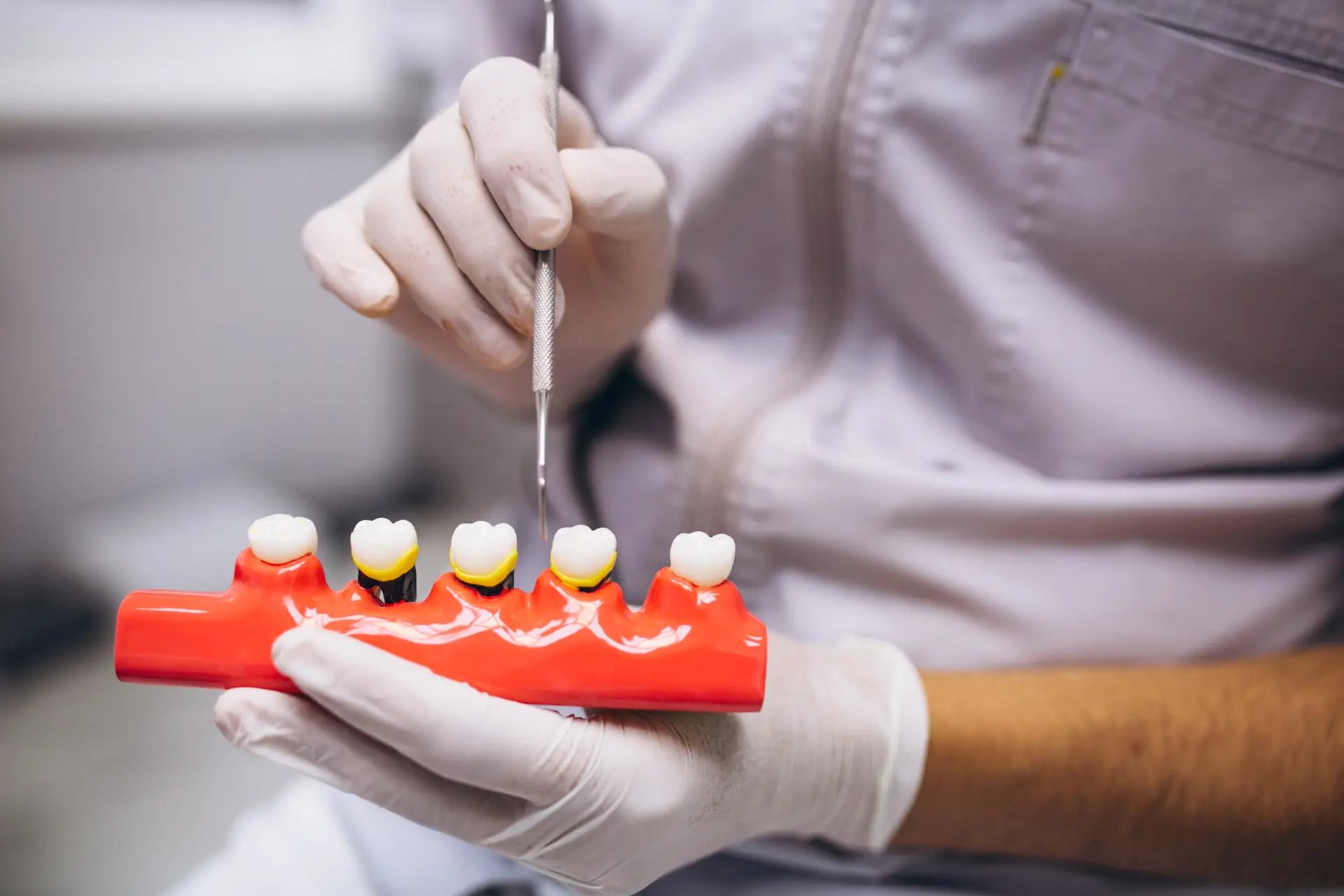
Tooth pain can start as a mild annoyance and quickly become hard to ignore.
Sometimes it feels sharp when you bite.
Sometimes it throbs without warning.
Sometimes the pain comes and goes, making you wonder if something is really wrong.
If you have ever asked yourself why does a tooth hurt, you are not alone.
Tooth pain is one of the most common oral health complaints. It can happen for many reasons, from simple sensitivity to infections that need urgent care.
In some cases, the pain starts inside the tooth.
In others, the gums, jaw, or even nearby sinuses may be involved.
Understanding the cause matters because pain is often your body’s way of telling you something needs attention.
The good news is many causes of tooth pain can be treated, especially when caught early.
At Airport Dent, patients often ask why one tooth hurts suddenly or why pain appears without an obvious cavity.
Many times the answer is linked to problems that fall under general dentistry, where early diagnosis can prevent bigger issues.
This guide explains common reasons a tooth may hurt, what symptoms to watch for, and when it may be time to see a dentist.
What Causes Tooth Pain?
Quick Answer
A tooth may hurt because of:
- Tooth decay
- Tooth sensitivity
- Gum disease
- Cracked or damaged teeth
- Tooth infection or abscess
- Teeth grinding
- Wisdom tooth problems
- Sinus pressure
- Damaged fillings or dental work
The cause depends on the type of pain, when it happens, and whether other symptoms are present.
Tooth Decay and Cavities
One of the most common reasons for tooth pain is tooth decay.
Cavities form when bacteria in plaque produce acids that wear away enamel.
As the decay gets deeper, it can reach sensitive inner layers of the tooth.
This can lead to pain when:
- Eating sweets
- Drinking something cold
- Biting down
- Food gets stuck in the area
At first, decay may cause little or no symptoms.
That is why some people are surprised when pain suddenly starts.
Often the cavity has been developing for a long time.
Signs a Cavity May Be Causing Pain
You may notice:
- Sensitivity to hot or cold
- A visible hole or dark spot
- Pain when chewing
- Food trapping between teeth
- Ongoing aching in one area
What Helps
Small cavities may be treated with fillings.
Larger areas of decay may need more advanced treatment.
The earlier decay is treated, the easier it often is to save the tooth.
Tooth Sensitivity
Sometimes a tooth hurts only when exposed to cold air, ice water, sweets, or hot drinks.
This may be sensitivity.
Sensitivity often happens when the protective enamel wears down or the tooth root becomes exposed.
Common causes include:
- Brushing too hard
- Gum recession
- Worn enamel
- Acidic foods
- Teeth grinding
- Recent whitening treatments
The pain is often short and sharp.
It may disappear once the trigger is gone.
Why Sensitive Teeth Hurt
Under enamel is dentin.
Dentin contains tiny channels connected to the nerve.
When exposed, temperature and pressure can trigger pain.
What Can Help
Depending on the cause, options may include:
- Desensitizing toothpaste
- Softer brushing techniques
- Fluoride treatments
- Treating gum recession
- Managing grinding habits
Sensitivity should still be checked if it appears suddenly, especially in one tooth.
Gum Disease Can Cause Tooth Pain
Sometimes the problem is not the tooth itself.
It may be the gums.
Inflamed or infected gums can cause soreness around teeth, tenderness, and even pain while chewing.
Early gum disease may cause:
- Red gums
- Swelling
- Bleeding while brushing
- Mild discomfort
More advanced gum disease can lead to:
- Loose teeth
- Pain around roots
- Gum recession
- Bad breath
- Infection
As support around the tooth weakens, discomfort may increase.
Some people think the tooth hurts when the gum tissue is actually the source.
Why Treatment Matters
Ignoring gum disease can affect both oral health and tooth stability.
Professional cleaning and gum treatment can often stop progression.
Cracked or Damaged Teeth
A crack is another reason a tooth may hurt, especially when biting.
Sometimes the crack is visible.
Sometimes it is too small to see.
Pain from a cracked tooth often feels unpredictable.
You may feel:
- Sharp pain when chewing
- Pain when releasing bite pressure
- Sensitivity to temperature
- Discomfort that comes and goes
Cracks may happen from:
- Biting hard foods
- Trauma
- Teeth grinding
- Large fillings weakening a tooth
Why Cracks Hurt
A crack can irritate the nerve inside the tooth.
Pressure from chewing may trigger pain.
Some cracks can worsen over time if untreated.
That is why bite pain should never be ignored.
Tooth Infection or Abscess
An infected tooth can cause severe pain.
This may happen when bacteria reach the inner pulp where nerves and blood vessels are located.
Pain from infection may feel:
- Throbbing
- Constant
- Deep and intense
- Worse at night
Other signs may include:
- Swelling
- Fever
- Bad taste in the mouth
- Pain spreading to jaw or ear
- Tenderness when touching the tooth
Teeth Grinding and Jaw Clenching
Many people grind or clench without realizing it.
Often it happens during sleep.
This pressure can strain teeth and surrounding tissues.
Symptoms may include:
- Aching teeth
- Morning jaw soreness
- Tooth sensitivity
- Headaches
- Worn edges on teeth
Grinding can cause pain even when there is no cavity.
It can also contribute to cracks and enamel wear.
How It Is Managed
Managing grinding may include:
- Night guards
- Stress management
- Bite evaluation
- Treating damage caused by grinding
Wisdom Teeth Pain
Wisdom teeth can also cause discomfort.
This is common when they:
- Do not have enough space
- Grow at an angle
- Partially erupt
- Trap food and bacteria
Pain may occur in the back of the mouth and may come with:
- Swelling
- Jaw discomfort
- Trouble opening the mouth
- Gum tenderness
Because wisdom tooth problems may mimic other tooth pain, an exam often helps identify the source.
Sinus Pressure Can Feel Like Tooth Pain
Sometimes a tooth hurts even when the tooth is healthy.
Sinus pressure may be the reason.
Upper back teeth sit close to the sinus areas.
Pressure from congestion or infection may cause aching that feels like dental pain.
Signs it may be sinus-related:
- Pain in several upper teeth
- Pressure around the cheeks or eyes
- Congestion
- Symptoms worse when bending forward
This is one reason not all tooth pain starts in the tooth itself.
Damaged Fillings or Old Dental Work
A worn filling or damaged crown can lead to pain.
Problems may happen if a restoration:
- Cracks
- Loosens
- Leaks around edges
- Changes your bite
This may cause sensitivity or pain when chewing.
Sometimes people think a new cavity formed, when old dental work needs attention.
Regular dental exams can catch these issues early.
What Type of Tooth Pain Is an Emergency?
Some symptoms should be evaluated quickly.
Seek prompt dental care if you have:
- Severe throbbing pain
- Swelling in face or gums
- Fever with tooth pain
- Pus or bad taste from infection
- Broken tooth after injury
- Pain that keeps getting worse
- Trouble swallowing or swelling affecting breathing
These may suggest infection or urgent damage.
What Can You Do for Tooth Pain Before Seeing a Dentist?
Home care may help reduce discomfort temporarily.
It does not replace treatment if a problem is present.
You May Try
Rinse With Warm Salt Water
This may help soothe irritated tissues.
Remove Trapped Food
Gentle flossing may help if debris is causing pressure.
Avoid Trigger Foods
Very hot, cold, or sugary foods may worsen symptoms.
Use a Soft Toothbrush
Gentle brushing can avoid extra irritation.
Avoid Chewing on the Painful Side
Reducing pressure may help until you are evaluated.
Do not place aspirin directly on gums.
That can irritate tissues.
Persistent pain should not be managed at home for long without knowing the cause.
Conclusion
Tooth pain can range from mild sensitivity to severe discomfort linked to infection or damage.
That is why asking why does a tooth hurt does not have one single answer.
The cause may be decay.
It may be a crack.
It may involve gums, grinding, wisdom teeth, or even sinus pressure.
What matters most is not ignoring persistent pain.
Even symptoms that seem small can point to issues that are easier to treat early.
If a tooth hurts repeatedly, hurts when biting, or comes with swelling or sensitivity, a professional evaluation can help identify the cause and protect your oral health.
Healthy teeth should not regularly hurt.
When they do, it is worth finding out why.