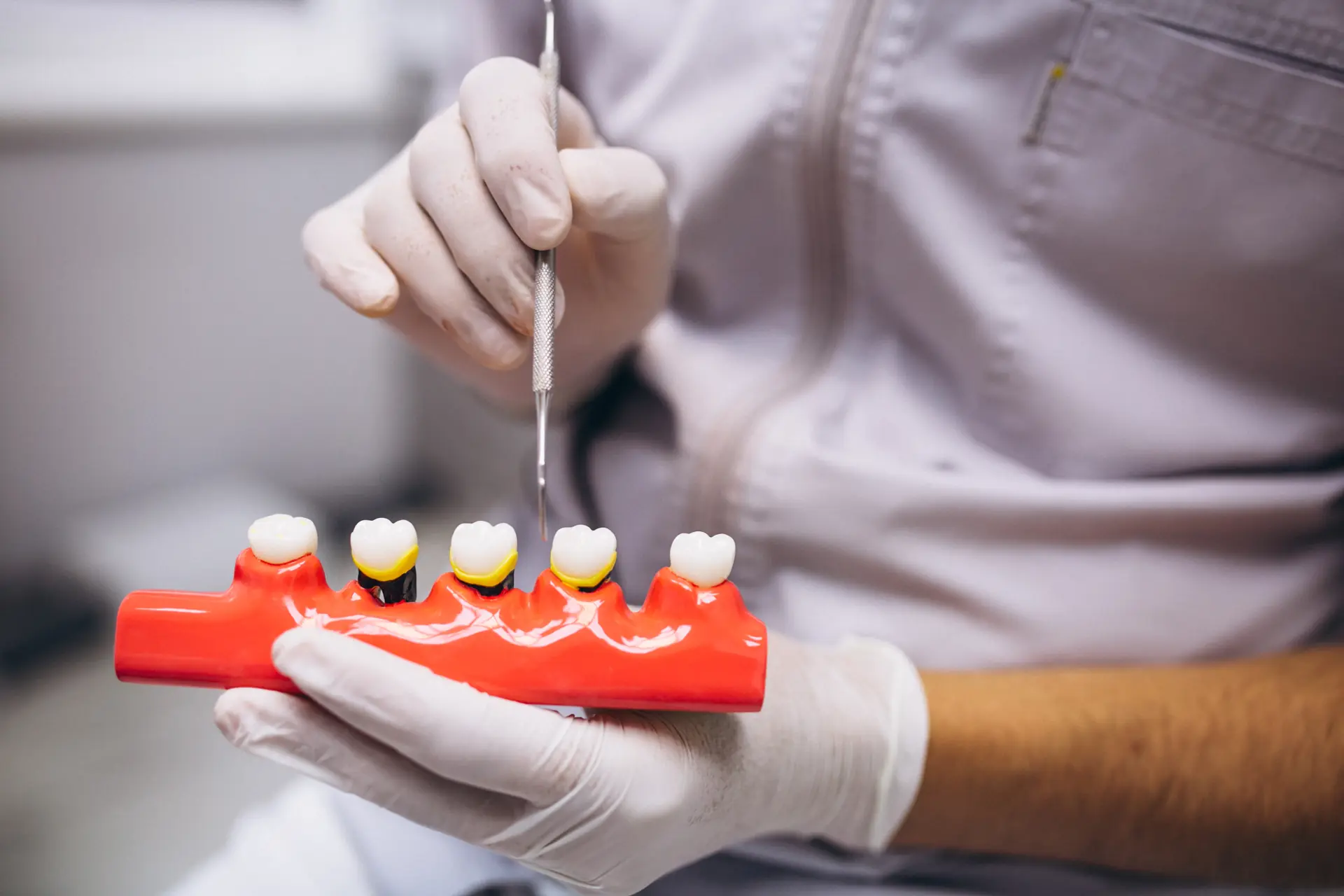
A toothbrush cleans many areas of your teeth, but it cannot fully reach the narrow spaces between them. That is where dental floss becomes important. Learning how to use dental floss correctly can help remove plaque and food particles from areas that brushing often misses.
Flossing is a simple part of daily oral hygiene, but technique matters. Moving floss quickly between your teeth is not enough. The floss needs to reach along the tooth surfaces and gently below the gumline without cutting or damaging the gums.
For patients seeking reliable guidance on daily dental care, choosing a trusted specialist at Pendik Dental Clinic provides personalized advice tailored to their teeth, gums, and overall oral health.
The goal is not to floss aggressively. The goal is to clean carefully and consistently. Use dental floss once a day, gently guide it around each tooth, and make sure to clean both sides of each tooth before finishing your oral hygiene routine.
Why Dental Floss Is Important
Dental floss is designed to clean the interdental spaces, the small areas between adjacent teeth. These spaces can collect dental plaque and food particles even when you brush carefully.
Plaque is a sticky layer of bacteria that develops on tooth surfaces. If it is not removed regularly, it can contribute to tooth decay and gum problems such as gingivitis.
Flossing helps clean areas that are difficult for toothbrush bristles cannot reach. It can therefore work together with brushing to provide more complete daily oral hygiene.
How to Use Dental Floss Correctly
The basic flossing technique is simple once you understand the correct movements.
01. Choose the Right Dental Floss
There are several types of dental floss available. Waxed dental floss can move more easily through tight spaces, while unwaxed dental floss is an option for those who prefer its texture.
Dental tape is wider and flatter than traditional floss and may feel more comfortable for some people. Fluoride-infused dental floss is another option available in some products.
If you have dental braces, dental implants, bridges, crowns, or very tight spaces between your teeth, your dentist or dental hygienist can recommend the most suitable interdental cleaning method.
02. Take Enough Floss
Use a piece of floss that gives you enough length to work with comfortably. Wrap most of the floss around the middle fingers of both hands and leave a few centimeters available between your fingers.
Hold the floss firmly between your thumb and index finger. Keep enough control over the floss so you can guide it accurately without snapping it against the gums.
03. Guide the Floss Between Your Teeth
Gently guide the floss between two teeth using a controlled back-and-forth movement. Do not force the floss downward if the space is tight.
Once the floss passes through the contact point, continue moving it carefully toward the gumline.
The key is gentle pressure. Floss should not be pushed forcefully into the gums because this can cause irritation or bleeding.
04. Form a C Shape Around the Tooth
One of the most important parts of the flossing technique is forming a C shape around the side of the tooth.
Curve the floss around one tooth so that it hugs the tooth surface. Move the floss gently up and down, extending slightly below the gumline.
Then repeat the same movement against the neighboring tooth.
This C-shaped flossing technique helps clean the tooth surface rather than simply passing the floss through the space and moving on.
05. Clean Every Tooth
Repeat the process between all of your teeth, including the back teeth.
Pay attention to molars and premolars because these areas can be more difficult to reach. Do not forget the inside surfaces of the front teeth.
Use a clean section of floss as you move from one interdental space to another. This helps avoid moving plaque and debris from one area to another.
When Should You Floss
The most important factor is consistency. Many people find it easier to floss at the same time every day, so it becomes part of their normal oral hygiene routine.
Some people prefer flossing before brushing because it can loosen plaque and food particles before the toothbrush is used. Others floss after brushing.
Either approach can be suitable when flossing is performed thoroughly and consistently. If your dentist has recommended a particular routine because of your oral health needs, follow that personalized advice.
What Happens If Your Gums Bleed While Flossing
Gum bleeding can happen when someone starts flossing after a period of inconsistent interdental cleaning. Inflamed gums can also bleed when plaque remains around the gumline.
However, repeated or heavy bleeding should not simply be ignored.
If your gums regularly bleed, feel swollen, appear red, or become tender, professional assessment can help identify the underlying cause. Gum inflammation may be associated with gingivitis or other periodontal problems.
Learn more about gum recession if you notice changes in the position or appearance of your gums.
Floss gently rather than stopping immediately because of minor bleeding. At the same time, persistent symptoms deserve attention from a dentist or dental hygienist.
Should You Floss Before or After Brushing
There is no need to turn oral hygiene into a complicated scheduling exercise.
Both flossing before brushing and flossing after brushing can be part of an effective routine. What matters most is cleaning the interdental spaces regularly and brushing the teeth properly.
Some people find flossing before brushing easier because it removes debris between the teeth beforehand. Others prefer to brush first because it fits better into their routine.
The best routine is one that you can perform correctly and consistently.
Dental Floss Alternatives
Traditional dental floss is not the only way to clean between teeth.
Floss Picks
A floss pick combines a short piece of floss with a small handle. It can be convenient for people who have difficulty handling traditional floss.
However, the same cleaning principles still apply. The floss should gently contact the sides of the teeth rather than simply moving through the gap.
Water Flosser
A water flosser uses a controlled stream of water to clean around teeth and along the gumline.
Water flossers can be useful for people with dental braces, orthodontic appliances, dental implants, or bridges, or who have difficulty using traditional floss.
They should not automatically be considered a replacement for every form of interdental cleaning. The most suitable option depends on the individual’s teeth, gums, dental work, and ability to use the device correctly.
Interdental Brush
An interdental brush has a small brush designed to clean between teeth. It can be especially useful when there are larger spaces between teeth.
The correct size is important. A dental professional can help determine the appropriate brush size without forcing the brush into the space.
Flossing With Dental Braces and Dental Work
People with dental braces often need additional care because brackets and wires create areas where plaque and food particles can collect.
Special flossing tools or orthodontic cleaning aids can make it easier to clean around orthodontic appliances.
Patients with dental implants, dental bridges, and dental crowns may also need specific cleaning techniques. These restorations require careful attention to the surrounding gumline and tooth surfaces.
Your dentist can show you how to clean around your specific dental work without putting unnecessary pressure on your gums or the restoration.
Common Flossing Mistakes to Avoid
Even people who floss every day can make mistakes.
Using the same section of floss repeatedly can spread debris between different areas. Snapping floss forcefully against the gums can also cause unnecessary irritation.
Another common mistake is cleaning only the front teeth while ignoring the back teeth. Some people also move the floss between the teeth but fail to curve it around each tooth surface.
Avoid rushing. Effective interdental cleaning requires controlled movements and attention to the gumline.
If you are unsure whether your technique is correct, a Professional dental examination can provide personalized guidance and help identify areas that need extra attention.
How Often Should You Floss
For most people, cleaning between the teeth once each day is a practical goal.
Daily flossing helps remove plaque before it has more time to accumulate around the teeth and gums. However, individual needs can vary.
People with dental braces, periodontal concerns, implants, bridges, or other dental conditions may require additional instructions from their dental professional.
Consistency is more valuable than occasional intensive cleaning. A gentle daily routine is easier to maintain and supports long-term oral hygiene.
When Should You See a Dentist
Flossing is an important part of preventive care, but it cannot replace professional dental examinations.
Schedule a dental visit if you experience persistent gum bleeding, swelling, pain, sensitivity, loose teeth, changes in the gums, or difficulty cleaning around dental work.
A dentist can examine the teeth and gums and determine whether plaque buildup, tooth decay, gingivitis, periodontal disease, or another issue may be contributing to your symptoms.
Regular professional care also allows problems to be identified before they become more difficult to manage.
Frequently Asked Questions
How do you use dental floss properly?
Guide the floss gently between two teeth, curve it around one tooth in a C shape, and move it up and down along the tooth surface and slightly below the gumline. Repeat the process on the neighboring tooth and continue around the entire mouth.
Is it better to floss before or after brushing?
Both can work as part of a good oral hygiene routine. Many people prefer flossing before brushing because it removes debris between the teeth, but consistency and proper technique are more important than the exact order.
How often should you use dental floss?
For most people, flossing once a day is recommended as part of regular interdental cleaning. Your dentist may suggest a different routine depending on your oral health and dental treatment.
Why do my gums bleed when I floss
Bleeding can occur when the gums are inflamed or when someone begins flossing after a period of inconsistent interdental cleaning. Persistent or heavy bleeding should be evaluated by a dentist, as it may indicate gum disease.
Can you floss with braces?
Yes. People with dental braces can floss, but they may need specialized techniques or tools to clean around brackets and wires. A dentist or orthodontic professional can demonstrate the appropriate method.
Is a water flosser better than dental floss?
A water flosser and traditional dental floss use different methods to clean between teeth. Neither option is automatically better for every person. The appropriate choice depends on individual dental needs, preferences, and dental work.
Key Takeaways
- Dental floss helps clean interdental spaces that toothbrushes may not reach effectively.
- Use gentle back-and-forth movements to guide floss between the teeth.
- Curve the floss around each tooth in a C shape and move it along the tooth surface.
- Clean both sides of every tooth, including the back teeth.
- Flossing once a day is a practical routine for most people.
- Floss picks, water flossers, and interdental brushes can be useful alternatives or additional cleaning tools for certain patients.
- People with braces, implants, bridges, crowns, or persistent gum problems may need personalized cleaning instructions.
- Persistent gum bleeding, swelling, pain, or other changes should be discussed with a dentist.
Conclusion
Knowing how to use dental floss correctly can make daily oral hygiene more effective and easier to maintain.
The process does not need to be complicated. Gentle movements, careful attention to the gumline, and consistent cleaning can help remove plaque and food particles from areas that brushing alone may miss.
Every mouth is different, especially when dental braces, implants, bridges, crowns, sensitive gums, or periodontal concerns are involved. Personalized professional guidance can help you choose the right cleaning method.
A healthy oral care routine combines daily home care with regular professional attention. Consistent flossing, effective brushing, and appropriate dental examinations can all play an important role in maintaining healthy teeth and gums over time.