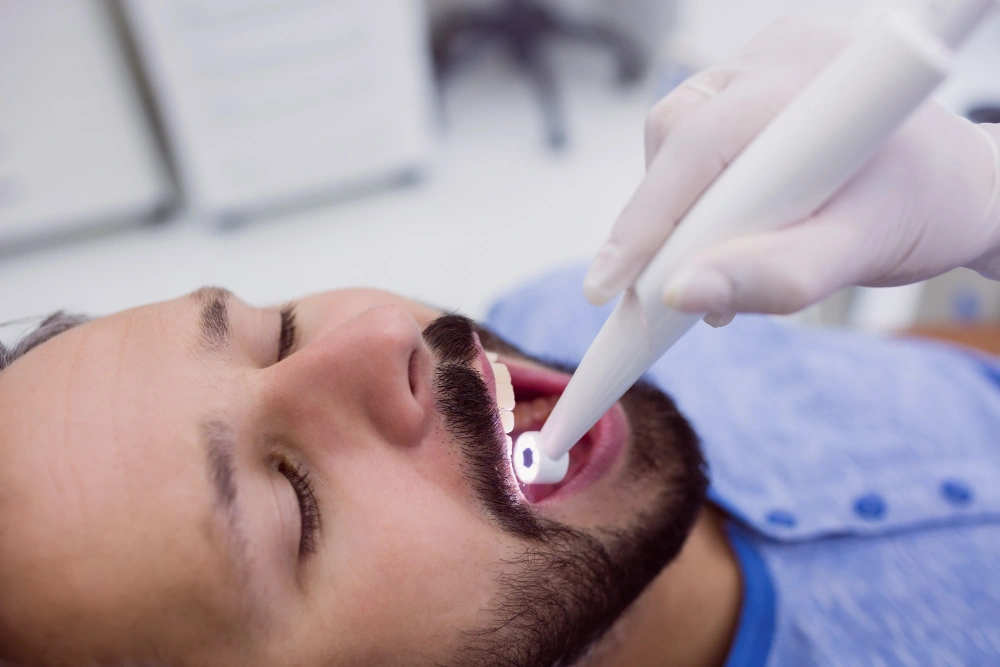
A tooth infection can be extremely painful and difficult to ignore.
It often starts as a small problem but can quickly turn into a serious dental issue if left untreated.
Many people search for ways to relieve the pain at home, but understanding the right treatment options is essential for protecting your oral health.
A tooth infection, also known as a dental abscess, happens when bacteria enter the inner part of the tooth.
This area contains nerves and blood vessels that keep the tooth healthy. When bacteria reach this part, the infection can cause swelling, severe pain, and the buildup of pus.
Knowing how to get rid of a tooth infection is important because untreated infections can spread to surrounding tissues and cause more serious health problems.
If you are experiencing persistent tooth pain or swelling, consulting a professional such as a trusted pendik dentist can help you receive the proper diagnosis and treatment.
In this guide, we will explore the causes of tooth infections, the symptoms to watch for, treatment options, and practical steps you can take to relieve pain and prevent future infections.
What Is a Tooth Infection?
A tooth infection occurs when bacteria invade the inner structure of the tooth. This area is called the pulp, and it contains nerves, blood vessels, and connective tissue.
When bacteria reach the pulp, the body responds by sending immune cells to fight the infection. This process can lead to the formation of pus and pressure inside the tooth, which causes intense pain.
In many cases, the infection forms a pocket of pus called a dental abscess. Abscesses can develop at different parts of the tooth or gum.
Dentists usually classify tooth infections into three main types.
1- Periapical Abscess
This type of infection forms at the tip of the tooth root.
It usually develops when untreated cavities allow bacteria to travel through the tooth enamel and dentin into the pulp.
2- Periodontal Abscess
A periodontal abscess begins in the gum tissue surrounding a tooth. It often occurs in people who have advanced gum disease.
3- Gingival Abscess
This infection is limited to the gum tissue and does not affect the tooth root.
Food particles or foreign objects trapped in the gum can sometimes cause this type of infection.
What Causes a Tooth Infection?
Tooth infections usually develop when bacteria enter the tooth through damaged areas.
Several factors can increase the risk of developing a dental infection.
Tooth Decay
Cavities are one of the most common causes of tooth infections.
When decay reaches the inner layers of the tooth, bacteria can easily infect the pulp.
Cracked or Broken Teeth
A cracked tooth creates an opening for bacteria to enter the inner structure of the tooth.
Even small cracks can allow bacteria to reach the pulp over time.
Gum Disease
Gum disease weakens the tissues that support the teeth.
This makes it easier for bacteria to spread around the roots and cause infection.
Poor Oral Hygiene
Not brushing or flossing regularly allows plaque and bacteria to build up.
Over time, this buildup can lead to cavities and gum infections.
Previous Dental Work
Old fillings, crowns, or dental restorations may sometimes allow bacteria to enter the tooth if they become damaged or loose.
Common Symptoms of a Tooth Infection
Recognizing the early signs of a tooth infection can help you seek treatment before the problem becomes more serious.
Some of the most common symptoms include:
- Severe toothache that may feel throbbing or constant
- Sensitivity to hot or cold foods and drinks
- Swelling in the gums, jaw, or face
- Pain when chewing or biting
- Bad taste in the mouth
- Fever
- Swollen lymph nodes under the jaw
- Difficulty opening the mouth
In some cases, a small bump filled with pus may appear on the gums near the infected tooth.
If the infection spreads, symptoms such as facial swelling, difficulty breathing, or trouble swallowing may occur. These symptoms require immediate medical attention.
How to Get Rid of a Tooth Infection
The most effective way to get rid of a tooth infection is through professional dental treatment.
Home remedies may temporarily reduce pain or swelling, but they cannot remove the infection completely.
A dentist will examine the tooth and determine the best treatment option based on the severity of the infection.
Professional Dental Treatments for Tooth Infection
Dentists use several treatments to eliminate infection and restore oral health.
Root Canal Treatment
A root canal is one of the most common treatments for an infected tooth. During this procedure, the dentist removes the infected pulp from inside the tooth. The inner space is then cleaned, disinfected, and sealed to prevent bacteria from returning. Root canal treatment allows patients to keep their natural tooth while removing the infection.
Tooth Extraction
In some cases, the tooth may be too damaged to save.
When this happens, the dentist may recommend removing the tooth to stop the infection from spreading. After the extraction, the surrounding area is carefully cleaned to remove any remaining bacteria.
Abscess Drainage
If a large pocket of pus has formed, the dentist may make a small incision to drain the abscess. This procedure helps relieve pressure and reduces pain.
Antibiotics
Dentists sometimes prescribe antibiotics to control bacterial infections. Antibiotics are especially helpful if the infection has spread to surrounding tissues.
However, antibiotics alone cannot cure the infection without treating the source of the problem.
Home Remedies to Relieve Tooth Infection Pain
While professional treatment is necessary to fully remove a tooth infection, some home remedies may help reduce discomfort temporarily.
These remedies can be useful while waiting for your dental appointment.
Salt Water Rinse
Rinsing with warm salt water helps clean the mouth and reduce bacteria. It may also soothe irritated gum tissue. Mix half a teaspoon of salt in a glass of warm water and rinse your mouth gently.
Cold Compress
A cold compress applied to the outside of the cheek can reduce swelling and numb the area. This can help relieve pain caused by inflammation.
Clove Oil
Clove oil has natural antibacterial and pain relieving properties.
Applying a small amount to the affected area may provide temporary relief.
Over the Counter Pain Relievers
Non-prescription pain relievers can help manage discomfort. Always follow recommended dosages and consult a healthcare professional if necessary.
How Long Does It Take for a Tooth Infection to Go Away?
The recovery time for a tooth infection depends on the type of treatment used and the severity of the infection. After procedures such as a root canal or abscess drainage, many patients begin to feel relief within a few days.
Complete healing may take several days or weeks depending on the individual case. Prompt treatment usually leads to faster recovery and fewer complications.
Can a Tooth Infection Heal on Its Own?
A tooth infection will not heal on its own.
The bacteria causing the infection must be removed through dental treatment. Ignoring the infection can allow it to spread to nearby tissues, the jawbone, or other parts of the body. Early treatment is always the safest and most effective option.
What Happens If a Tooth Infection Is Left Untreated?
Leaving a tooth infection untreated can lead to serious health complications. The infection may spread to surrounding tissues or enter the bloodstream. Possible complications include jawbone infection, sinus infection, and widespread infection in the body. Seeking professional dental care quickly helps prevent these risks.
How to Prevent Tooth Infections
Preventing tooth infections starts with maintaining good oral hygiene and scheduling regular dental checkups.
Here are some important preventive steps.
- Brush your teeth twice a day using fluoride toothpaste.
- Floss daily to remove plaque between teeth.
- Visit your dentist regularly for professional cleanings and checkups.
- Limit sugary foods and drinks that contribute to tooth decay.
- Treat cavities and dental problems early before they become more serious.
- Replacing damaged fillings or crowns can also help protect your teeth from infection.
Practical Tips for Maintaining Healthy Teeth
- Healthy habits play a big role in preventing dental problems.
- Drinking plenty of water helps wash away food particles and bacteria.
- Eating a balanced diet rich in calcium and vitamins strengthens tooth enamel.
- Using a soft bristled toothbrush protects the gums while cleaning the teeth effectively.
- Small daily habits can make a significant difference in maintaining long term oral health.
Conclusion
A tooth infection is a serious dental condition that requires prompt attention.
Understanding how to get rid of a tooth infection can help you take the right steps to protect your oral health.
Professional dental treatments such as root canal therapy, abscess drainage, and tooth extraction are the most effective ways to eliminate infection.
Home remedies may help relieve pain temporarily, but they should never replace professional dental care.
If you experience persistent tooth pain, swelling, or signs of infection, seeking help from a qualified dentist is essential.
With proper treatment and good oral hygiene habits, you can prevent future infections and maintain a healthy, confident smile.