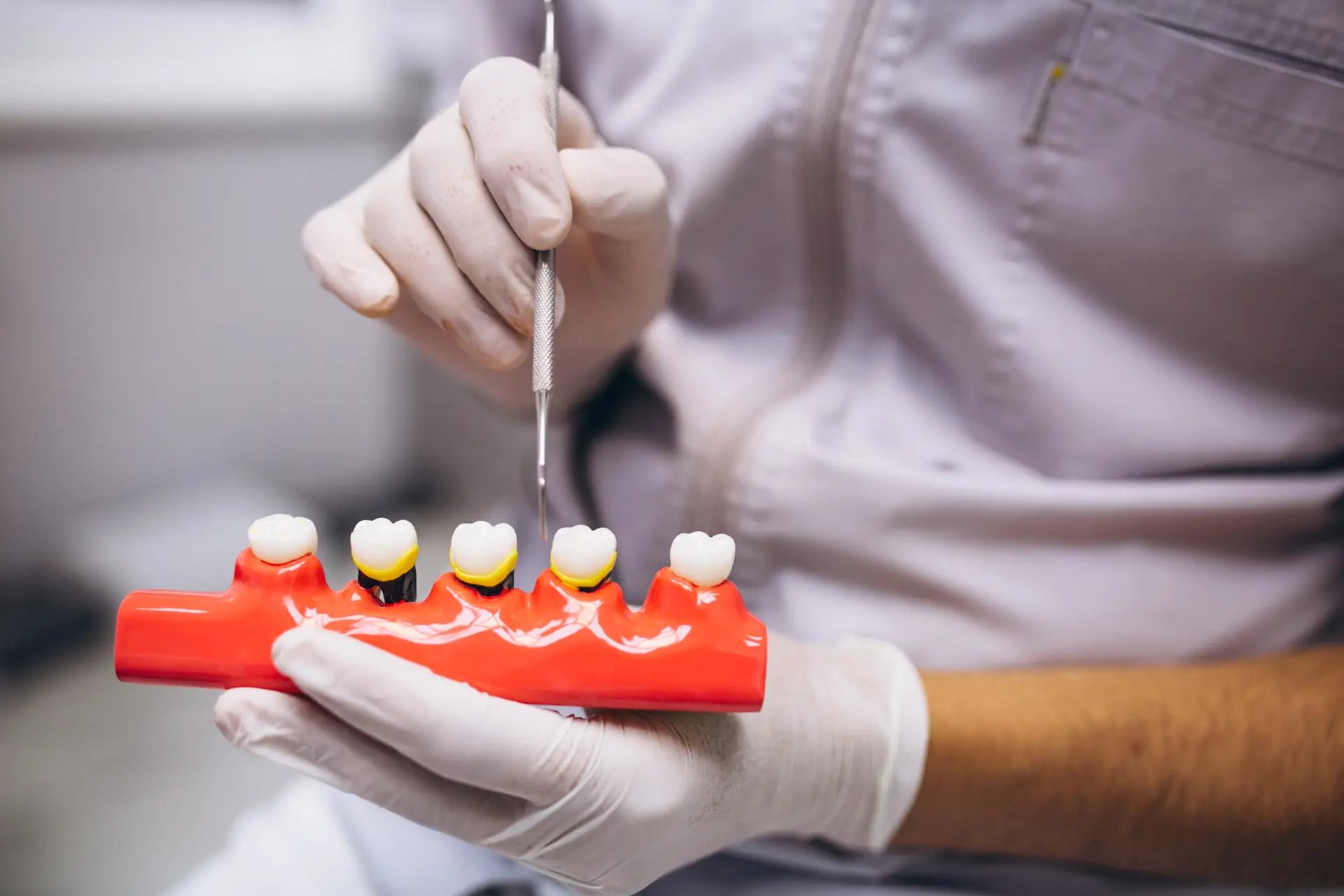
A healthy smile does much more than improve appearance. It helps you eat comfortably, speak clearly, and maintain good oral health for years to come.
Unfortunately, teeth can become damaged due to decay, injury, infection, or normal wear over time.
This is where restorative dentistry plays an important role.
Restorative dentistry focuses on repairing or replacing damaged, weakened, or missing teeth. The goal is to restore the function, health, and structure of your teeth so you can enjoy daily activities without discomfort or difficulty.
Whether you have a cavity, a cracked tooth, or missing teeth, modern dental treatments offer effective solutions that can help restore your smile and confidence.
If you are looking for professional guidance on improving your oral health, visiting a trusted Pendik Dental Clinic can help you understand which treatment options may be suitable for your needs.
In this guide, we will explain everything you need to know about restorative dentistry, including common procedures, benefits, and when treatment may be necessary.
What Is Restorative Dentistry?
Restorative dentistry is a branch of dental care that focuses on repairing damaged teeth and replacing missing teeth.
The main purpose is to restore normal function, improve oral health, and help patients maintain a complete and healthy smile.
Unlike treatments that focus mainly on appearance, restorative procedures address problems that affect how the teeth and mouth work. These treatments help patients chew food properly, speak comfortably, and prevent additional oral health complications.
Restorative dentistry involves dental treatments that repair, strengthen, or replace teeth affected by decay, injury, infection, or tooth loss.
Why Is Restorative Dentistry Important?
When dental problems are left untreated, they often become more serious over time.
A small cavity may develop into a larger area of decay. A cracked tooth can weaken further and become vulnerable to infection. Missing teeth may lead to shifting teeth, bite problems, and bone loss in the jaw.
Restorative treatments help prevent these issues while preserving as much natural tooth structure as possible.
Some important reasons restorative dentistry is beneficial include:
- Restores chewing ability
- Improves speech
- Prevents further damage
- Replaces missing teeth
- Supports overall oral health
- Improves comfort and confidence
- Helps maintain proper bite alignment
Common Restorative Dentistry Procedures
Several treatments fall under restorative dentistry. The right option depends on the condition of the teeth and the patient’s individual needs.
Dental Fillings
Dental fillings are among the most common restorative procedures.
When a cavity develops, the decayed portion of the tooth is removed. The area is then filled with a durable material to restore the tooth’s shape and function.
Modern fillings can blend naturally with the surrounding teeth, making them a popular option for repairing minor damage.
Dental fillings are commonly used for:
- Tooth decay
- Small fractures
- Minor tooth wear
Dental Crowns
A dental crown is a custom-made cap that covers a damaged or weakened tooth.
Crowns help restore strength, function, and appearance while protecting the remaining tooth structure.
A crown may be recommended when a tooth:
- Has extensive decay
- Is severely worn down
- Has a large filling
- Has undergone root canal treatment
- Is cracked or weakened
Crowns are designed to function similarly to natural teeth and can last many years with proper care.
Dental Bridges
A dental bridge is used to replace one or more missing teeth.
The bridge is secured using the neighboring teeth or dental implants for support. It fills the gap left by missing teeth and helps restore chewing function and appearance.
Benefits of bridges include:
- Improved chewing ability
- Better speech
- Prevention of tooth shifting
- Enhanced smile appearance
Dental Implants
Dental implants are considered one of the most advanced solutions for replacing missing teeth.
An implant consists of a titanium post placed into the jawbone, which acts as an artificial tooth root. A custom restoration is then attached to create a natural-looking replacement tooth.
Dental implants offer several advantages:
- Long-term stability
- Natural appearance
- Preservation of jawbone structure
- Improved comfort
- Strong chewing performance
Many patients choose implants because they closely resemble natural teeth in both appearance and function.
Dentures
Dentures are removable appliances designed to replace multiple missing teeth.
They may be recommended for individuals who have lost several teeth or an entire dental arch.
There are different types of dentures, including:
Full Dentures
Full dentures replace all teeth in the upper or lower jaw.
Partial Dentures
Partial dentures replace several missing teeth while remaining natural teeth stay in place.
Modern dentures are designed to provide improved comfort, function, and aesthetics compared to older designs.
Root Canal Treatment
When infection reaches the inner part of a tooth, root canal treatment may be necessary.
During the procedure, infected tissue is removed from inside the tooth. The area is cleaned and sealed to prevent further infection.
Root canal treatment allows many patients to save natural teeth that might otherwise require extraction.
Inlays and Onlays
Inlays and onlays are custom restorations used when damage is too extensive for a filling but does not require a full crown.
These restorations help strengthen the tooth while preserving more natural tooth structure.
They are often recommended for moderate tooth damage or decay.
Who May Need Restorative Dentistry?
Many people can benefit from restorative treatments.
You may be a candidate if you have:
- Cavities
- Broken teeth
- Chipped teeth
- Cracked teeth
- Missing teeth
- Worn teeth
- Tooth infections
- Large existing fillings
- Difficulty chewing
- Dental trauma from accidents
A dental examination can determine the most appropriate treatment based on your oral health condition.
What Happens During a Restorative Dentistry Consultation?
The treatment process typically begins with a comprehensive dental examination.
During the appointment, the dentist may:
- Review your dental history
- Examine your teeth and gums
- Take digital images if necessary
- Discuss symptoms and concerns
- Explain available treatment options
A personalized treatment plan is then created based on your needs.
Every patient is different, which is why treatment recommendations can vary depending on the condition of the teeth and overall oral health.
Benefits of Restorative Dentistry
Restorative treatments offer advantages that extend beyond appearance.
Improved Oral Function
Damaged or missing teeth can make eating difficult.
Restorative procedures help restore normal chewing function and improve daily comfort.
Better Oral Health
Repairing dental problems early helps prevent more extensive issues from developing later.
This supports long-term oral health and stability.
Enhanced Comfort
Tooth decay, fractures, and infections often cause discomfort.
Addressing these problems can help relieve pain and improve quality of life.
Natural Looking Results
Modern dental materials are designed to blend naturally with existing teeth.
Many restorations are difficult to distinguish from natural teeth.
Increased Confidence
A complete and healthy smile often helps patients feel more comfortable in social and professional situations.
How to Care for Restored Teeth
Good oral hygiene remains essential after restorative treatment.
Proper care can help extend the lifespan of restorations and maintain oral health.
Some important habits include:
- Brushing twice daily
- Flossing every day
- Using fluoride toothpaste
- Attending regular dental checkups
- Limiting sugary foods and drinks
- Avoiding chewing hard objects such as ice
Following your dentist’s recommendations can help protect both natural teeth and restorations.
Can Restorative Dentistry Prevent Future Problems?
While restorative procedures primarily address existing dental concerns, they can also help reduce the risk of future complications.
For example:
- Filling cavities prevents further decay.
- Replacing missing teeth helps maintain alignment.
- Crowns protect weakened teeth from additional damage.
- Root canal treatment prevents the spread of infection.
Early intervention often leads to better long-term outcomes and helps preserve natural teeth whenever possible.
Frequently Asked Questions
Is restorative dentistry only for older adults?
No. People of all ages may require restorative treatment due to cavities, injuries, tooth wear, or other dental conditions.
Are restorative procedures painful?
Modern dental techniques and anesthesia help make treatments comfortable for most patients. Your dentist can explain what to expect before the procedure.
How long do restorations last?
The lifespan varies depending on the type of restoration, oral hygiene habits, and regular dental care. Many restorations can last for years when properly maintained.
Can missing teeth affect oral health?
Yes. Missing teeth can impact chewing, speech, bite alignment, and jawbone health. Replacing missing teeth can help prevent these complications.
Is restorative dentistry the same as general dentistry?
Not exactly. General dentistry includes preventive care and routine checkups, while restorative dentistry focuses on repairing or replacing damaged teeth.
Conclusion
Restorative dentistry plays a vital role in maintaining a healthy, functional smile. Whether you are dealing with tooth decay, damaged teeth, or tooth loss, modern dental treatments can help restore both oral health and daily comfort.
From fillings and crowns to implants and dentures, these procedures are designed to repair damage, replace missing teeth, and support long-term dental wellness.
Seeking treatment early can often prevent more complex dental issues and help preserve your natural teeth whenever possible. By combining professional care with good oral hygiene habits, you can enjoy a stronger, healthier smile for years to come.