Have you ever noticed a hard yellow or brown layer on teeth that does not go away with brushing? Many people think it is just a stain. In reality, it is often dental calculus.
Dental calculus is a very common oral health problem. It can appear on anyone’s teeth when plaque is not removed properly. Over time, this plaque becomes hard and sticks strongly to the tooth surface.
Understanding what dental calculus is and how it forms is important for protecting your teeth and gums. If it is not treated early, it can lead to gum disease, bad breath, and even tooth loss.
If you are unsure about buildup on your teeth, visiting a professional, such as a Airport Dent, can help identify the problem and provide proper treatment.
In this guide, we will explain what dental calculus is, why it forms, how dentists remove it, and what you can do to prevent it.
What Is Dental Calculus?
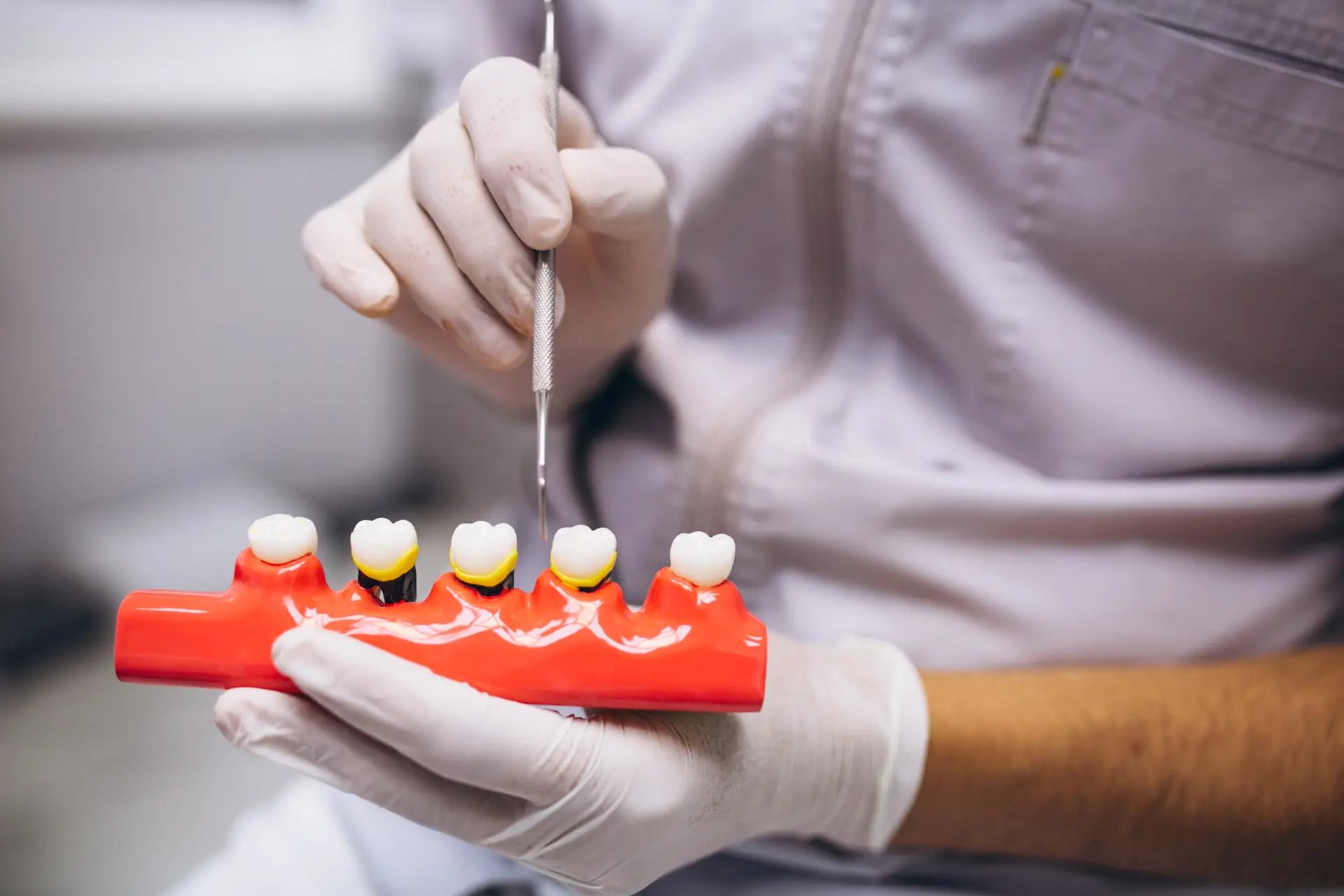
Dental calculus, also known as tartar, is hardened plaque that forms on teeth.
Plaque is a sticky film made of bacteria, food particles, and saliva. It constantly forms on teeth during the day. If plaque is not removed by brushing and flossing, minerals from saliva cause it to harden.
Once plaque hardens, it becomes dental calculus.
Unlike plaque, calculus cannot be removed with normal brushing. It sticks strongly to the tooth surface and often builds up near the gum line.
This hardened deposit creates a rough surface that attracts even more plaque. As a result, the problem continues to grow if it is not treated.
Is Dental Calculus the Same as Tartar?
Yes, dental calculus and tartar are the same thing.
Dentists often use the term calculus in clinical settings, while tartar is the word most people use in everyday language.
Both terms describe hardened plaque that attaches to the teeth and requires professional cleaning to remove.
What Does Dental Calculus Look Like?
Dental calculus can appear in different colors and shapes depending on where it forms.
It may look like:
- Yellow deposits along the gum line
- Brown or dark stains on teeth
- Hard crusty layers on tooth surfaces
Sometimes calculus forms behind the teeth where it is harder to see. In other cases, it can appear between teeth or below the gums.
Dentists often detect it during routine dental examinations.
How Does Dental Calculus Form on Teeth?
Dental calculus forms through a gradual process.
First, plaque begins to develop on the teeth after eating. The bacteria in plaque feed on sugars and release acids.
If plaque remains on the teeth for many hours, minerals from saliva start to harden it. This process can begin within 24 to 72 hours.
Once hardened, plaque becomes calculus and cannot be removed with regular brushing. The longer it stays on the teeth, the thicker it becomes.
Common Places Where Calculus Builds Up
Dental calculus often forms in areas where plaque collects easily.
These areas include:
- Along the gum line
- Behind the lower front teeth
- Between teeth
- Around dental restorations
- Around orthodontic appliances
Saliva glands under the tongue often contribute to buildup behind the lower front teeth. These areas receive more minerals that help plaque harden quickly.
What Causes Dental Calculus?
Several factors can increase the risk of calculus buildup.
Poor Brushing and Flossing
- Not brushing properly allows plaque to stay on the teeth for long periods.
- Without flossing, plaque between teeth also remains untouched.
- Over time, this plaque hardens and turns into calculus.
Sugary and Starchy Foods
- Foods high in sugar feed bacteria in the mouth.
- These bacteria produce plaque faster, which increases the chance of tartar buildup.
Smoking and Tobacco Use
- Smoking is strongly linked to calculus buildup.
- Tobacco affects saliva flow and encourages plaque to stick to teeth.
Dry Mouth
- Saliva helps wash away bacteria and food particles.
- When the mouth is dry, plaque can build up more quickly.
Types of Dental Calculus
Dentists classify dental calculus into two main types.
Supragingival Calculus
This type forms above the gum line.
It is usually visible and appears as yellow or white deposits on the teeth.
Supragingival calculus is easier for dentists to remove during routine cleaning.
Subgingival Calculus
This type forms below the gum line.
It is often darker in color and can be harder to detect.
Subgingival calculus is more dangerous because it can damage the gums and supporting bone.
Signs and Symptoms of Dental Calculus
Dental calculus may not cause pain at first. However, it often produces noticeable signs.
Common symptoms include:
- Yellow or brown buildup on teeth
- Persistent bad breath
- Bleeding gums when brushing
- Swollen or red gums
- Gum recession
When calculus stays on the teeth for long periods, it can lead to gum disease.
Why Is Dental Calculus Harmful?
Dental calculus is not just a cosmetic issue. It can seriously affect oral health.
Gum Disease
The rough surface of calculus allows bacteria to grow easily.
These bacteria irritate the gums and lead to inflammation.
If untreated, this condition can progress to periodontal disease.
Tooth Decay
Bacteria trapped around calculus produce acids that damage tooth enamel.
This can eventually lead to cavities.
Persistent Bad Breath
Bacteria living in calculus release unpleasant odors.
This is a common cause of chronic bad breath.
Can Dental Calculus Be Removed at Home?
Once plaque turns into calculus, it cannot be safely removed at home.
Brushing harder or using sharp objects may damage teeth and gums.
Professional dental cleaning is the safest and most effective way to remove calculus.
Dentists use special tools designed to remove hardened deposits without harming the teeth.
How Dentists Remove Dental Calculus
Dental professionals use a procedure called dental scaling.
During scaling, dentists remove calculus from the tooth surface and along the gum line. Special tools called scalers or ultrasonic devices are used to break apart the hardened deposits. In cases where calculus extends below the gums, a deeper cleaning called root planing may be recommended. This treatment smooths the tooth root and helps gums reattach to the tooth.
Is Calculus Removal Painful?
Most patients experience little discomfort during calculus removal. For deeper cleanings, dentists may use local anesthesia to keep patients comfortable. After treatment, gums may feel slightly sensitive for a short time.
However, this usually improves quickly as the gums begin to heal.
How to Prevent Dental Calculus Build Up
Preventing calculus is much easier than removing it.
Simple daily habits can significantly reduce plaque buildup.
Brush Twice a Day
Use a fluoride toothpaste and brush for at least two minutes.
Make sure to clean along the gum line where plaque often collects.
Floss Every Day
Flossing removes plaque from areas your toothbrush cannot reach.
Daily flossing plays a major role in preventing tartar formation.
Use Antibacterial Mouthwash
Mouthwash helps reduce bacteria in the mouth.
This can slow plaque formation.
Visit Your Dentist Regularly
Routine dental checkups help detect plaque buildup early.
Professional cleanings remove plaque before it becomes calculus.
If you are also interested in improving the appearance of your smile after professional cleaning, treatments such as teeth whitening in Kurtköy can help remove stains and brighten teeth.
Who Is More Likely to Develop Dental Calculus?
Some people are more prone to calculus buildup.
Risk factors include:
- Poor oral hygiene
- Smoking
- Dry mouth
- Crooked teeth
- Wearing braces
Age can also play a role. As people get older, tartar buildup may occur more frequently.
Dental Calculus vs Plaque
- Plaque and calculus are closely related but they are not the same.
- Plaque is soft and sticky.
- It can be removed easily with proper brushing and flossing.
- Calculus is hardened plaque.
- Once it forms, it requires professional dental tools for removal.
- This is why daily oral care is so important.
When Should You See a Dentist?
You should see a dentist if you notice:
- Hard deposits on your teeth
- Gums that bleed often
- Persistent bad breath
- Gum swelling
Early treatment prevents more serious dental problems from developing.
Regular dental visits also help maintain long term oral health.
Frequently Asked Questions About Dental Calculus
How fast does dental calculus form?
Plaque can begin to harden into calculus within two to three days if it is not removed.
Can dental calculus fall off on its own?
In rare cases, small pieces may break off. However, most calculus remains attached until a dentist removes it.
Can baking soda remove dental calculus?
Baking soda may help remove surface stains but it cannot remove hardened tartar.
Professional cleaning is required.
Does dental calculus cause bad breath?
Yes. The bacteria living in calculus produce unpleasant odors that contribute to bad breath.
Conclusion
Dental calculus is a hardened form of plaque that can strongly attach to the teeth and gums. Although it may begin as a small buildup, it can lead to serious oral health problems if left untreated. The good news is that calculus can be prevented with proper oral hygiene and regular dental care.
Brushing, flossing, and visiting your dentist regularly are the best ways to keep your teeth clean and healthy. By understanding what dental calculus is and how it forms, you can take simple steps to protect your smile for years to come.