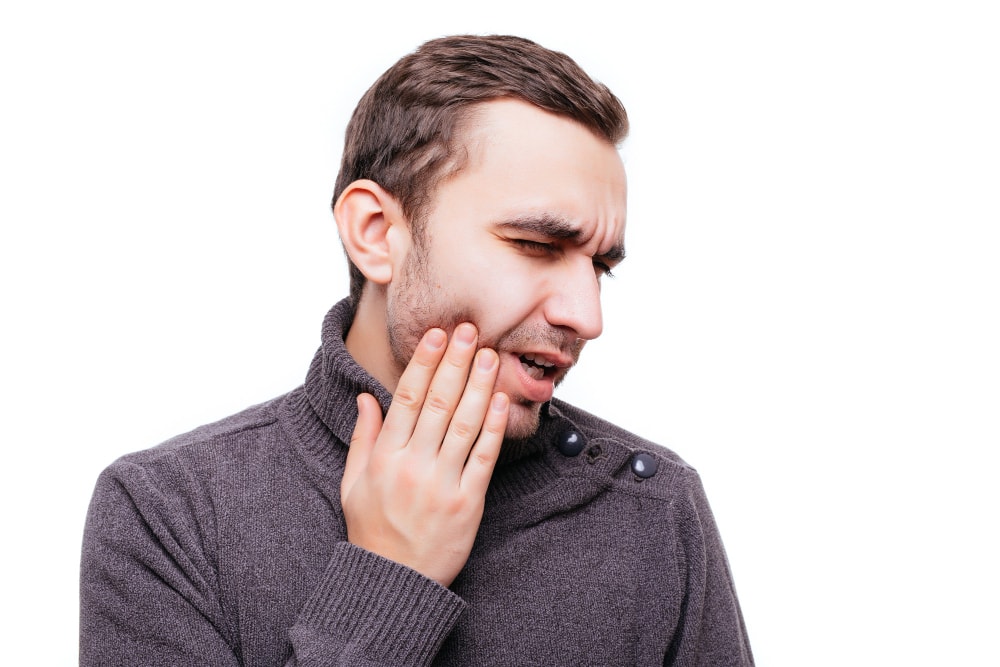
A toothache that keeps you awake at night can be exhausting and overwhelming.
When the world goes quiet, dental pain often feels sharper and more intense. Many people find themselves searching for immediate relief, unsure of what is safe to do until they can see a dentist.
If you are wondering how to get rid of a toothache that won’t let you sleep, this guide will help you understand the reasons behind nighttime tooth pain and what steps you can take to manage it safely.
You will learn about common causes of toothaches, effective home remedies, pain relief options, and the warning signs that mean it is time to seek urgent dental care.
Why Toothache Pain Gets Worse at Night
Tooth pain often becomes more noticeable and severe once you lie down.
When you are flat on your back, blood flow to the head increases. If there is inflammation, decay, or infection around a tooth, this extra pressure can intensify pain.
During the day, standing and moving around helps reduce pressure in the jaw. At night, the pressure builds and pain signals feel stronger.
Another reason is reduced distraction. Without daily activities occupying your mind, your brain becomes more aware of discomfort.
The body also releases fewer natural pain regulating hormones at night, which can make tooth pain feel sharper and harder to ignore.
Common Causes of Severe Toothache at Night
Nighttime tooth pain is usually a sign of an underlying dental issue that should not be ignored.
Understanding the possible cause can help you manage pain more effectively until professional care is available.
Tooth Decay or Cavities
Cavities develop when bacteria break down tooth enamel and expose the sensitive inner layers.
As decay progresses, pain becomes more noticeable, especially at night when saliva flow decreases.
Exposed Tooth Nerves
When enamel wears down or gums recede, tooth nerves may become exposed.
This can cause sudden, sharp pain when lying down or breathing in cooler nighttime air.
Gum Infection or Abscess
A dental abscess is a serious infection that forms near the tooth root or gums.
Pain from an abscess is often constant, throbbing, and worse at night. Swelling, fever, or a bad taste may also occur.
Cracked or Broken Tooth
Small cracks are not always obvious during the day.
At night, jaw clenching or teeth grinding can put pressure on the crack and trigger pain.
Wisdom Tooth Pain
Wisdom teeth that are partially erupted can trap food and bacteria.
This often leads to inflammation and pain that becomes more noticeable when lying down.
Quick Home Remedies for Toothache Relief Before Bed
If tooth pain starts at night, certain home remedies may help reduce discomfort temporarily.
These methods do not treat the root cause, but they may help you rest until you can see a dentist.
1- Rinse With Warm Salt Water
Salt water helps reduce bacteria and soothe irritated tissues.
Mix half a teaspoon of salt in a cup of warm water. Swish gently for thirty seconds and spit it out.
This can be repeated before bedtime.
2- Apply a Cold Compress
Cold helps numb pain and reduce swelling.
Wrap ice in a cloth and apply it to the outside of your cheek for fifteen minutes at a time.
Avoid placing ice directly on the tooth.
3- Use Clove Oil Carefully
Clove oil contains a natural compound that can temporarily numb pain.
Apply a small amount to a cotton ball and gently place it near the affected tooth.
Do not swallow the oil or apply it directly to gums for extended periods.
Keep Your Head Elevated While Sleeping
Raising your head helps reduce blood pressure in the jaw.
Using an extra pillow may reduce throbbing pain and make sleep easier.
Avoid Sugary or Hot Foods at Night
Sugar feeds bacteria and heat can increase nerve sensitivity.
Stick to mild foods and avoid eating close to bedtime.
Numbing Gels and Oral Anesthetics
Topical oral gels can temporarily numb pain.
Use sparingly and follow label instructions carefully.
How to Sleep With a Toothache Without Making It Worse
Small adjustments can help reduce pain during sleep.
Best Sleeping Positions for Tooth Pain
Sleep on the side opposite the painful tooth.
Keep your head elevated to reduce pressure in the jaw.
What Not to Do Before Going to Bed
Avoid alcohol and smoking, as both can worsen inflammation.
Do not chew on the painful side of your mouth.
Avoid using heat near the jaw.
When a Toothache Is an Emergency
Some symptoms mean a toothache needs immediate attention.
- Severe swelling of the face or jaw
- Fever or chills
- Difficulty breathing or swallowing
- Pain lasting more than two days
These signs may indicate a serious infection.
If your toothache keeps you awake at night, it may be a sign that professional care is needed sooner rather than later.
Getting timely support from an experienced Pendik dentist can help identify the cause of the pain and prevent complications such as infection or nerve damage.
Early evaluation not only relieves discomfort but also protects your long-term oral health and sleep quality.
How Dentists Treat Toothaches That Prevent Sleep
Dentists focus on treating the cause of pain rather than masking symptoms.
Treatment may involve removing decay, placing a filling, treating infection, or managing gum disease.
Remember: Professional care not only relieves pain but also protects long-term oral health.
How to Prevent Toothaches From Ruining Your Sleep Again
Preventive care reduces the risk of nighttime tooth pain.
Brush twice daily with fluoride toothpaste.
Floss every day.
Avoid sugary snacks before bedtime.
Wear a night guard if you grind your teeth.
Schedule regular dental checkups.
Frequently Asked Questions About Toothache Pain at Night
Why does my tooth hurt only at night
Pain becomes more noticeable due to increased blood flow to the head, fewer distractions, and changes in pain regulation at night.
Can a toothache go away on its own
Pain may fade temporarily, but the underlying issue often remains and can worsen.
What is the fastest way to stop tooth pain
Cold compresses, salt water rinses, and appropriate pain relievers can provide short term relief.
Conclusion
A toothache that will not let you sleep is a sign that something needs attention.
While home remedies may help you get through the night, they are not permanent solutions.
The safest way to get rid of a toothache that won’t let you sleep is to combine temporary relief with timely professional dental care.
Early treatment protects your oral health and helps restore restful, pain free sleep.