Have you ever taken a sip of cold water or eaten ice cream and felt a sudden sharp pain in your teeth? If yes, you are not alone.
Tooth sensitivity is a very common dental problem. Millions of people experience discomfort when eating hot, cold, sweet, or acidic foods. The pain can feel quick and sharp, but sometimes it can also last longer.
Many people ask the same question: what is good for tooth sensitivity?
The good news is that there are many ways to reduce tooth sensitivity and protect your teeth. Simple daily habits and professional dental care can make a big difference.
If the discomfort continues for a long time, it is always best to consult a dental professional such as a trusted Airport Dent in Kurtköy istanbul to identify the exact cause and recommend the right treatment.
In this guide, we will explain everything you need to know about tooth sensitivity.
You will learn the causes, the best home remedies, foods to avoid, and treatments that dentists recommend.
What Is Tooth Sensitivity?
Tooth sensitivity happens when the protective layer of the tooth becomes thinner or damaged.
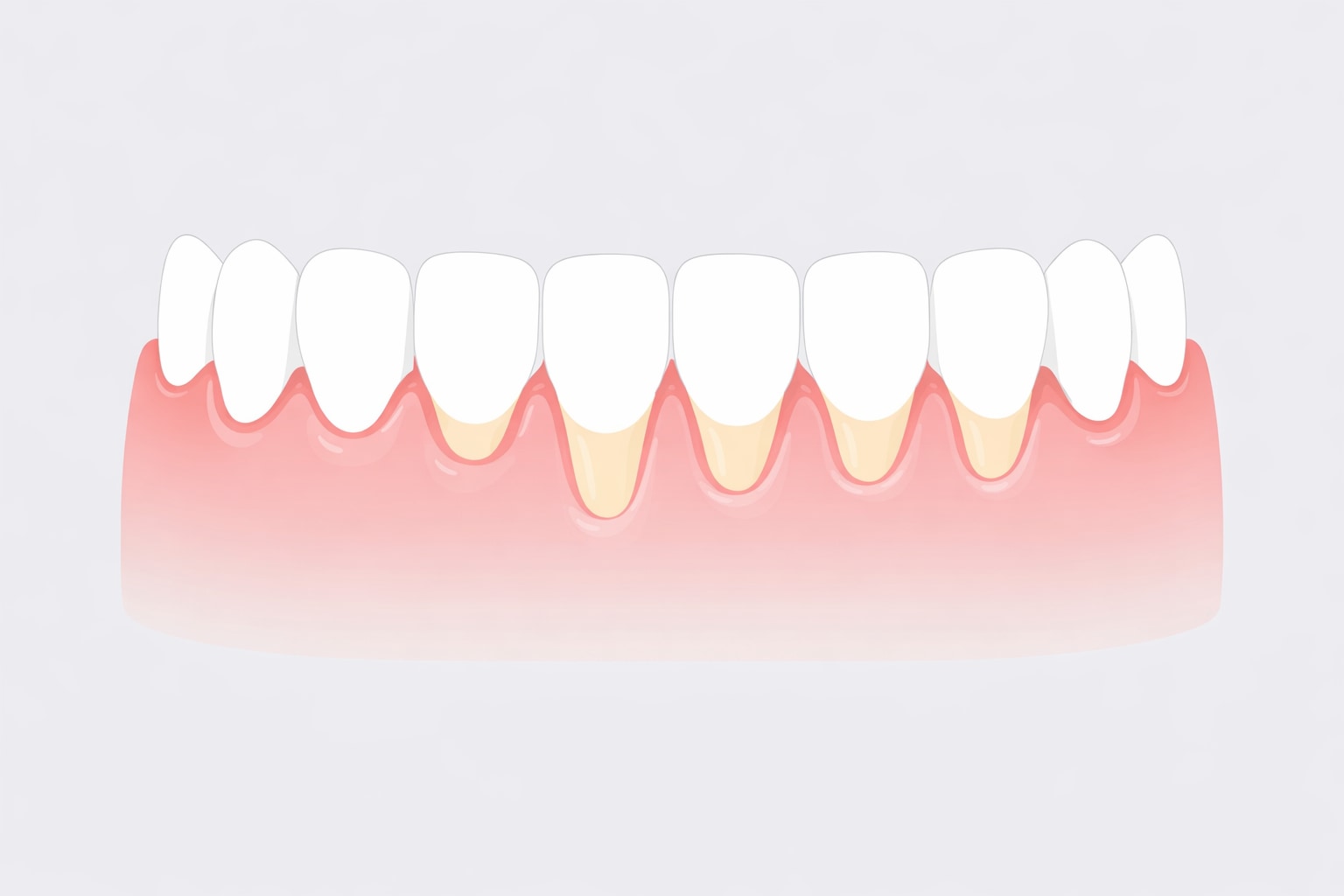
Your teeth are protected by a hard outer layer called enamel. Under the enamel is another layer called dentin. Dentin contains tiny tubes that connect to the nerves inside the tooth.
When enamel wears down or gums pull back, these tiny tubes become exposed. This allows hot, cold, sweet, or acidic foods to reach the nerves inside the tooth.
As a result, you feel sudden pain or discomfort.
The pain usually occurs when you eat ice cream, drink cold water, brush your teeth, or eat something sweet.
Quick Answer: What Is Good for Tooth Sensitivity?
If you are looking for a quick answer, the following methods are commonly recommended by dentists:
- Use toothpaste designed for sensitive teeth
- Brush gently with a soft toothbrush
- Avoid very acidic foods and drinks
- Use fluoride mouthwash
- Maintain good oral hygiene
- Visit a dentist for professional treatment if needed
These steps help protect the enamel and reduce the exposure of the tooth nerves.
Common Causes of Tooth Sensitivity
Understanding the cause of your tooth sensitivity is important. Different problems can lead to sensitive teeth.
1. Worn Tooth Enamel
Enamel is the outer shield of your teeth. Over time it can wear down due to brushing too hard, eating acidic foods, or grinding your teeth.
When enamel becomes thinner, the inner dentin layer becomes exposed.
This is one of the most common reasons people develop sensitive teeth.
2. Gum Recession
Gum recession occurs when the gums slowly move away from the teeth.
This exposes the root of the tooth, which does not have the same strong enamel protection.
As a result, the tooth root becomes sensitive to temperature changes and certain foods.
3. Tooth Decay
Cavities can also cause tooth sensitivity.
When bacteria damage the tooth structure, the inner layers become exposed. This can create pain when chewing or eating sweet foods.
4. Teeth Grinding
Grinding your teeth during sleep can slowly wear down enamel.
This condition is known as bruxism. Many people are not aware that they grind their teeth until they begin experiencing sensitivity.
5. Recent Dental Procedures
Some dental treatments such as teeth whitening, fillings, or crowns can temporarily cause sensitivity.
This sensitivity usually improves after a short period.
What Is Good for Tooth Sensitivity at Home?
There are several simple home care methods that can help reduce tooth sensitivity.
These methods focus on protecting enamel and calming the nerves inside the teeth.
Use Toothpaste for Sensitive Teeth
Special toothpaste for sensitive teeth contains ingredients that block the tiny channels in dentin.
This prevents pain signals from reaching the nerves.
Regular use can significantly reduce discomfort within a few weeks.
Brush With a Soft Toothbrush
Brushing too hard can damage enamel and irritate the gums.
A soft toothbrush is gentle on your teeth and helps protect the enamel layer.
Dentists also recommend brushing in gentle circular motions instead of aggressive back and forth strokes.
Use Fluoride Products
Fluoride strengthens tooth enamel and helps prevent further damage.
Using fluoride toothpaste or mouthwash can make your teeth more resistant to sensitivity triggers.
Avoid Acidic Foods and Drinks
Acidic foods slowly weaken enamel. So here are common examples include:
- Citrus fruits
- Soda
- Sports drinks
- Vinegar based foods
- Wine
Limiting these foods can help protect your teeth.
Maintain Good Oral Hygiene
Brushing twice a day and flossing daily removes plaque and bacteria.
Healthy teeth and gums are less likely to develop sensitivity.
Foods That Are Good for Tooth Sensitivity
Some foods can actually help strengthen your teeth.
These foods support enamel health and provide important minerals.
1- Dairy Products
Milk, cheese, and yogurt contain calcium and phosphates.
These minerals help rebuild tooth enamel and protect teeth from damage.
2- Leafy Green Vegetables
Spinach and kale are rich in calcium and vitamins.
They help support healthy teeth and gums.
3- Nuts and Seeds
Nuts such as almonds provide important minerals that strengthen enamel.
They are also low in sugar which makes them a good snack for oral health.
4- Green Tea
Green tea contains antioxidants that help control bacteria in the mouth.
This can support better gum health and reduce dental problems.
Foods That Can Make Tooth Sensitivity Worse
Certain foods can trigger sensitivity and increase discomfort.
If you experience sensitive teeth, it is helpful to reduce these foods.
1- Cold Foods
Ice cream and very cold drinks can quickly trigger pain in sensitive teeth.
2- Sugary Foods
Sugar feeds harmful bacteria in the mouth.
This can increase the risk of cavities and sensitivity.
3- Acidic Drinks
Soft drinks and citrus juices slowly weaken enamel.
Frequent consumption can make teeth more sensitive over time.
Professional Treatments for Tooth Sensitivity
If home remedies do not work, professional dental treatments may be needed.
A dentist can identify the exact cause of your sensitivity and recommend the best treatment.
Fluoride Treatment
Dentists may apply professional fluoride gel to strengthen enamel.
This treatment can reduce sensitivity and protect the teeth.
Dental Bonding
If tooth roots are exposed, dentists may use bonding materials to cover the sensitive areas.
This protects the dentin and reduces discomfort.
Gum Treatment
If gum recession is the cause, treatment may focus on improving gum health.
In some cases, gum graft procedures may be recommended.
Night Guards
For patients who grind their teeth, a custom night guard can protect enamel while sleeping.
This prevents further damage to the teeth.
When Should You See a Dentist?
Occasional sensitivity may not be a serious concern.
However, you should visit a dentist if the pain is severe, lasts a long time, or affects daily eating and drinking.
Persistent sensitivity may indicate problems such as cavities, cracked teeth, or gum disease.
Early diagnosis helps prevent complications and protects your oral health.
Key Takeaways
Tooth sensitivity is a common issue, but it can usually be managed with proper care.
Here are the most important points to remember.
- Use toothpaste designed for sensitive teeth
- Brush gently using a soft toothbrush
- Limit acidic foods and drinks
- Maintain good oral hygiene
- Visit a dentist if sensitivity continues
Following these steps can help reduce discomfort and protect your smile.
Conclusion
So, what is good for tooth sensitivity?
The best approach combines good oral hygiene, protective dental products, and healthy lifestyle habits.
Using sensitive toothpaste, brushing gently, and avoiding acidic foods can significantly reduce discomfort.
At the same time, regular dental checkups ensure that any underlying problems are detected early.
Sensitive teeth can affect daily life, but with the right care and guidance, it is possible to manage the condition effectively and maintain a healthy, confident smile.
If you continue experiencing tooth sensitivity, professional dental advice can help identify the cause and provide the most suitable treatment for long term relief.