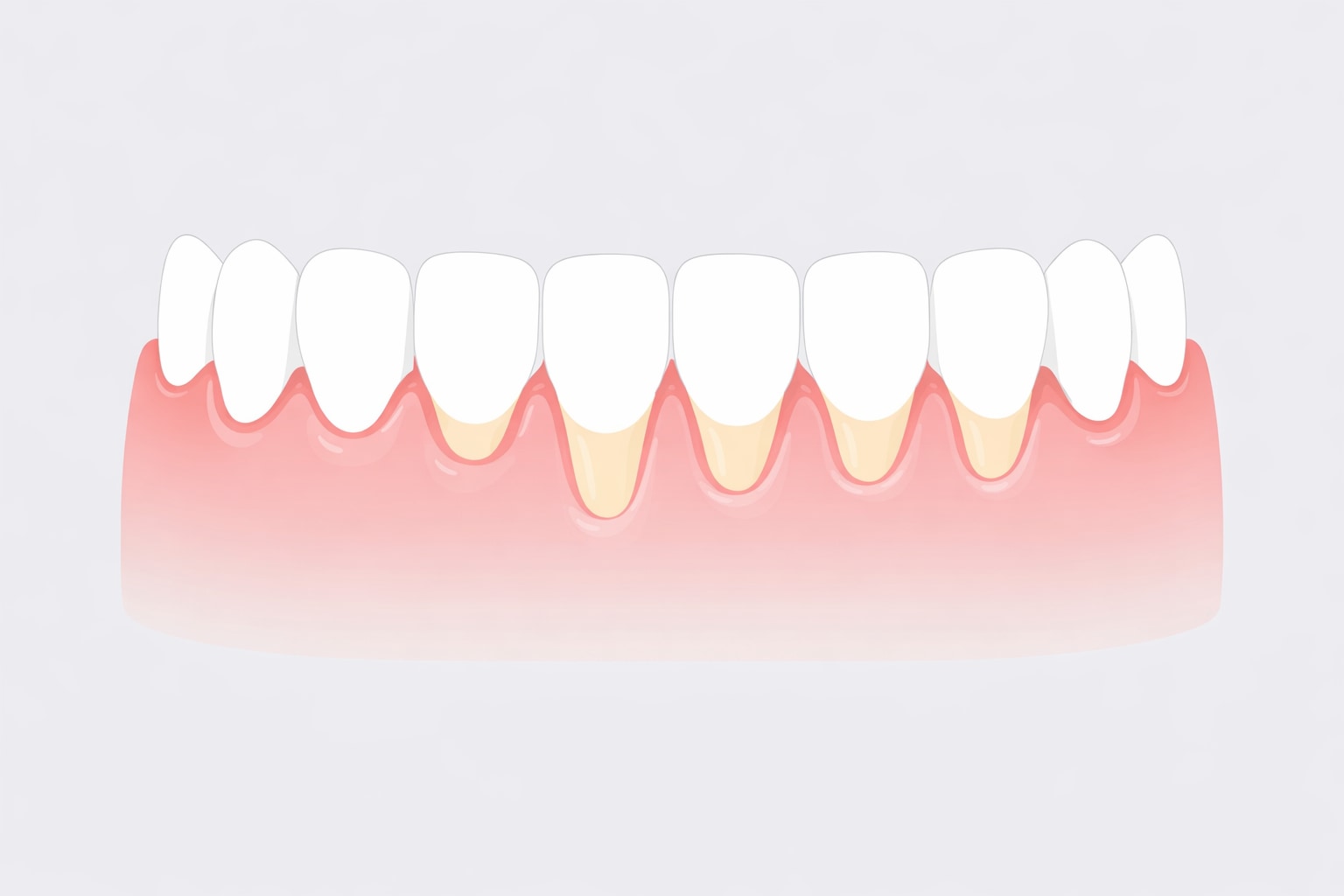
Have you noticed that your teeth look longer than before?
Or maybe your gums seem to be pulling away from your teeth. These can be early signs of receding gums.
Gum recession is a common dental concern that affects many adults. When the gum tissue moves away from the teeth, the roots become exposed. This can lead to tooth sensitivity, discomfort, and a higher risk of tooth decay.
The good news is that there are many ways to manage and slow down gum recession. With the right care, healthy habits, and professional dental support, you can protect your gums and maintain a strong smile.
If you are unsure about your gum health, visiting a professional such as a trusted Kurtköy dentist can help you understand the condition of your gums and explore the best treatment options.
In this guide, we will explain what is good for receding gums, including simple home care practices, professional treatments, and preventive tips that help keep your gums healthy.
What Are Receding Gums?
Receding gums occur when the gum tissue surrounding the teeth pulls back or wears away. This exposes more of the tooth or even the tooth root.
Healthy gums should fit tightly around the teeth and protect the roots. When the gums recede, gaps can form between the teeth and the gum line. These spaces make it easier for harmful bacteria to build up.
Over time, untreated gum recession can lead to gum disease, tooth sensitivity, and even tooth loss in severe cases.
Many people do not notice gum recession at first because it often develops slowly. That is why regular dental checkups are important.
Common Signs of Gum Recession
Recognizing the early signs of gum recession can help you take action before the condition worsens.
Some common symptoms include:
Tooth sensitivity, especially to hot or cold foods
Teeth appearing longer than before
Visible tooth roots
Tender or swollen gums
Small spaces forming between the teeth and gums
Bleeding gums while brushing or flossing
If you notice any of these signs, it is important to improve your oral care routine and consider visiting a dentist for evaluation.
What Causes Receding Gums?
Understanding the causes of gum recession can help you prevent further damage.
Gum Disease
One of the most common causes of receding gums is gum disease. This bacterial infection damages gum tissue and the bone that supports your teeth.
If gum disease is not treated early, it can gradually destroy the tissues that keep teeth stable.
Brushing Too Hard
Brushing your teeth aggressively can wear down gum tissue over time.
Using a hard bristle toothbrush or applying too much pressure while brushing can slowly push the gums back from the teeth.
Poor Oral Hygiene
When plaque and tartar build up along the gum line, they can irritate and damage the gums.
Without proper brushing and flossing, bacteria multiply and increase the risk of gum disease.
Genetics
Some people are more likely to experience gum recession due to genetic factors.
Even with good oral hygiene, certain individuals may have naturally thinner gum tissue.
Teeth Grinding
Grinding or clenching your teeth places extra pressure on the gums and supporting structures.
This pressure can contribute to gum recession over time.
Tobacco Use
Smoking or using other tobacco products weakens gum tissue and reduces blood flow to the gums.
This makes it harder for the gums to heal and increases the risk of gum problems.
What Is Good for Receding Gums?
If you are wondering what is good for receding gums, the answer usually involves a combination of proper oral care, lifestyle habits, and professional dental treatments.
Below are some effective strategies that can help protect and improve gum health.
Maintain Proper Oral Hygiene
Good oral hygiene is the most important step in protecting your gums.
Brush your teeth twice a day using a soft bristle toothbrush. This helps remove plaque without damaging gum tissue.
Take your time while brushing. Gentle circular motions are better than aggressive scrubbing.
Flossing once a day is also important. Floss removes plaque and food particles from areas that a toothbrush cannot reach.
These daily habits play a key role in preventing gum disease and slowing down gum recession.
Use a Soft Toothbrush
A soft toothbrush is safer for your gums and enamel.
Hard bristles can irritate the gums and cause more recession. Dentists often recommend soft or extra soft toothbrushes for people with sensitive gums.
Electric toothbrushes with pressure sensors can also help prevent brushing too hard.
Use Antibacterial Mouthwash
Antibacterial mouthwash helps reduce harmful bacteria in the mouth.
It can support gum health by lowering the amount of plaque that forms around the gum line.
However, mouthwash should not replace brushing or flossing. It should only be used as an additional step in your oral care routine.
Stay Hydrated
Drinking enough water helps wash away food particles and bacteria.
Saliva also plays an important role in protecting your teeth and gums. Staying hydrated supports natural saliva production.
Water is especially helpful after meals when brushing is not possible.
Eat Foods That Support Gum Health
A balanced diet contributes to healthy gums.
Certain nutrients help strengthen gum tissue and support the immune system.
Foods that are good for gum health include:
Leafy greens such as spinach and kale
Crunchy vegetables like carrots and celery
Vitamin C rich fruits like oranges and strawberries
Dairy products that contain calcium
Nuts and seeds with healthy minerals
These foods provide vitamins and minerals that help your body maintain strong teeth and gums.
Stop Smoking
Smoking is one of the biggest risk factors for gum disease and gum recession.
Tobacco weakens the immune system and reduces blood flow to the gums. This makes it harder for gum tissue to heal.
Quitting smoking can significantly improve gum health and reduce the risk of further damage.
Manage Teeth Grinding
If you grind your teeth during sleep, your dentist may recommend a night guard.
A custom dental guard protects your teeth and reduces pressure on the gums and jaw.
Professional Treatments for Receding Gums
In some cases, home care alone may not be enough to treat gum recession.
Professional dental treatments can help stop the progression and restore gum health.
Deep Dental Cleaning
A deep cleaning procedure, also known as scaling and root planing, removes plaque and tartar from below the gum line.
This treatment helps eliminate bacteria and allows the gums to heal.
Gum Grafting
In advanced cases, dentists may recommend gum graft surgery.
During this procedure, tissue is taken from another area of the mouth and placed where the gums have receded.
This helps cover exposed roots and protect the teeth.
Pinhole Surgical Technique
Some dental clinics offer a minimally invasive treatment called the pinhole technique.
This procedure gently moves the existing gum tissue over exposed tooth roots without traditional surgery.
It can reduce recovery time while improving gum coverage.
Can Receding Gums Grow Back?
A common question people ask is whether receding gums can grow back naturally.
Unfortunately, gum tissue does not regenerate in the same way as other tissues in the body.
However, proper dental care can stop the recession from getting worse.
Professional treatments such as gum grafting can also restore lost gum coverage in certain cases.
The earlier gum recession is treated, the better the outcome.
How to Prevent Receding Gums
Prevention is always better than treatment when it comes to gum health.
Following simple habits can greatly reduce your risk of gum recession.
1- Brush Gently
Use gentle pressure when brushing your teeth.
Choose a soft toothbrush and replace it every three months.
2- Floss Daily
Daily flossing removes plaque from areas where gum disease often begins.
Consistent flossing helps maintain healthy gums.
3- Visit Your Dentist Regularly
Routine dental checkups allow dentists to detect gum problems early.
Professional cleanings also remove tartar that cannot be removed by brushing alone.
4- Maintain a Healthy Diet
A nutritious diet supports strong teeth and healthy gum tissue.
Reducing sugary snacks can also lower the risk of plaque buildup.
When Should You See a Dentist?
It is important to seek professional advice if you notice signs of gum recession.
You should visit a dentist if you experience:
- Persistent tooth sensitivity
- Bleeding or swollen gums
- Visible tooth roots
- Loose teeth
- Bad breath that does not go away
Early treatment can prevent more serious dental problems and protect your smile.
Conclusion
Receding gums are a common dental issue, but they should not be ignored.
Understanding what is good for receding gums can help you take the right steps to protect your oral health.
Daily brushing, flossing, healthy eating, and regular dental visits all play an important role in keeping your gums strong.
If gum recession is already present, professional dental treatments can help stop the damage and restore gum coverage.
The key is early action. Paying attention to your gums today can help you maintain a healthy and confident smile for many years to come.
If you are concerned about gum recession or want professional guidance, consulting an experienced dental team can help you choose the best treatment approach for your needs.