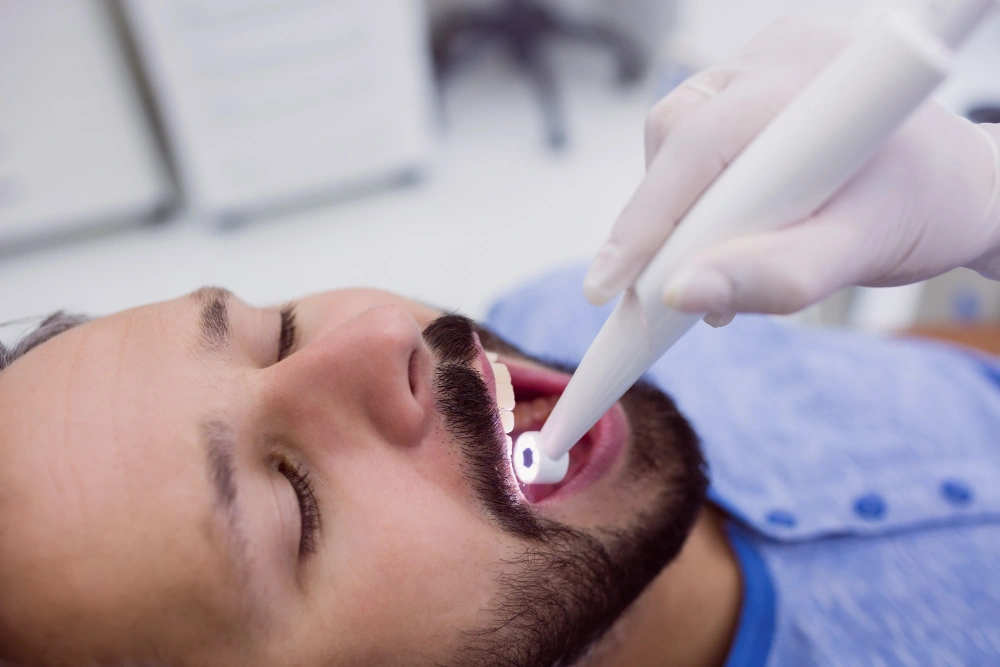
Some people grind their teeth occasionally, while others experience it regularly, especially during sleep. Many people do not even realize they are grinding their teeth until a dentist notices signs of damage.
Although occasional grinding may not cause serious harm, frequent grinding can lead to worn teeth, jaw pain, headaches, and other oral health problems.
Understanding the reasons for teeth grinding is the first step toward preventing long term damage to your teeth and jaw.
If you are concerned about your oral health or notice signs of grinding, consulting a professional such as a Airport Dent can help identify the cause and recommend the right treatment.
In this guide, we will explore the most common reasons for teeth grinding, the symptoms to watch for, and practical ways to protect your smile.
What Is Teeth Grinding
Teeth grinding refers to the habit of clenching or grinding your teeth together. This can happen during the day or while sleeping.
Daytime grinding is often linked to stress or concentration. For example, some people clench their teeth when they are focusing on work, driving, or dealing with stressful situations.
Sleep bruxism happens during sleep and is often harder to control. Because it occurs unconsciously, many people only discover the problem when they experience jaw pain or when a dentist notices worn tooth surfaces.
Why Do People Grind Their Teeth
There is no single cause of teeth grinding. Instead, it is usually the result of several factors that work together.
These factors may include emotional stress, sleep disorders, dental problems, certain medications, and lifestyle habits.
Identifying the underlying cause is important because it helps dentists recommend the most effective treatment.
In many cases, managing the root cause can significantly reduce or stop teeth grinding.
Common Reasons for Teeth Grinding
Several factors may lead to teeth grinding. Some are related to lifestyle or emotions, while others are connected to medical or dental conditions.
Below are some of the most common reasons for teeth grinding.
1- Stress and Anxiety
Stress is one of the most common reasons for teeth grinding. When people experience emotional tension, their body may respond by clenching the jaw or grinding the teeth.
This can happen during the day or while sleeping. People going through stressful life events, work pressure, or emotional challenges may notice an increase in grinding habits.
Relaxation techniques such as exercise, meditation, and improved sleep routines can help reduce stress related grinding.
2- Sleep Disorders
Sleep disorders are strongly linked to nighttime teeth grinding. Conditions such as sleep apnea can interrupt breathing during sleep and cause the body to react with jaw clenching or grinding.
People who snore frequently or feel tired during the day may have an underlying sleep disorder that contributes to bruxism.
Treating sleep related issues often helps reduce nighttime grinding.
3- Misaligned Teeth or Bite Problems
Dental alignment problems may also contribute to teeth grinding. When the upper and lower teeth do not fit together properly, the jaw may shift or tighten during sleep.
This can create pressure that leads to grinding.
A dental professional can examine the bite and recommend treatment if alignment issues are contributing to the problem.
4- Lifestyle Habits
Certain lifestyle habits may increase the risk of teeth grinding.
High consumption of caffeine, alcohol, and tobacco has been associated with a higher likelihood of grinding. These substances may affect sleep quality and muscle activity in the jaw.
Reducing caffeine intake, avoiding alcohol before bed, and quitting smoking may help reduce grinding episodes.
5- Medications
Some medications may contribute to teeth grinding as a side effect.
Certain antidepressants and medications that affect the nervous system have been linked to bruxism in some individuals.
If you suspect that a medication may be contributing to grinding, it is important to speak with a healthcare professional before making any changes.
6- Neurological Factors
In some cases, teeth grinding may be related to neurological conditions that affect muscle control and sleep patterns.
Although this is less common, conditions that influence the nervous system may increase the likelihood of bruxism.
Proper diagnosis from a medical or dental professional can help determine if neurological factors are involved.
Teeth Grinding in Children
Teeth grinding is also common in children, especially during sleep.
In many cases, it occurs while baby teeth are developing or when permanent teeth begin to emerge. Most children outgrow this habit as their teeth and jaws mature.
However, persistent grinding in children may be related to stress, sleep issues, or bite alignment.
Parents who notice frequent grinding sounds at night should consider consulting a dentist to ensure there are no underlying problems.
Signs and Symptoms of Teeth Grinding
Because teeth grinding often occurs during sleep, many people are unaware they have the condition.
However, several signs may indicate that grinding is happening.
Common symptoms include jaw pain, headaches, and increased tooth sensitivity. Other possible signs include worn tooth surfaces, small cracks in the teeth, and soreness in the jaw muscles. Some people also experience ear discomfort or facial pain due to the pressure placed on the jaw joints.
A dental examination can help confirm whether these symptoms are related to bruxism.
Long Term Effects of Teeth Grinding
If teeth grinding continues for a long period of time, it can lead to several oral health problems.
The constant pressure placed on the teeth may wear down enamel, making the teeth more vulnerable to damage and sensitivity.
Severe grinding can also cause chipped or fractured teeth.
Excessive grinding may place stress on this joint and lead to pain or difficulty opening the mouth.
Early diagnosis and treatment can help prevent these complications.
When Should You See a Dentist
Occasional grinding may not require immediate treatment. However, frequent grinding or symptoms such as jaw pain, headaches, or damaged teeth should be evaluated by a dentist.
A dental professional can examine the teeth, evaluate bite alignment, and recommend the most suitable treatment options.
If you are looking for professional care, visiting the best kurtköy dental clinic can help you receive proper diagnosis and treatment.
Early treatment can protect the teeth from long term damage and improve overall comfort.
How to Stop Teeth Grinding Naturally
There are several lifestyle adjustments that may help reduce teeth grinding.
Managing stress is one of the most effective strategies. Activities such as yoga, deep breathing, and regular exercise can help relax the muscles and reduce tension in the jaw.
Improving sleep habits may also help. Creating a relaxing bedtime routine and avoiding caffeine in the evening can support better sleep quality.
Some people benefit from gentle jaw exercises or warm compresses applied to the jaw muscles before bedtime.
Treatment Options for Teeth Grinding
If teeth grinding continues despite lifestyle changes, a dentist may recommend professional treatment.
One common option is a custom mouthguard worn during sleep. This device protects the teeth from damage by creating a barrier between the upper and lower teeth.
Dental treatments that correct bite alignment may also help in some cases.
In addition, stress management techniques and sleep therapy may be recommended if emotional or sleep related factors are involved.
The most effective treatment plan depends on the underlying cause of grinding.
Practical Tips to Protect Your Teeth
While identifying the reasons for teeth grinding is important, daily habits also play a key role in protecting your smile.
- Avoid chewing on hard objects such as pens or ice, as this can place additional pressure on the teeth.
- Try to keep your jaw relaxed during the day by maintaining a small space between the upper and lower teeth when your mouth is at rest.
- Regular dental checkups are also essential. A dentist can monitor signs of grinding and recommend preventive care if needed.
Conclusion
Teeth grinding is a common condition that can affect people of all ages.
Stress, sleep disorders, bite alignment problems, medications, and lifestyle habits are among the most common causes. Identifying these factors allows dentists to recommend the most appropriate treatment and prevention strategies.
If you notice symptoms such as jaw pain, worn teeth, or frequent headaches, it may be time to seek professional advice. Early care and simple lifestyle changes can make a significant difference in maintaining a healthy and confident smile.
By staying informed and working with dental professionals, you can reduce the effects of teeth grinding and protect your oral health for the future.