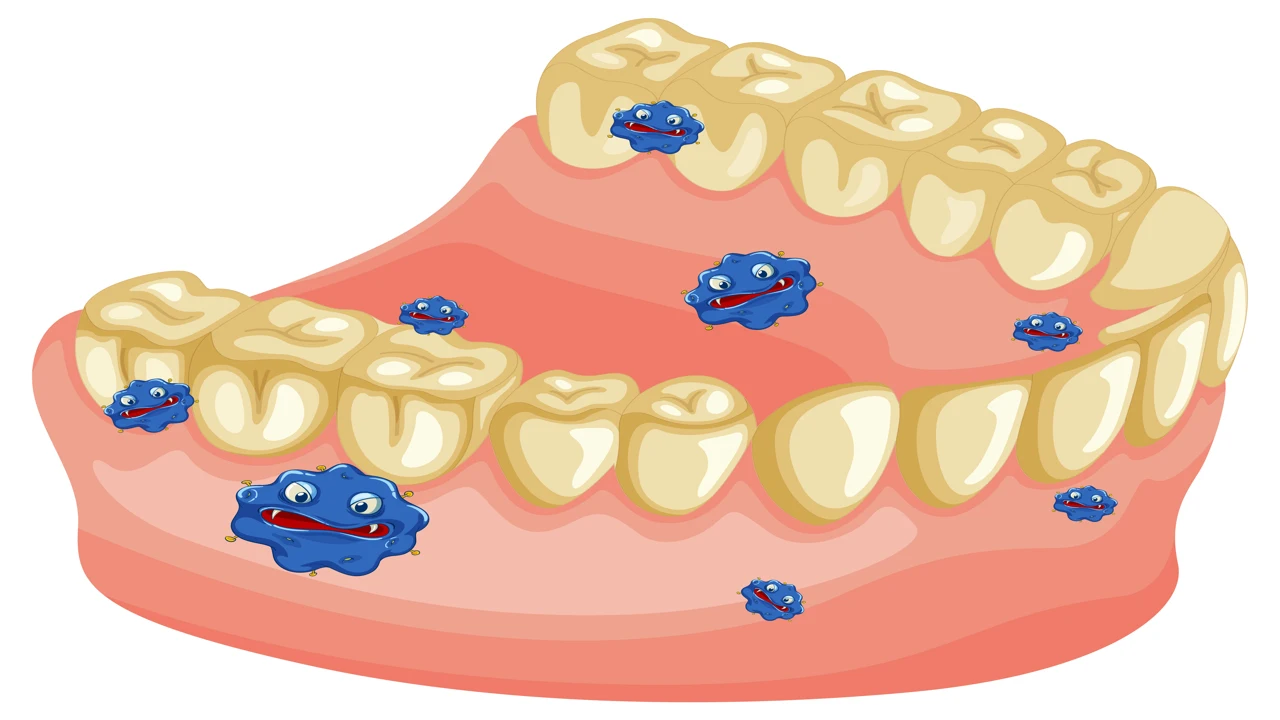
Dental plaque is one of the most common yet misunderstood oral health concerns.
Almost everyone develops dental plaque daily, even people who brush their teeth regularly. The problem begins when plaque is ignored or removed incorrectly.
Understanding how dental plaque forms, why it is harmful, and how to manage it effectively can help you protect your teeth, gums, and overall oral health.
Maintaining good oral hygiene and seeking professional guidance from a trusted clinic such as the best dentist in pendik can significantly reduce plaque related dental problems.
This guide explains dental plaque in simple terms, offers practical prevention tips, and helps you know when professional dental care is needed.
What Is Dental Plaque
Dental plaque is a soft, sticky film made up of bacteria, food particles, and saliva.
It forms constantly on the surface of teeth and along the gumline.
Plaque is usually colorless or pale yellow, which makes it difficult to notice until it builds up.
Although plaque may seem harmless at first, it can lead to serious dental problems if not removed regularly.
How Dental Plaque Forms on Teeth
Dental plaque begins forming shortly after eating or drinking.
Bacteria in the mouth feed on sugars and carbohydrates from food.
As these bacteria break down sugars, they produce acids.
These acids mix with saliva and food debris, creating plaque that sticks to teeth.
If plaque is not removed daily, it hardens and becomes much more difficult to manage.
What Causes Dental Plaque
Dental plaque develops for many reasons, most of which are related to daily habits.
Poor Oral Hygiene
Infrequent brushing and flossing allow plaque to remain on teeth for long periods.
Without proper cleaning, bacteria multiply quickly.
Sugary and Starchy Foods
Foods high in sugar and starch provide fuel for plaque causing bacteria.
Frequent snacking increases plaque formation throughout the day.
Dry Mouth
Saliva helps wash away food particles and bacteria.
A dry mouth creates an ideal environment for plaque buildup.
Smoking and Tobacco Use
Tobacco products increase plaque accumulation and weaken gum health.
They also reduce the mouth’s ability to fight bacteria naturally.
Signs and Symptoms of Dental Plaque
Dental plaque does not always cause pain in its early stages.
However, there are warning signs that should not be ignored.
Visible Film on Teeth
A fuzzy or sticky feeling on teeth is often caused by plaque.
Some people notice white or yellow deposits near the gumline.
Bad Breath
Bacteria in plaque release unpleasant odors.
Persistent bad breath may indicate plaque buildup.
Gum Irritation
Plaque irritates the gums, causing redness, gum swelling, or bleeding during brushing.
Tooth Sensitivity
Plaque weakens enamel over time.
This may lead to sensitivity when consuming hot or cold foods.
Dental Plaque vs Tartar
Dental plaque and tartar are related but not the same.
Plaque is soft and removable at home.
Tartar forms when plaque hardens due to minerals in saliva.
Once tartar develops, it can only be removed by a dental professional.
Tartar increases the risk of cavities, gum disease, and tooth loss.
Why Dental Plaque Is Harmful
Ignoring dental plaque can have serious consequences for oral health.
Tooth Decay
Plaque bacteria produce acids that attack tooth enamel.
Over time, this leads to cavities and tooth damage.
Gum Disease
Plaque buildup along the gumline causes inflammation.
This can progress from gingivitis to more severe gum disease if untreated.
Long Term Oral Health Issues
Chronic plaque buildup may lead to infections, tooth loss, and costly dental treatments.
Maintaining plaque control is essential for lifelong oral health.
How to Remove Dental Plaque at Home
Removing plaque daily is the most effective way to protect your teeth.
Proper Brushing Techniques
Brush twice daily using a soft bristled toothbrush.
Use gentle circular motions to clean all tooth surfaces.
Brushing should last at least two minutes.
Daily Flossing
Floss removes plaque from between teeth where brushes cannot reach.
Daily flossing is essential for complete plaque control.
Antibacterial Mouthwash
Mouthwash helps reduce bacteria and freshen breath.
It should be used as a supplement, not a replacement for brushing and flossing.
Electric Toothbrushes
Electric toothbrushes may remove plaque more effectively for some people.
They are especially helpful for individuals with limited hand mobility.
Professional Treatments for Dental Plaque Removal
Even with excellent home care, professional dental cleaning is necessary.
Dental Scaling and Cleaning
Dentists use specialized tools to remove plaque and tartar.
This process cleans areas that are difficult to reach at home.
When to See a Dentist
Regular dental checkups help detect plaque related problems early.
Professional care supports long term oral health and prevention.
How to Prevent Dental Plaque Buildup
Prevention is always easier than treatment.
Maintain a Daily Oral Care Routine
Brush twice daily and floss once a day.
Consistency is key to plaque prevention.
Choose Tooth Friendly Foods
Limit sugary snacks and drinks.
Eat crunchy fruits and vegetables that stimulate saliva production.
Avoid Harmful Habits
Smoking and excessive sugar intake increase plaque formation.
Reducing these habits supports healthier teeth and gums.
Dental Plaque in Children and Adults
Dental plaque affects people of all ages.
Plaque in Children
Children may struggle with effective brushing.
Parental guidance and routine dental visits are essential.
Plaque in Adults
Adults face additional risk factors such as stress, dry mouth, and dietary habits.
Professional care helps manage these challenges effectively.
Common Myths About Dental Plaque
There are many misconceptions about plaque.
Plaque forms daily even with good oral hygiene.
It is not always visible.
Mouthwash alone cannot remove plaque completely.
Understanding the facts helps improve prevention efforts.
Frequently Asked Questions About Dental Plaque
How fast does dental plaque form
Plaque begins forming within hours after brushing.
Can plaque cause bad breath
Yes, plaque bacteria are a common cause of persistent bad breath.
Does plaque removal hurt
Routine plaque removal is usually painless.
Professional cleanings are generally comfortable.
Can teeth whitening remove plaque
Cosmetic procedures like teeth whitening in pendik improve appearance but do not replace plaque removal.
Good oral hygiene remains essential.
When Should You Visit a Dentist
If you experience bleeding gums, persistent bad breath, or tooth sensitivity, professional evaluation is recommended.
Early intervention prevents more serious dental problems.
Conclusion
Dental plaque is a natural part of oral life, but it does not have to damage your smile.
With proper daily care, healthy habits, and regular professional support, plaque can be effectively managed.
Staying informed and proactive protects your teeth, gums, and confidence.
A commitment to oral hygiene today leads to a healthier smile for years to come.