
It is a custom-made cap that covers a damaged or weakened tooth. It’s designed to restore the tooth’s shape, size, strength, and overall appearance.
Once the crown is placed, it acts as a protective shell that shields the natural tooth underneath from further damage.
Crowns are made from different materials depending on your needs, aesthetic goals, and budget.
Article List
Toggle
Your smile plays a big part in how you feel about yourself and how others see you.
When a tooth becomes weak or damaged, it can affect both your confidence and daily comfort. That’s where a dental crown comes in.
It not only strengthens and protects a damaged tooth but also enhances its appearance, helping you smile freely again.
Some of the most common types include:
1. Porcelain or Ceramic Crowns
These are ideal for front teeth because they match the color of your natural teeth perfectly. They’re highly aesthetic and provide a beautiful, natural look.
2. Porcelain-Fused-to-Metal (PFM) Crowns
These crowns combine the strength of metal with the natural appearance of porcelain. They’re durable and commonly used for both front and back teeth.
3. Metal Crowns (Gold or Alloy)
Metal crowns are known for their exceptional strength and longevity. Although not as aesthetic as porcelain, they’re ideal for molars where chewing pressure is higher.
4. Zirconia Crowns
Zirconia crowns are strong, biocompatible, and look natural. They’ve become increasingly popular due to their durability and comfort.
5. Resin Crowns
Resin crowns are a more affordable option, though they may wear down faster than other materials. They’re usually used as a temporary solution.
Your dentist will recommend the best material based on your individual needs, bite strength, and cosmetic preferences.
It may be needed for several reasons. You might need one if:
Getting a dental crown is a straightforward process that typically requires two visits to your dentist.
Modern technology has made it faster and more comfortable than ever before.
Here’s a step-by-step overview of what to expect:
1. Initial Examination and Consultation
Your dentist will first check your tooth using X-rays or digital scans to see how much damage there is. This helps them decide if a crown is the right treatment for you.
If the tooth is badly decayed or infected, you may need a root canal before the crown placement.
The goal is to ensure the foundation of your tooth is healthy before adding the crown.
2. Tooth Preparation
During the first visit, the dentist will gently shape your tooth to make space for the crown.
This involves removing any decay or weakened parts of the tooth and smoothing it into the right shape.
Local anesthesia is used to make the process comfortable, so you won’t feel any pain.
3. Impression or Digital Scan
After the tooth is prepared, your dentist will take an impression or use a digital scanner to capture an accurate model of your mouth.
This model is sent to a dental lab where your custom crown is created.
Your dentist will then place a temporary crown to protect your tooth while the permanent one is being made.
4. Crown Placement
Once your permanent crown is ready (usually within a couple of weeks), you’ll return for the final fitting.
The dentist will check the fit, shape, and color to ensure it blends seamlessly with your surrounding teeth.
After confirming everything looks and feels right, the crown is cemented into place.
5. Final Adjustments and Aftercare
Once the crown is in place, your dentist may make small adjustments to ensure your bite feels natural.
They’ll also share aftercare tips to help you maintain your new crown for years to come.

They’re strong and long-lasting, but proper care is essential to maintaining their great shape.
Here are a few tips to keep your crown in great condition:
The cost can vary based on the material, case, and dentist’s skill.
To get a personalized estimate and discuss your best options, you can always contact Airport Dent.
Their friendly team will help you understand your treatment plan and available payment options.
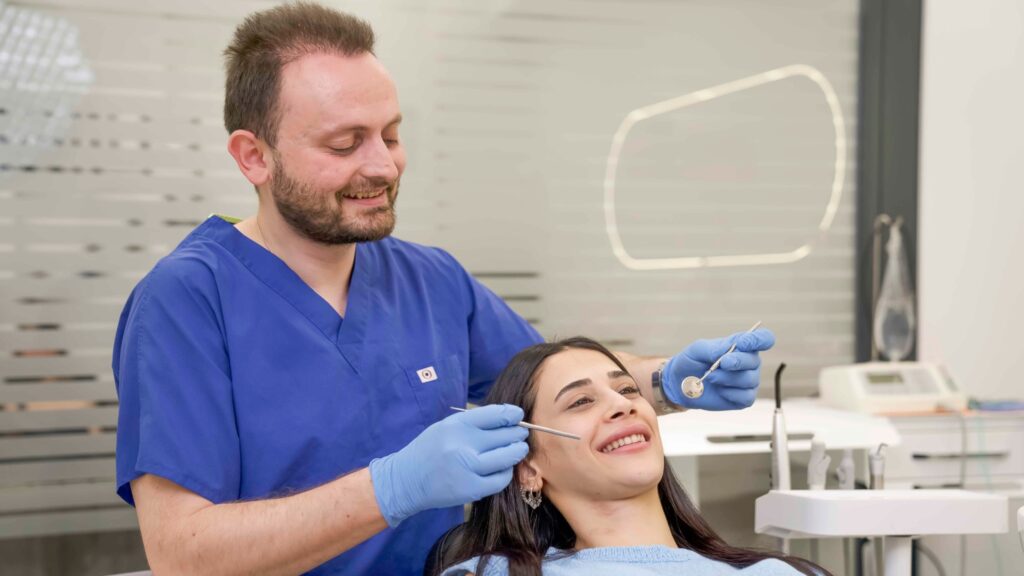
It has many benefits besides improving how your teeth look.
Here’s why it’s such a popular and trusted treatment:
With today’s advanced dental materials and techniques, crowns can look and feel completely natural.
Most people won’t even notice which tooth has a crown.
Getting a dental crown is a significant step in preserving your smile. That’s why choosing a skilled and caring dentist is crucial.
At Airport Dent, our dental professionals use advanced technology and precision techniques to design crowns that fit perfectly and look beautiful.
Conclusion
It is one of the most reliable and effective ways to restore a damaged or weakened tooth.
It protects, strengthens, and enhances your smile so you can eat, speak, and laugh with confidence again.
Ready to take the next step toward a healthier smile? Don’t wait, contact Airport Dent today and let us help you restore your confidence.y, preserve the tooth’s structure, and improve your overall oral health. From understanding what fillings are to learning about the different types and aftercare, you now have the knowledge to approach this treatment with confidence.
If you’re experiencing tooth pain, sensitivity, or suspect you may need a filling, don’t wait until the problem worsens.
Book an appointment with a trusted Pendik Dentist at Airport Dent to receive professional care tailored to your needs.
With proper care and regular check-ups, your dental fillings can last for many years, helping you maintain a healthy and confident smile.
A dental crown is a cap-like restoration used to cover damaged, decayed, or misshapen teeth, restoring their shape, size, and strength.
Dental crowns are necessary to protect weak teeth, restore broken teeth, cover dental implants, support large fillings, or enhance the appearance of discolored teeth.
The tooth is prepared by removing some enamel, impressions are taken to create a custom crown, and then the crown is cemented onto the tooth.
With proper care, dental crowns can last 5 to 15 years or more, depending on factors like oral hygiene and crown material.
Care involves regular brushing, flossing, and dental check-ups, avoiding hard foods, teeth grinding, and maintaining good oral hygiene habits.


Schedule a consultation to learn more.