Your smile is not only about straight, white teeth. It is also about balance, strength, and function. Among all your teeth, the canine tooth plays one of the most important roles in both appearance and oral health.
Positioned at the corners of your mouth, the canine tooth is designed for strength and precision. It helps you bite into food, tear tougher textures, guide jaw movement, and shape your smile.
Yet despite its strength, the canine tooth can face serious problems. Impaction, fractures, infections, and alignment issues are more common than many people realize.
In this comprehensive guide, you will learn what a canine tooth is, why it matters, what problems to watch for, and how modern dentistry in Istanbul offers advanced solutions to protect and restore it.
What Is a Canine Tooth, and Why Is It Important?
The canine tooth is the pointed tooth located between your incisors and premolars. Adults typically have four canine teeth, two in the upper jaw and two in the lower jaw.
Dentists often refer to them as cornerstone teeth because they anchor your smile and guide how your upper and lower teeth come together.
Anatomy of the Canine Tooth: Structure and Function
The canine tooth has a single long root, which is usually the longest root of any tooth in the mouth. This long root provides exceptional stability. It allows the tooth to handle significant biting forces without loosening.
Like all teeth, the canine tooth consists of enamel on the outside, dentin beneath it, and pulp in the center. Enamel is the hard protective layer. Dentin supports the structure. The pulp contains nerves and blood vessels that keep the tooth alive.
Because of its deep root and strong structure, the canine tooth plays a major role in guiding jaw movements during chewing. It helps distribute force evenly and protects other teeth from excessive pressure.
Differences Between Canine Teeth and Other Types of Teeth
Each type of tooth has a specific function.
Incisors are flat and sharp for cutting food.
Premolars and molars are broader and designed for grinding and crushing.
The canine tooth is unique because it combines strength and sharpness. Its pointed shape makes it ideal for tearing food such as meat or firm vegetables. It also has a longer root compared to incisors and premolars, making it more resistant to trauma and movement.
The Role of Canine Teeth in Biting, Tearing, and Smile Aesthetics
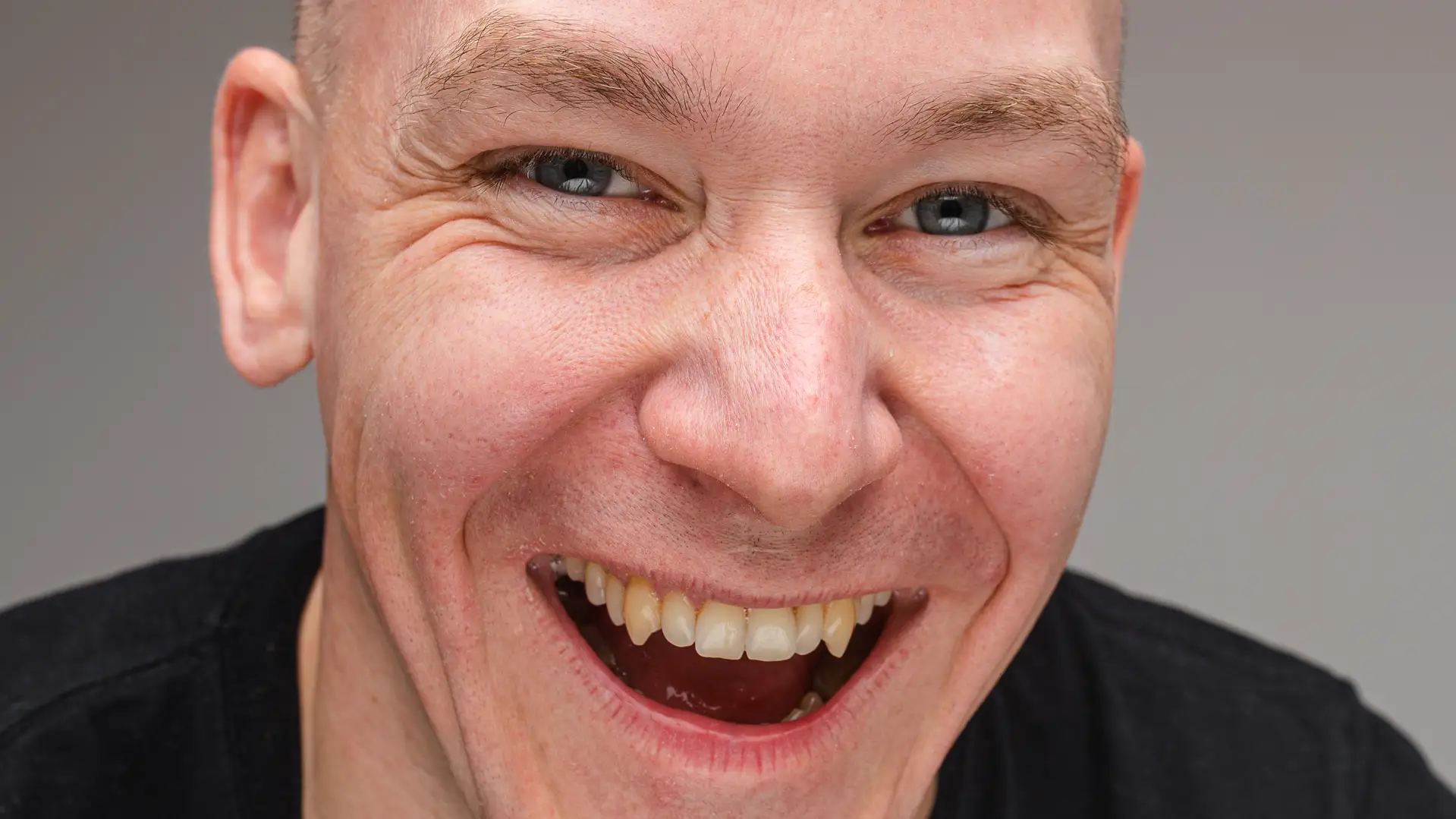
Functionally, the canine tooth helps you bite into tougher foods and stabilizes jaw alignment. Aesthetically, it shapes the corners of your smile.
If a canine tooth is missing, misaligned, or overly prominent, it can significantly affect facial harmony. For this reason, dentists prioritize preserving and properly aligning canine teeth whenever possible.
Common Canine Tooth Problems and Warning Signs
Although strong, the canine tooth is not immune to complications. Recognizing early warning signs can help prevent more complex treatment later.
Impacted Canine Tooth: Causes and Symptoms
An impacted canine tooth occurs when the tooth fails to erupt into its proper position in the dental arch. This problem is especially common in upper canine teeth. Causes may include lack of space, abnormal eruption path, overcrowding, or retained baby teeth.
Common symptoms include delayed eruption, swelling in the gum area, discomfort, and shifting of neighboring teeth. In some cases, there are no visible symptoms. The issue is discovered through routine dental X-rays. If you suspect problems with eruption, early evaluation by a dental professional is essential.
Broken or Chipped Canine Tooth Treatment Options
Despite its strength, a canine tooth can crack or chip due to trauma, accidents, or biting hard objects. Minor chips may be treated with cosmetic bonding. More severe fractures may require crowns to restore shape and strength.
If the inner pulp is affected, root canal treatment may be necessary to prevent infection. Early treatment protects the long root and prevents further complications.
Canine Tooth Pain, Infection, and Abscess Risks
Pain in a canine tooth may indicate decay, pulp inflammation, or infection. An untreated infection can lead to an abscess, which is a pocket of pus that forms around the root.
Symptoms may include swelling, severe pain, sensitivity to temperature, and facial discomfort. Prompt care prevents the infection from spreading to surrounding tissues. If severe damage occurs, extraction may be required.
You can learn more about treatment approaches for a canine tooth here.
Impacted Canine Tooth: Diagnosis and Treatment
Impacted canine teeth require specialized evaluation and planning.
Modern clinics in Istanbul use digital imaging and 3D scans to determine exact position and angle.
Why Maxillary Canine Teeth Commonly Become Impacted
Maxillary canine teeth, which are the upper canines, have a longer and more complex eruption path. They develop high in the jaw and travel a significant distance before emerging.
If space is limited or alignment is disrupted, they may become trapped. Genetic factors and early loss of baby teeth may also contribute.
Orthodontic Exposure and Alignment Procedures
In many cases, orthodontic treatment is used to guide the impacted canine tooth into position. A minor surgical procedure exposes the tooth.
An orthodontic bracket is attached, and gradual pressure moves the tooth into alignment. This process may take several months, depending on the initial position. Patience and consistent follow-up are essential for success.
Surgical Solutions for Impacted Canine Tooth at Airport Dent
When orthodontic alignment is not feasible, surgical intervention may be necessary.
At AirportDent in Pendik, Istanbul, specialists evaluate whether exposure, repositioning, or extraction is the most appropriate solution.
Advanced imaging ensures precise planning and minimizes risks.
For patients seeking expert care, consulting a professional dentist in Pendik can provide a detailed treatment roadmap tailored to individual needs.
Canine Tooth Extraction vs. Preservation: Which Is Better?
Dentists aim to preserve natural teeth whenever possible. However, certain situations may require removal.
When Is Canine Tooth Extraction Necessary?
Extraction may be recommended if the canine tooth is severely decayed, fractured beyond repair, or causing damage to neighboring teeth.
Severe impaction that cannot be corrected may also require removal. After extraction, replacement options such as implants or bridges can restore function and aesthetics.
Root Canal Treatment for a Damaged Canine Tooth
If the pulp is infected but the structure remains intact, root canal treatment can save the tooth. During this procedure, the infected tissue is removed, the canal is cleaned, and the tooth is sealed.
A crown is often placed afterward to strengthen the structure. This approach preserves the natural root and maintains jaw stability.
Long-Term Functional and Aesthetic Considerations
Preserving the canine tooth helps maintain bite alignment and facial symmetry. Loss of a canine may lead to shifting teeth and uneven chewing forces. Careful planning ensures long-term oral health and balanced aesthetics.
Cosmetic Treatments Involving the Canine Tooth
Some patients seek cosmetic improvements related to their canine tooth. Prominent or uneven canines can affect smile confidence.
Reshaping and Contouring Prominent Canine Teeth
Minor reshaping can smooth overly sharp or protruding canines.
This is a conservative procedure that gently adjusts enamel.
It improves symmetry while maintaining natural function.
Veneers and Crowns for Aesthetic Canine Tooth Restoration
If the canine tooth is discolored, worn, or uneven, veneers or crowns may enhance its appearance.
Veneers cover the front surface to improve shape and color.
Crowns encase the entire tooth for structural reinforcement.
Both options aim to maintain harmony with surrounding teeth.
Smile Design Solutions at AirportDent in Istanbul, Turkey
Comprehensive smile design considers the canine tooth as a central element of facial balance.
Digital simulations allow patients to visualize potential results.
Specialists at AirportDent combine restorative and cosmetic techniques to achieve natural outcomes.
Why Choose AirportDent in Istanbul for Canine Tooth Care?
Selecting the right dental provider influences both results and comfort.
Experienced Dental Specialists and Advanced Technology
Modern diagnostic tools support accurate assessment of impacted or damaged canine teeth. Experienced clinicians ensure that treatment plans are both effective and minimally invasive.
Personalized Treatment Plans for Local and International Patients
Each patient has unique anatomical and aesthetic needs. Comprehensive consultations evaluate function, alignment, and long-term stability. Tailored treatment plans support predictable results.
Comprehensive Dental Services in Istanbul for Complex Canine Tooth Cases
From orthodontics to oral surgery and cosmetic dentistry, multidisciplinary care ensures continuity. This integrated approach reduces complications and improves outcomes.
Frequently Asked Questions About the Canine Tooth
How Many Canine Teeth Does an Adult Have?
An adult typically has four canine teeth.
Two are located in the upper jaw and two in the lower jaw.
What Is the Difference Between Maxillary and Mandibular Canine Teeth?
Maxillary canines are located in the upper jaw and are usually slightly larger.
Mandibular canines are in the lower jaw and tend to be narrower.
Both serve similar functional roles.
At What Age Do Permanent Canine Teeth Erupt?
Permanent lower canines usually erupt between ages 9 and 10.
Upper canines often erupt between ages 11 and 12.
Delayed eruption should be evaluated by a dentist.
Can an Impacted Canine Tooth Be Corrected Without Surgery?
In mild cases, orthodontic treatment alone may guide eruption.
However, many impacted canines require minor surgical exposure before alignment.
Early diagnosis improves the likelihood of conservative treatment.
Is Canine Tooth Treatment Painful?
Most procedures are performed under local anesthesia.
Patients typically experience minimal discomfort.
Post-treatment sensitivity is usually temporary.
How Long Does It Take to Align an Impacted Canine Tooth?
Alignment time varies depending on position and age.
It may take several months to over a year.
Regular follow-up appointments are essential for progress.
Can a Canine Tooth Grow Back After Extraction?
No. Permanent canine teeth do not grow back once removed.
Replacement options should be discussed to maintain function.
What Happens If a Canine Tooth Is Left Untreated?
Untreated problems may lead to misalignment, infection, and jaw discomfort.
Early intervention prevents complex complications and supports long-term oral health.
Conclusion
The canine tooth is one of the most important teeth in your mouth. It supports biting strength, protects other teeth during chewing, and shapes your smile.
When problems arise, early diagnosis and professional care make a significant difference. Whether dealing with impaction, fracture, infection, or cosmetic concerns, preserving the natural canine tooth is often the preferred approach.
Advanced dental care in Istanbul offers modern solutions that combine function, aesthetics, and long-term stability. If you notice delayed eruption, persistent pain, or alignment concerns, scheduling a professional evaluation ensures that your canine tooth remains strong, healthy, and fully functional for years to come.