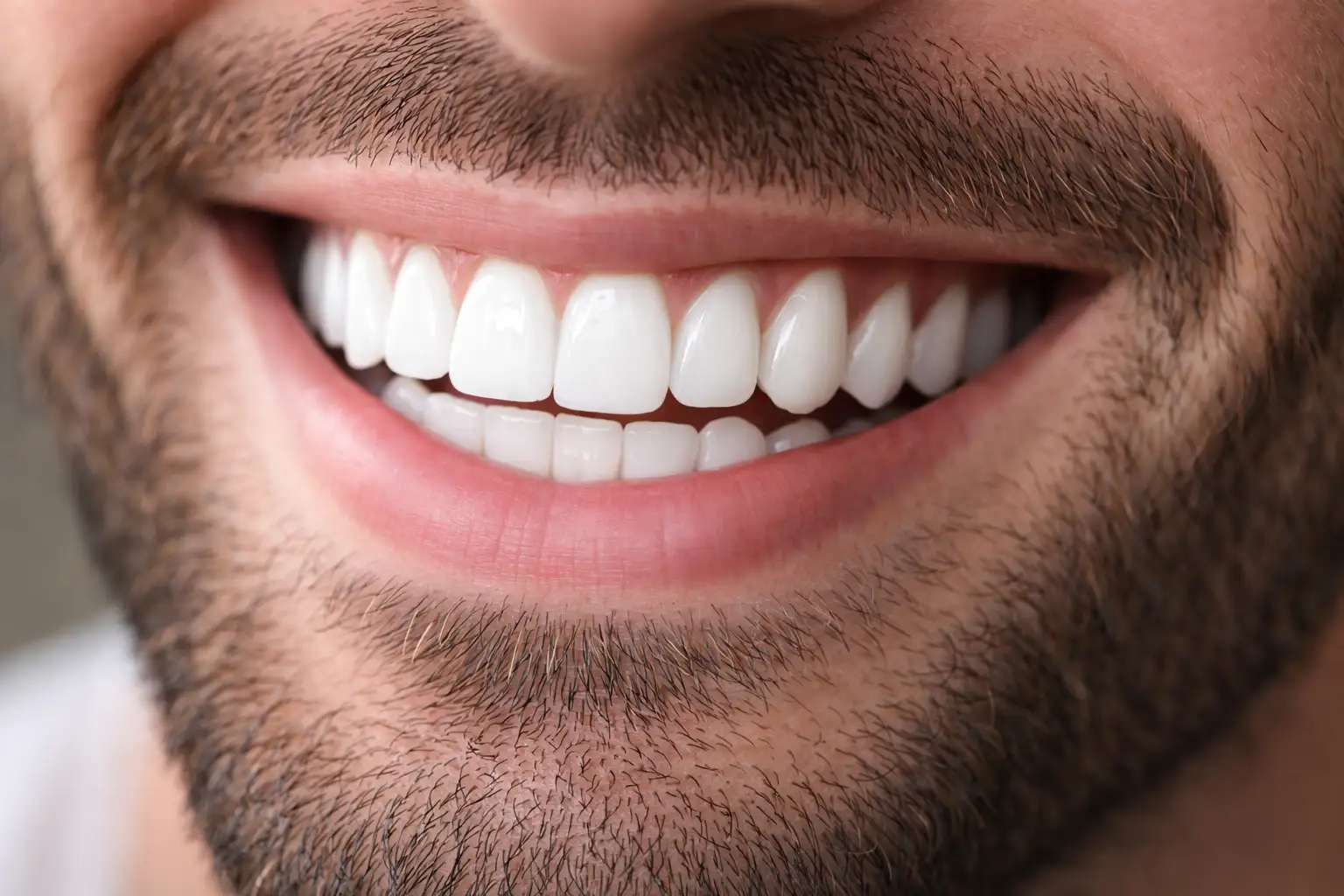
A bright smile is often associated with confidence, health, and youth. Yet over time, teeth naturally lose their brightness due to daily habits, aging, and lifestyle factors. This is why teeth whitening methods have become one of the most requested cosmetic dental solutions worldwide.
If you have ever wondered which whitening option is safest, most effective, or best suited to your needs, you are not alone. The variety of products and treatments available can feel overwhelming.
In this comprehensive guide, we explore all major whitening methods, explain how they work, and provide practical advice to help you make informed decisions. Whether you are considering professional care or at home options, this article will help you understand what truly works and why.
If you are looking for guidance tailored to your smile, you can also consult the expert dentists in Pendik for professional assessment and personalized treatment planning.
What Causes Tooth Discoloration?
Before choosing between different methods, it is important to understand why teeth become discolored in the first place.
Tooth staining generally falls into two main categories,
- Extrinsic Stains
- Intrinsic Stains
Extrinsic Stains
These stains affect the outer surface of the enamel.
They are usually caused by coffee, tea, red wine, colored foods, and smoking. Poor oral hygiene can also allow plaque buildup, which makes teeth appear yellow.
Extrinsic stains are typically easier to treat with whitening procedures.
Intrinsic Stains
Intrinsic stains occur within the inner layer of the tooth.
They may develop due to aging, certain medications, trauma to the tooth, or excessive fluoride exposure during childhood. These stains can be more resistant and may require professional whitening methods for noticeable improvement.
Understanding the type of discoloration you have helps determine which whitening approach will deliver the best results.
How Do These Methods Work?
Most whitening techniques rely on bleaching agents such as hydrogen peroxide or carbamide peroxide.
These ingredients break down stain molecules inside the tooth structure. The whitening gel penetrates the enamel and reacts with the discolored compounds, making them less visible. As a result, the teeth appear brighter and whiter.
Professional treatments use carefully controlled concentrations to ensure safety and effectiveness. At home products typically contain lower concentrations and may take longer to show results.
Professional Teeth Whitening Methods
Professional teeth whitening performed under dental supervision is often considered the most reliable approach.
It offers controlled application, customized care, and predictable results.
In-Office Whitening Treatment
In-office whitening is performed at a dental clinic.
A protective barrier is placed over the gums to prevent irritation.
A whitening gel is then applied to the teeth.
Some systems use a special light to enhance the process.
The procedure usually takes about one hour.
This method is ideal for patients seeking noticeable results in a single visit.
It is also beneficial for individuals with moderate to severe staining.
For those interested in professional care, you can learn more about teeth whitening in Pendik to explore best treatment options designed to match your dental needs.
Dentist Supervised Take Home Trays
This method combines professional guidance with at home convenience.
Your dentist creates custom fitted trays based on impressions of your teeth.
You apply a prescribed whitening gel into the trays and wear them for a specific period each day.
Because the trays are customized, they ensure even coverage and reduce gum irritation.
Results typically appear gradually over one to two weeks.
This method is suitable for patients who prefer a flexible schedule but still want professional supervision.
Internal Whitening for Non-Vital Teeth
When a tooth becomes discolored after root canal treatment, internal whitening may be recommended.
In this procedure, whitening material is placed inside the tooth. The goal is to lighten discoloration from within.
This method is performed only under dental supervision and is effective for specific cases.
At Home Teeth Whitening Methods
At home whitening solutions are widely available and convenient.
However, results vary depending on the product and consistency of use.
Whitening Strips
Whitening strips are thin plastic strips coated with a peroxide-based gel.
They are placed directly onto the teeth for a set period each day.
Strips are easy to use and accessible.
However, because they are not customized, they may not cover all tooth surfaces evenly.
They are generally effective for mild to moderate staining.
Whitening Toothpaste
Whitening toothpaste contains mild abrasives that help remove surface stains.
Some formulas also include small amounts of polishing agents.
While helpful for maintaining brightness, toothpaste alone does not significantly change natural tooth color.
It is best used as part of a maintenance routine rather than a primary whitening method.
Whitening Gels and Pens
These products allow users to apply whitening gel directly onto the teeth.
They are convenient for targeted application.
Results may take longer compared to professional treatments.
Consistency is key when using these products.
Natural Remedies
Home remedies such as baking soda or activated charcoal are often promoted online.
While some may remove surface stains, excessive or improper use can damage enamel.
It is important to consult a dental professional before trying alternative approaches.
Maintaining enamel health is more important than achieving temporary brightness.
Comparing Teeth Whitening Methods
Choosing between different whitening methods depends on your goals, lifestyle, and oral health condition.
Here is a simplified comparison to help guide your decision.
Speed of Results
In-office treatments typically provide the fastest results.
Take-home trays and strips require consistent use over days or weeks.
Whitening toothpaste delivers gradual surface improvement.
Level of Whitening
Professional treatments generally achieve more noticeable shade changes.
At home products may provide moderate improvement.
Results depend on the original tooth shade and type of stains.
Safety and Supervision
Professional care ensures gum protection and proper monitoring.
At-home options are safe when used as directed but may cause temporary sensitivity if overused.
Consultation with a dentist reduces the risk of complications.
Is Teeth Whitening Safe?
Teeth whitening is considered safe when performed correctly.
Temporary tooth sensitivity is the most common side effect.
Some individuals may experience mild gum irritation.
These effects typically resolve within a few days.
Patients with untreated cavities, gum disease, or enamel erosion should address those conditions before whitening.
A dental evaluation helps determine whether you are a suitable candidate.
Who Should Avoid Teeth Whitening?
Certain groups may need to postpone or avoid whitening procedures.
Pregnant or breastfeeding individuals should consult their healthcare provider.
Children and teenagers with developing teeth are generally advised to wait.
Patients with dental restorations such as crowns or veneers should know that these materials do not respond to bleaching agents.
A dentist can recommend alternative cosmetic solutions if necessary.
How Long Do Whitening Results Last?
The longevity of whitening results varies from person to person.
Diet, oral hygiene habits, and smoking all influence how long teeth remain bright.
With proper care, results may last several months to a few years.
Maintenance Tips for Long-Lasting Results
Brush twice daily with fluoride toothpaste.
Floss regularly to prevent plaque buildup.
Limit staining beverages, or rinse with water after consuming them.
Schedule routine dental cleanings.
Touch-up treatments under professional guidance can help maintain brightness safely.
Practical Takeaways Before Choosing a Whitening Method
If you are unsure which option is right for you, consider these practical steps.
First, identify your main goal. Are you preparing for a special occasion or seeking gradual improvement.
Second, consider your sensitivity level.
Third, schedule a dental checkup to ensure your teeth and gums are healthy.
Professional guidance provides clarity and reduces uncertainty.
Selecting the right approach is about balancing safety, effectiveness, and personal comfort.
Frequently Asked Questions About Teeth Whitening Methods
Does whitening damage enamel?
When performed correctly under supervision or according to instructions, whitening does not permanently damage enamel.
Overuse or misuse can increase sensitivity, which is why professional advice is important.
Can whitening remove deep stains?
Professional treatments are more effective for intrinsic stains.
However, extremely deep discoloration may require alternative cosmetic solutions such as veneers.
How many shades whiter can teeth become?
The degree of whitening varies depending on the original shade and chosen method.
A dentist can provide realistic expectations during consultation.
Can crowns and fillings be whitened?
No. Dental restorations do not respond to bleaching agents.
Your dentist may suggest replacement options if shade matching is needed.
Building a Healthy Foundation Before Whitening
Whitening works best on clean and healthy teeth.
Professional cleaning removes plaque and tartar that may block whitening agents.
Addressing cavities and gum issues first ensures better results.
A comprehensive approach improves both appearance and oral health.
Teeth whitening should complement a complete dental care routine rather than replace it.
Conclusion
Teeth whitening methods offer effective solutions for individuals seeking a brighter smile. From professional in-office treatments to carefully selected at-home options, there is a method suited for nearly every lifestyle and need.
Understanding the cause of discoloration, evaluating safety considerations, and consulting a dental professional are essential steps in achieving satisfying results.
A brighter smile begins with informed decisions and consistent oral care. By choosing the right whitening method and maintaining healthy habits, you can enhance both your confidence and long-term dental well-being.