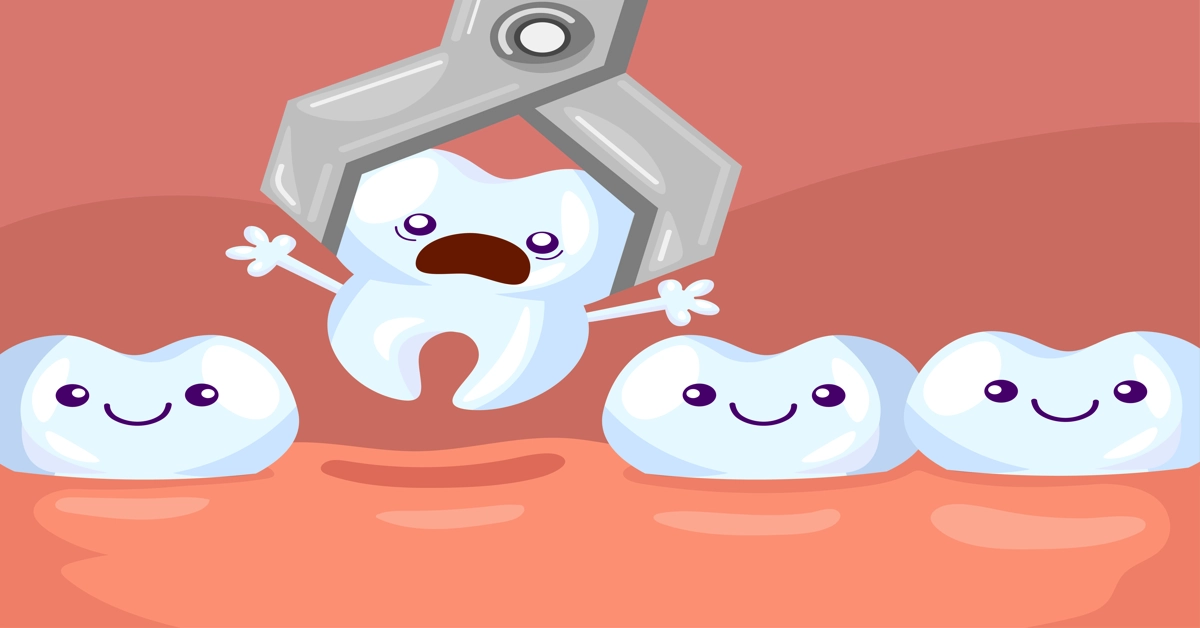
Having a tooth removed can feel stressful, especially if you are unsure what to expect during recovery.
One of the most common questions patients ask is when to stop using gauze after tooth extraction. Although gauze seems like a small detail, it plays a major role in proper healing.
Knowing how long to use gauze, when it is safe to stop, and what warning signs to watch for can help prevent discomfort and complications.
This guide explains everything in a clear and easy to understand way so you can recover with confidence.
If you are planning dental treatment or already recovering, getting advice from the best dentist in pendik can make a noticeable difference in your healing experience.
Why Gauze Is Used After Tooth Extraction
After a tooth is removed, the body immediately begins repairing the area. Gauze is placed over the extraction site to support this early healing stage.
How Gauze Helps Control Bleeding
Bleeding after a tooth extraction is completely normal. Gauze absorbs blood and applies gentle pressure to the wound.
This pressure slows bleeding and allows the body to form a stable blood clot inside the empty socket.
Protecting the Blood Clot
The blood clot acts as a natural protective layer over the bone and nerves.
Gauze helps shield this clot during the first hour when it is most vulnerable. A healthy clot is essential for smooth healing.
When to Stop Using Gauze After Tooth Extraction
This exact timing varies slightly from person to person, but there are general guidelines that apply to most patients.
Typical Timeframe for Gauze Use
In most cases, gauze is only needed for the first 30 to 60 minutes after tooth extraction.
If light bleeding continues, you may need to replace the gauze every 30 to 45 minutes for a few early hours.
You can stop using gauze once bleeding has slowed significantly and no longer requires pressure.
Signs You Can Safely Stop Using Gauze
You can usually stop using gauze when:
- Bleeding has mostly stopped
- Saliva appears light pink instead of red
- No fresh blood pools in the mouth
- The area feels comfortable without pressure
At this stage, continuing to use gauze is unnecessary and may disturb the clot.
How Long Is Bleeding Normal After Tooth Extraction
Understanding what is normal helps you avoid unnecessary worry.
Normal Bleeding Timeline
Mild bleeding or oozing can last up to 24 hours after extraction.
During this time, saliva may appear slightly pink. This does not usually mean something is wrong.
Factors That Can Extend Bleeding Time
Bleeding may last longer due to:
- Complex or surgical extractions
- Impacted teeth
- Blood thinning medications
- Smoking or vaping
- Physical activity too soon after surgery
If bleeding remains heavy after several hours, professional dental advice is recommended.
What Happens If You Stop Using Gauze Too Early
Removing gauze before bleeding is controlled can cause problems.
Risk of Dry Socket
Dry socket occurs when the blood clot becomes dislodged too soon.
This can expose bone and nerves, leading to significant pain and delayed healing.
Delayed Healing and Continued Bleeding
Without enough pressure early on, bleeding may restart.
This can slow healing and increase discomfort.
How to Properly Use Gauze After Tooth Extraction
Correct technique matters as much as timing.
How to Bite Down on Gauze
Place clean gauze directly over the extraction site.
Bite down firmly but gently to apply steady pressure.
Avoid chewing or talking excessively while the gauze is in place.
How Often to Change the Gauze
Change the gauze every 30 to 45 minutes if bleeding continues.
Always wash your hands before handling gauze.
Common Gauze Mistakes to Avoid
Sleeping with gauze in your mouth
Chewing on gauze
Removing gauze too frequently
Rinsing forcefully while gauze is in place
These actions can disrupt clot formation.
When You May Need to Use Gauze Longer Than Normal
Some situations require extended care.
Surgical or Complicated Extractions
Wisdom tooth or surgical extractions may cause bleeding for a longer time.
Using gauze for several hours may be necessary.
Medical Conditions and Medications
Patients on blood thinners or with clotting conditions may bleed longer.
Always follow personalized instructions from your dentist.
What to Do If Bleeding Continues After Gauze Removal
Ongoing bleeding should not be ignored.
Steps You Can Take at Home
- Sit upright and stay calm
- Apply fresh gauze with firm pressure
- Avoid spitting or rinsing
- Use a damp tea bag if advised
When to Contact a Dentist
Contact your dentist if bleeding:
Does not slow after several hours
Soaks through gauze quickly
Is accompanied by severe pain or swelling
For detailed professional guidance, you can learn more about Tooth extraction at airportdent.
Aftercare Tips Once You Stop Using Gauze
Proper aftercare supports faster recovery.
Eating and Drinking Safely
Choose soft foods for the first 24 hours.
Avoid hot drinks, alcohol, and straws.
Oral Hygiene After Extraction
Avoid brushing the extraction site for the first day.
Gently rinse with salt water after 24 hours if advised.
Activities to Avoid
Smoking for at least 72 hours
Heavy exercise for a few days
Touching the extraction site
Frequently Asked Questions
Can I Sleep Without Gauze After Tooth Extraction
Yes. Once bleeding has stopped, gauze should be removed before sleeping.
Is Light Bleeding the Next Day Normal
Yes. Mild oozing within the first 24 hours is common.
How Do I Know If the Blood Clot Is Stable
A stable clot usually means no active bleeding and decreasing discomfort.
Conclusion
Knowing when to stop using gauze after tooth extraction helps ensure safe and comfortable healing. For most people, gauze is only needed during the first hour or two until bleeding is controlled.By following proper aftercare instructions and seeking professional help when needed, recovery can be smooth and stress free.