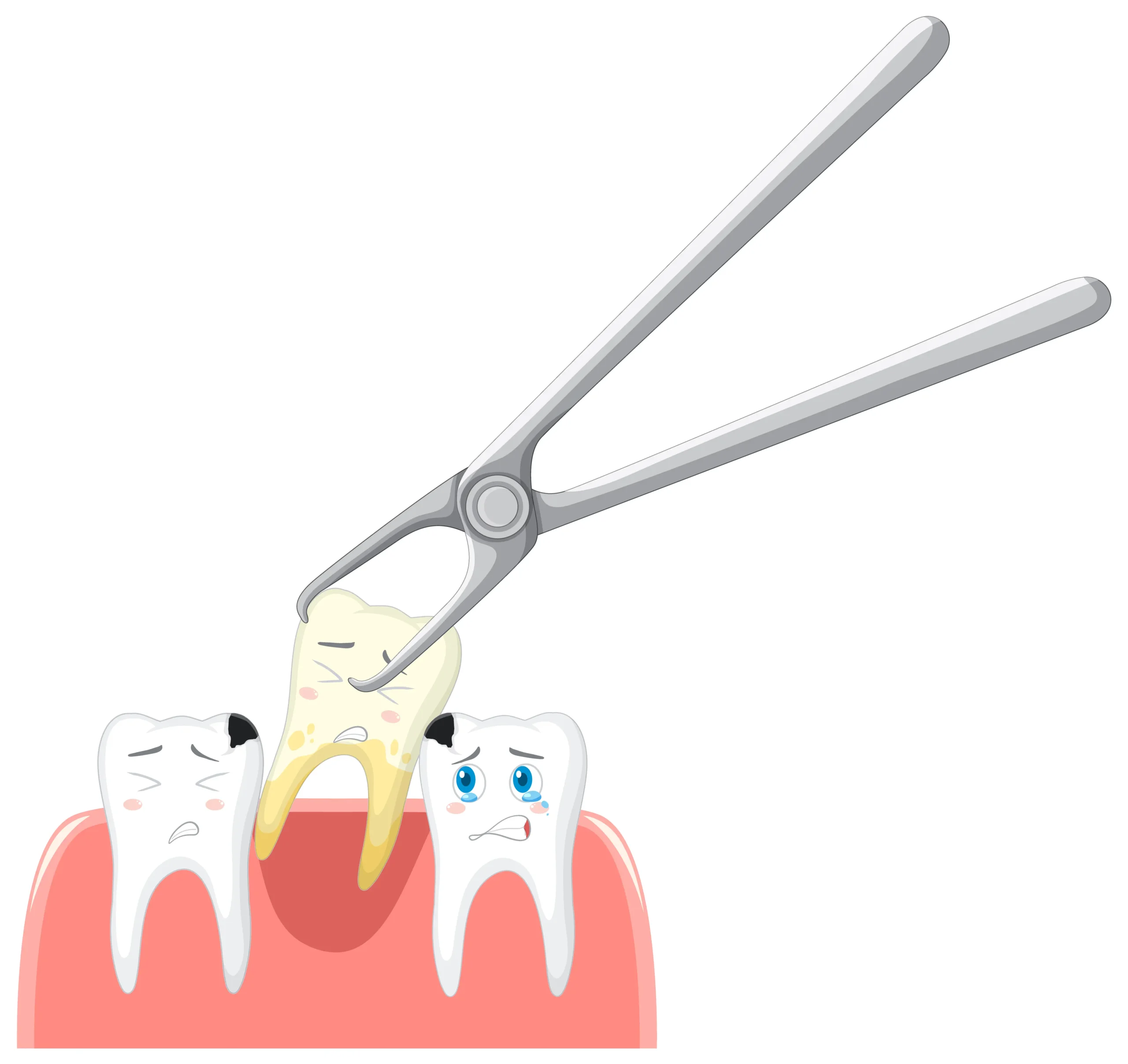
Having a tooth removed can feel stressful, especially when you are unsure about what you can and cannot do afterward. One of the most common questions patients ask is can you drink water after tooth extraction?
This concern is completely understandable. Drinking water is part of daily life, and staying hydrated is important for overall health and healing.
However, the way and timing of drinking water after a tooth extraction can make a real difference in how well your mouth heals.
If you recently had or are planning a Tooth extraction, this article will help you feel confident about caring for your mouth during recovery.
Can you drink water after tooth extraction immediately?
Yes, you can drink water after tooth extraction, but timing and technique matter.
In most cases, dentists allow patients to drink small sips of plain water shortly after the procedure.
This is usually safe once the numbness starts to wear off and you can control swallowing properly.
However, you should avoid drinking anything for the first 30 to 60 minutes after the extraction.
During this time, a blood clot needs to form in the empty socket. This clot is essential for healing and protecting the bone and nerves underneath.
Why drinking water carefully matters after extraction
After a tooth is removed, your body immediately starts the healing process. A blood clot forms in the socket, acting as a natural bandage.
If this clot is lost or damaged, the extraction site becomes exposed. This can lead to a painful condition known as dry socket, which slows healing and causes discomfort.
Drinking water the wrong way, especially by using a straw or swishing aggressively, can create suction in the mouth. That suction can pull the clot out of place.
This is why dentists emphasize proper aftercare during the first few days.
How to drink water safely after tooth extraction
Drinking water safely is not complicated, but it does require attention.
Take small sips instead of large gulps. Let the water flow gently into your mouth.
Avoid tilting your head too far back. Keeping your head upright reduces pressure in the mouth.
Do not rinse, swish, or spit forcefully after drinking. Simply swallow normally.
If possible, drink from the opposite side of the extraction site. This helps keep the area undisturbed.
Following these simple steps can significantly reduce the risk of complications.
Can cold or warm water be consumed after tooth extraction
Plain water at room temperature is usually the best choice after tooth extraction.
How long should you avoid using a straw
Using a straw is one of the most common causes of dry socket.
You should avoid using a straw for at least 5 to 7 days after tooth extraction. In some cases, especially after wisdom tooth removal, your dentist may recommend avoiding straws for a longer period.
The suction created by a straw can easily dislodge the blood clot, even if you feel minimal pressure.
It is best to drink directly from a cup during the early healing phase.
Signs you may have disturbed the extraction site
Sometimes, despite careful aftercare, problems can occur.
Watch for increased pain a few days after extraction rather than gradual improvement.
A bad taste or unpleasant smell coming from the extraction site can also be a warning sign.
Visible bone or an empty looking socket may indicate that the blood clot has been lost.
If you notice any of these symptoms, contact your dentist promptly for guidance and treatment.
Staying hydrated without harming healing
Hydration plays an important role in recovery. Drinking enough water helps your body heal and supports overall health.
Sip water regularly throughout the day instead of drinking large amounts at once.
Avoid sugary, acidic, or carbonated drinks during the early healing phase. These can irritate the extraction site.
Plain water remains the safest and most recommended option.
When normal drinking habits can resume
Most patients can return to normal drinking habits within a few days.
By day three to five, the extraction site is usually more stable, and the risk of clot disruption decreases.
Even then, continue to be gentle and avoid habits that create suction until your dentist confirms full healing.
For complex extractions or surgical removals, recovery may take longer, and personalized instructions should always be followed.
If you are unsure about your healing progress, consulting the best dentist in pendik can provide reassurance and proper follow up care.
Conclusion
So, can you drink water after tooth extraction? Yes, you can, and you should, but only in a careful and controlled way.
Waiting a short time after the procedure, sipping gently, and avoiding straws are key steps in protecting the healing site.
Water supports recovery, but improper drinking habits can lead to discomfort and complications.
By following the guidance outlined in this article, you can stay hydrated while giving your mouth the best chance to heal properly.
If you ever feel unsure about what is safe after an extraction, do not hesitate to seek professional advice.
Proper aftercare makes a meaningful difference in comfort, healing speed, and long term oral health.