
A dental filling is a treatment used to restore a tooth that has been damaged by decay or minor fractures. The filling material replaces the part of the tooth that was removed, protecting it from further damage and restoring normal chewing function. Think of a dental filling as a way of sealing the gap created by decay.
Article List
Toggle
If left untreated, cavities can expand, leading to infections, pain, or even tooth loss. Fillings stop this progression by repairing the tooth early on. Modern dental fillings are designed to blend naturally with your teeth, making them both functional and aesthetically pleasing. They are also durable, allowing you to eat and speak comfortably without worry.
The process of getting a dental filling is straightforward and usually completed in one visit. Here’s what typically happens:
Examination: The dentist examines the tooth, often using X-rays to check the extent of decay.
Numbing: Local anesthesia is applied to numb the area, ensuring the patient feels little to no discomfort.
Removal of Decay: The dentist carefully removes the decayed or damaged part of the tooth using specialized tools.
Cleaning: The cavity is cleaned to eliminate bacteria and debris, reducing the risk of infection.
Filling Placement: The chosen filling material is applied in layers, then shaped to fit the tooth’s natural contour.
Hardening: For certain materials, a special light is used to harden the filling.
Polishing and Adjustment: The filling is smoothed and adjusted to ensure a comfortable bite.
The entire process is usually quick, and patients can resume normal activities shortly after the procedure.
A healthy smile is one of the most important parts of overall well-being. When teeth are damaged by decay, wear, or small fractures, dental fillings play a vital role in restoring both function and appearance.
For many people, the term “dental filling” may sound scary, but the procedure is one of the most common and effective treatments in dentistry.
In this guide, you’ll learn what dental fillings are, how they are done, the types available, and what to expect after the procedure.
Whether you’re considering treatment or simply curious about the process, this article will give you clear, practical information to feel more confident about your dental care.
There are several types of dental fillings, each with unique benefits. Choosing the right one depends on the tooth’s location, the size of the cavity, and personal preferences.
Composite Fillings: Made of resin, these are tooth-colored and blend seamlessly with natural teeth. They are ideal for visible areas such as front teeth.
Amalgam Fillings: A mix of metals including silver, mercury, and tin. They are very durable and often used for molars.
Ceramic Fillings: Typically made from porcelain, these fillings are strong and resistant to staining. They are more expensive but provide excellent aesthetics.
Glass Ionomer Fillings: Release fluoride to help protect the tooth, often used for children or fillings below the gum line.
Gold Fillings: Less common today, but very durable. They require more than one visit and are noticeable due to their color.
Dentists recommend the type based on the tooth’s function and aesthetic needs. For example, molars may need stronger materials, while front teeth benefit from natural-looking composites.
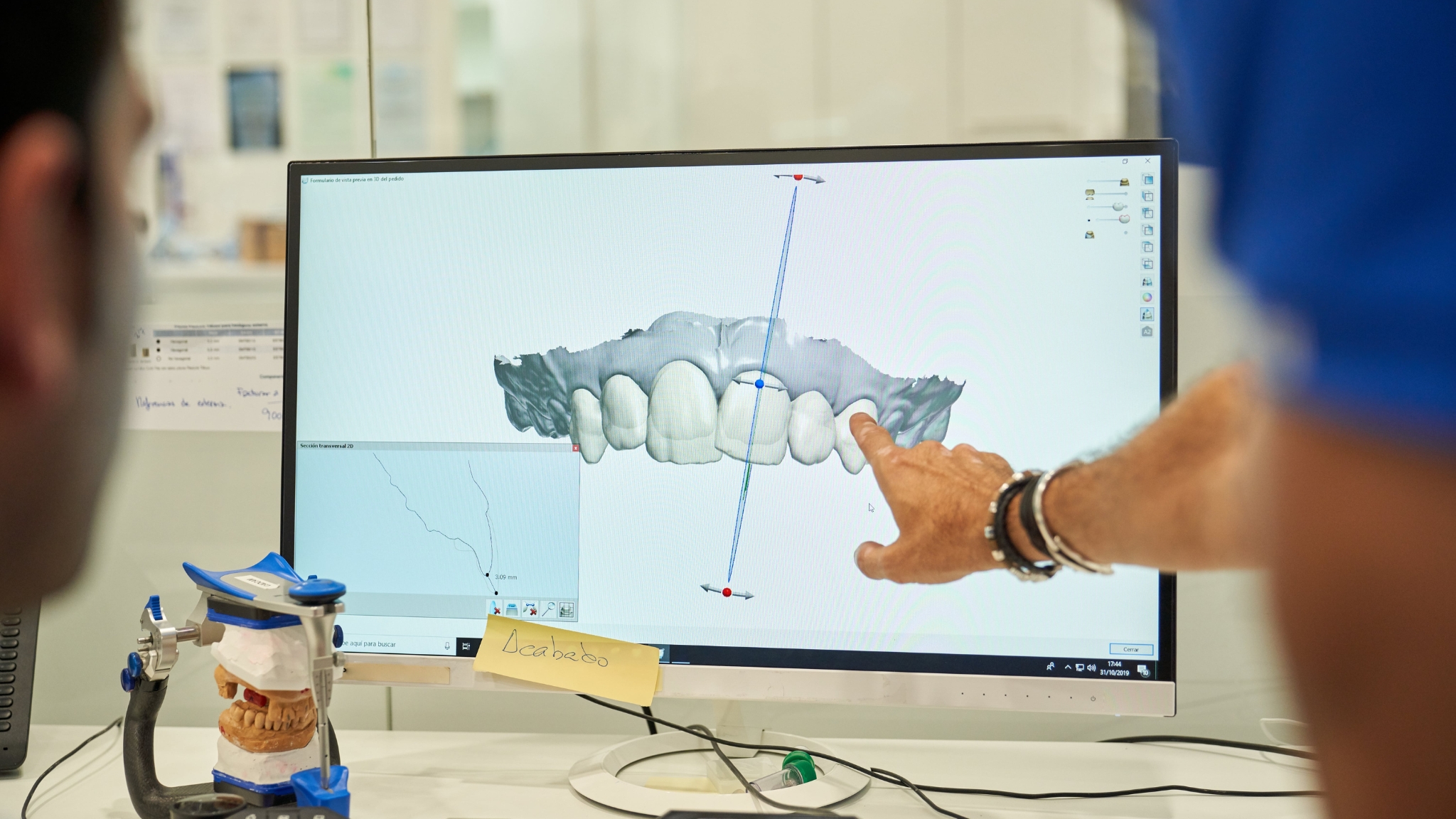
The cost of dental fillings varies depending on the type of material used, the size of the cavity, and the clinic’s location.
You can get a quote by contacting Airport Dent.
Dental fillings are an investment in long-term oral health. Without treatment, cavities can progress into more complicated problems that require advanced procedures.
If you’re considering a filling, consult a trusted dental professional such as a Pendik Dentist for guidance on the most suitable material and treatment plan.
One of the most common concerns patients have is whether dental fillings are painful. The good news is that modern dentistry prioritizes patient comfort.
Local anesthesia ensures the area is numb during the procedure.
Most patients only feel pressure or vibration but no actual pain.
After the filling, some may experience mild sensitivity to hot, cold, or pressure. This sensitivity usually goes away within a few days.
If discomfort persists, it’s important to contact your dentist. Adjustments may be needed to ensure the filling fits perfectly.
A filling on a front tooth requires both precision and aesthetics. Since front teeth are visible when you smile or speak, the filling must blend in naturally.
Dentists usually recommend composite fillings for front teeth because they match the natural color of enamel.
The procedure is similar to fillings on back teeth, but extra care is taken to shape and polish the filling so it looks seamless.
A well-done front tooth filling restores not only function but also confidence in your smile.
With advancements in dental materials, most people won’t even notice you’ve had a filling done.

Taking care of your teeth after a filling helps ensure the restoration lasts longer and remains comfortable.
Here are key points to keep in mind:
Dental fillings are one of the most effective solutions for treating cavities and restoring damaged teeth.
They prevent further decay, preserve the tooth’s structure, and improve your overall oral health. From understanding what fillings are to learning about the different types and aftercare, you now have the knowledge to approach this treatment with confidence.
If you’re experiencing tooth pain, sensitivity, or suspect you may need a filling, don’t wait until the problem worsens.
Book an appointment with a trusted Pendik Dentist at Airport Dent to receive professional care tailored to your needs.
With proper care and regular check-ups, your dental fillings can last for many years, helping you maintain a healthy and confident smile.
A dental filling is used to restore teeth damaged by decay, cracks, or wear. It seals the affected area, prevents further damage, and restores the tooth’s shape and function.
The lifespan of a dental filling depends on the material and how well you care for your teeth.
Composite fillings last around 5–10 years.
Amalgam fillings can last 10–15 years.
Gold and ceramic fillings may last 15 years or more with proper care.
No, it’s generally not painful. Dentists use local anesthesia to numb the area, so you won’t feel pain during the procedure. Mild sensitivity afterward is normal and usually subsides within a few days.
Most dental fillings are completed in 30 to 60 minutes per tooth, depending on the size and complexity of the cavity.
Maintain good oral hygiene: brush twice daily, floss regularly, avoid excessive sugar, and schedule regular dental check-ups. This helps your filling last longer and keeps your mouth healthy.


Schedule a consultation to learn more.